Dinner · Part 2 of 3: Instructions
Miso Butter Halibut with Shiitake and Bok Choy Step-by-step instructions
- Prep
- Cook
- Total
- Serves
- 4
Before you start
Before you start, pat the halibut fillets dry and season them with kosher salt. Score the skin side of each fillet with shallow cuts—this helps the miso butter penetrate and creates a nice presentation. Slice the shiitake mushrooms and halve the baby bok choy lengthwise.
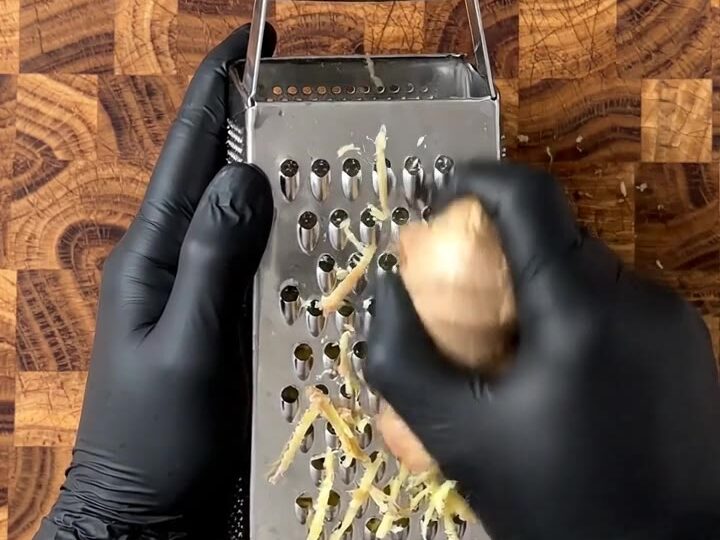
Grate the fresh ginger on a box grater. Make the miso butter by mashing the softened butter and white miso together with a fork. Have all your ingredients and equipment ready, as the cooking goes quickly once you start.
Ingredients at a glance (10)
- 4 fillets halibut (6 oz each)
- 8 oz shiitake mushrooms, sliced
- 4 heads baby bok choy, halved lengthwise
- 1 tbsp fresh ginger, grated
- 4 tbsp unsalted butter, softened
- 2 tbsp white miso paste
- 2 scallions, sliced
- 1 tbsp toasted sesame seeds
- 2 tbsp neutral oil, such as canola
- kosher salt, to taste
Instructions
Prep and Sear
- Prepare the fish and vegetablesPat the halibut fillets dry with paper towels. Score the skin side of each fillet with shallow diagonal cuts, about 1 inch apart. Season both sides with kosher salt. Slice the shiitake mushrooms and halve the baby bok choy lengthwise. Grate the ginger on a box grater into a small pile.Look for The fish is dry and scored, the mushrooms and bok choy are prepped, and the ginger is grated.Tip Scoring the fish helps the miso butter penetrate and creates attractive ridges as it cooks.
- Make the miso butterIn a small bowl, mash the softened butter and white miso paste together with a fork until thoroughly combined. Set aside at room temperature so it stays spreadable.Look for The mixture is smooth and uniform, with no streaks of miso.Tip Use a fork or spatula; the butter should be soft enough to blend easily but not melted.
The halibut fillets are scored and seasoned, the mushrooms and bok choy are sliced, and the ginger is grated. The miso butter is smooth and spreadable.
The skillet is hot, and the oil shimmers. When the fish hits the pan, it sizzles immediately. The mushrooms are golden and the fish has a golden crust that releases easily from the pan.
Flip and Finish
- Sear the halibut and mushroomsHeat a large cast iron skillet over medium-high heat and add the neutral oil. When the oil shimmers, place the halibut fillets skin-side down in the skillet. Add the sliced shiitake mushrooms around the fish. Cook without moving until the fish is golden and releases easily from the pan, about 3 to 4 minutes.Look for The fish has a golden crust and releases easily from the pan.Tip Resist the urge to move the fish too early; let it form a crust before flipping.
- Flip and add bok choyCarefully flip the halibut fillets using a fish spatula. Add the halved baby bok choy to the skillet, cut-side down, tucking them around the fish. Cook for 2 to 3 minutes, until the bok choy is bright green and slightly charred at the edges.Look for The bok choy is bright green and crisp-tender; the fish is nearly opaque.Tip If the skillet seems crowded, cook the bok choy in a single layer, working in batches if needed.
- Finish with miso butterReduce the heat to low. Add the miso butter to the skillet, letting it melt and bubble. Spoon the bubbling butter over the halibut and mushrooms continuously for about 1 minute, until the fish is just cooked through and flakes easily with a fork.Look for The butter is amber and bubbling, and the fish is opaque and beginning to flake.Safe temperature 145°F (63°C) internal temperature (fish)Tip Basting with a spoon ensures the fish absorbs the flavor without overcooking.
The fish is flipped, and the bok choy is added, turning bright green and slightly charred. The miso butter melts into a bubbling amber sauce. Spooning it over the fish creates a glossy glaze. The fish is just cooked through, flaking easily with a fork, and the mushrooms are tender and coated in the savory butter.
Garnish and Serve
- Garnish and serveRemove the skillet from the heat. Scatter the sliced scallions and toasted sesame seeds over the fish and vegetables. Lift a portion onto a plate and spoon any remaining miso butter from the pan over the top. Serve hot.Look for The fish is glistening with butter, topped with green scallions and sesame seeds.Tip Serve immediately while the butter is still bubbling and the fish is flaky.
The scallions and sesame seeds are scattered over the fish and vegetables, adding color and crunch. The butter sauce is still bubbling, and the dish looks glossy and inviting. Serve immediately, spooning extra butter over each portion. The fish is flaky, the vegetables are tender, and every bite is rich with miso and butter.
Common mistakes
One common mistake is moving the fish too soon when searing—wait until it releases easily from the pan to flip it. Overcrowding the skillet can cause the fish to steam instead of brown; if necessary, cook in batches.
Another mistake is using cold butter straight from the fridge; let it soften so it blends smoothly with the miso. Also, be careful not to overmix the miso butter, as it can become greasy. Finally, don't skip the basting step—spooning the bubbling butter over the fish ensures even flavor and moisture.
How to tell it’s done
The halibut is done when it flakes easily with a fork and the internal temperature reaches 145°F (63°C). The fish should be opaque all the way through, but still moist and tender. The mushrooms should be golden and tender, and the bok choy should be bright green and crisp-tender.
The miso butter will be bubbling and slightly thickened, coating the fish and vegetables. Don't overcook the fish, as it can become dry; check for doneness at the thickest part of the fillet.
- Fish: 145°F (63°C) in the thickest part
Up next · Part 3 of 3
4 variations · storage & make-ahead · 5 answers · printable card
Tips, FAQ & printable recipe (Part 3)← Back to the ingredients (Part 1)