Dinner · Part 1 of 3: Ingredients
Crockpot Crawfish Etouffee Fettuccine: Rich Southern Comfort
- Prep
- Cook
- Total
- Serves
- 6
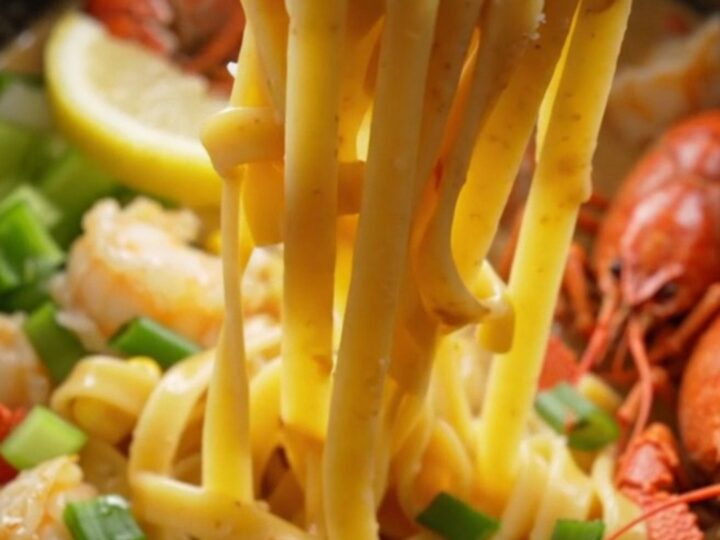
This Crockpot crawfish etouffee fettuccine is pure Southern gold — a rich, creamy pasta dish that tastes like it simmered all day on a Louisiana stove.
The slow cooker does the heavy lifting, melding butter, the holy trinity of onions, celery, and bell pepper, Creole spices, and cream cheese into a velvety sauce that coats every noodle. Tender crawfish tails add authentic bayou flavor. This is the kind of dinner that makes any weeknight feel like a special occasion.
Crawfish etouffee is a Louisiana classic, but this version takes a shortcut without sacrificing flavor. Instead of standing over a hot stove, you dump everything into a slow cooker and let it work its magic.
The result is a luscious, golden sauce infused with Creole seasoning, sweet crawfish tails, and hearty fettuccine. It's the perfect comfort food for a cold evening or a casual gathering. Serve it with crusty bread to soak up every last drop of the sauce.
Ingredients
- 1/2 cup unsalted butter
- 1 medium yellow onion, diced
- 2 stalks celery, diced
- 1 medium green bell pepper, diced
- 4 cloves garlic, minced
- 2 tbsp Creole seasoning
- 2 cups seafood stock
- 8 oz cream cheese, softened
- 1 lb Louisiana crawfish tails
- 1 cup heavy cream
- 16 oz fettuccine pasta
- 1 cup grated Parmesan cheese
- 1/4 cup sliced green onions
- 1 medium lemon, cut into wedges
Why this recipe works
The slow cooker method is the key to this recipe's success. By cooking the butter, vegetables, and cream cheese together slowly on low heat, the flavors meld and deepen, creating a sauce that tastes like it simmered for hours.
The low, gentle heat allows the cream cheese to melt into the stock without curdling, resulting in a silky, smooth texture that coats the pasta beautifully.
Adding the fettuccine directly to the slow cooker means the pasta absorbs the seasoned liquid as it cooks, infusing every strand with flavor. The crawfish tails are added toward the end, so they stay tender and juicy rather than becoming tough. This one-pot approach simplifies cleanup and delivers a restaurant-quality dish with minimal effort.
Notes and substitutions
Use a good-quality Creole seasoning for the best flavor. If you prefer less heat, use a mild blend or reduce the amount. The holy trinity of onion, celery, and bell pepper is essential for authentic Cajun flavor, so don't skip any of them.
Seafood stock adds a subtle brininess that complements the crawfish; if you don't have it, chicken broth works as a substitute.
This recipe calls for Louisiana crawfish tails, which are available frozen in many supermarkets. If you can't find them, small shrimp are a fine substitute. The fettuccine should be regular dried pasta, not fresh, as it needs the longer cooking time to soften in the slow cooker. For a richer sauce, use heavy cream; half-and-half will work but will be thinner.
- seafood stock: Chicken or vegetable broth can be used, but seafood stock adds the most authentic flavor.
- Louisiana crawfish tails: If crawfish are unavailable, use small shrimp or chopped cooked crab meat.
- fettuccine: Any long pasta like linguine or tagliatelle works well.
- heavy cream: For a lighter sauce, use half-and-half, though the sauce will be less rich.
Equipment
- 6-quart slow cooker
- Large pot for pasta
- Colander
- Cutting board
- Chef's knife
- Measuring cups and spoons
- Wooden spoon
- Tongs
Up next · Part 2 of 3
3 steps · 2 h 30 min of cooking · what to look for at each stage
Step-by-step instructions (Part 2)