Breakfast · Part 2 of 3: Instructions
Crockpot Loaded Baked Potato & Chorizo Frittata Step-by-step instructions
- Prep
- Cook
- Total
- Serves
- 8
Before you start
Before starting, roast the diced russet potatoes: toss them with a little oil, salt, and pepper, and roast at 425°F (220°C) for about 25 minutes until tender and lightly browned.
Brown the fresh chorizo in a skillet over medium-high heat, breaking it into small crumbles, and cook until no longer pink. Cook the bacon until crisp, then crumble it. Whisk the eggs, sour cream, and chives in a large bowl. Have all ingredients measured and ready before assembling the frittata.
Ingredients at a glance (10)
- 3 cups diced roasted russet potatoes
- 1 lb fresh chorizo, browned
- 6 slices bacon, cooked and crumbled
- 12 large eggs
- 1/2 cup sour cream
- 2 tbsp chopped fresh garlic chives
- 2 cups shredded sharp cheddar cheese
- Sliced scallions, for serving
- Sour cream, for serving
- Crispy bacon, for serving
Instructions
Layer and Pour
- Layer the IngredientsLightly grease the insert of a 6-quart slow cooker. Spread the diced roasted russet potatoes evenly over the bottom. Scatter the browned chorizo and crumbled bacon over the potatoes, reserving a little bacon for the top if desired.Look for The bottom of the Crockpot is covered with an even layer of potatoes, chorizo, and bacon.Safe temperature 160°F (71°C) internal temperature (ground meat)Tip Cooking the chorizo and bacon before adding ensures they are fully cooked and adds flavor.
- Whisk the Egg MixtureIn a large mixing bowl, whisk the 12 eggs until the yolks and whites are completely combined. Add the sour cream and chopped garlic chives, and whisk again until smooth. Season lightly with salt and pepper if desired.Look for The egg mixture is a uniform, pale yellow liquid with flecks of chives.Tip Whisking thoroughly helps the frittata set evenly and become fluffy.
- Pour Over the FillingPour the egg mixture over the potato, chorizo, and bacon layer in the slow cooker. Sprinkle the shredded sharp cheddar cheese evenly over the top. Use a spatula to gently press the cheese into the egg mixture so it is partially submerged.Look for The egg mixture covers the filling, with cheddar scattered across the surface.Tip Gently pressing the cheese helps it melt into the frittata as it cooks.
At the end of this phase, the slow cooker insert is filled with an even layer of potatoes, chorizo, and bacon. The egg mixture is poured over, and the cheddar is scattered on top.
The ingredients should be evenly distributed, and the egg mixture should cover the filling completely. The surface looks like a colorful casserole ready for cooking.
Slow Cook and Set
- Slow-Cook on LowCover the slow cooker with its lid. Cook on LOW for 3 hours, or until the frittata is set in the center and the edges are golden brown. Avoid opening the lid during the first 2 hours to maintain an even temperature.Look for The frittata puffs up and turns golden on top; the center is no longer jiggly.Safe temperature 160°F (71°C) internal temperature (egg dishes)Tip Cooking on low keeps the eggs tender and prevents overcooking the edges.
- Check for DonenessAfter 3 hours, insert a knife or toothpick into the center of the frittata. It should come out clean, and an instant-read thermometer inserted into the center should register at least 160°F (71°C). If not done, cover and cook for 15 to 30 more minutes.Look for A knife inserted in the center comes out clean, and the frittata is firm to the touch.Safe temperature 160°F (71°C) internal temperature (egg dishes)Tip If the edges are browning too quickly but the center is not set, turn the slow cooker to WARM for 10 minutes.
After 3 hours on low, the frittata is puffed and golden on top. The edges are slightly crispy, and the center is set. A knife inserted in the center comes out clean, and the internal temperature reads at least 160°F (71°C). The aroma of melted cheese, chorizo, and bacon fills the kitchen.
Rest and Serve
- Cool Slightly and SliceTurn off the slow cooker and let the frittata rest for 5 to 10 minutes. Run a spatula around the edges to loosen it, then slice into wedges directly in the insert or carefully lift the whole frittata out using a large spatula.Look for The frittata is set and holds its shape when sliced.Tip Resting helps the frittata firm up and makes slicing cleaner.
- Serve with ToppingsTop each wedge with a dollop of sour cream, extra crispy bacon, and sliced scallions. Serve warm.Look for The frittata is topped with cool sour cream, crispy bacon, and fresh scallions.Tip For a brighter flavor, add a pinch of black pepper over the top.
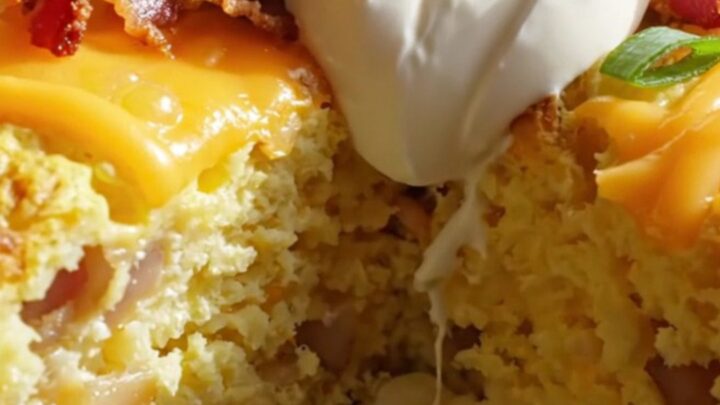
After resting for 5 to 10 minutes, the frittata has settled and is easier to slice. The wedges hold their shape, revealing layers of potato, chorizo, and cheese. Topped with sour cream, extra bacon, and scallions, each slice looks hearty and inviting.
Common mistakes
One common mistake is opening the slow cooker lid too often, which lets out heat and extends cooking time. Resist the urge to peek for the first two hours. Another pitfall is using raw chorizo without browning it first—this adds excess moisture and can make the frittata watery.
Overcooking is also a risk: if the frittata stays on low too long, it can become dry and rubbery. Stick to the 3-hour mark and check for doneness. Finally, do not overfill the slow cooker; a 6-quart size is ideal.
How to tell it’s done
The frittata is done when the center is set and no longer jiggly, the edges are golden brown, and a knife inserted into the center comes out clean. An instant-read thermometer inserted into the center should register at least 160°F (71°C) to ensure the eggs are fully cooked.
If the frittata is still wet in the middle, cover and cook for 15 to 30 more minutes, then check again. The top should be puffed and lightly browned, and the cheese should be melted and bubbly.
- Egg dishes: 160°F (71°C) in the thickest part
- Ground meat: 160°F (71°C) in the thickest part
Up next · Part 3 of 3
4 variations · storage & make-ahead · 5 answers · printable card
Tips, FAQ & printable recipe (Part 3)← Back to the ingredients (Part 1)