Dinner · Part 3 of 3: Tips & recipe card
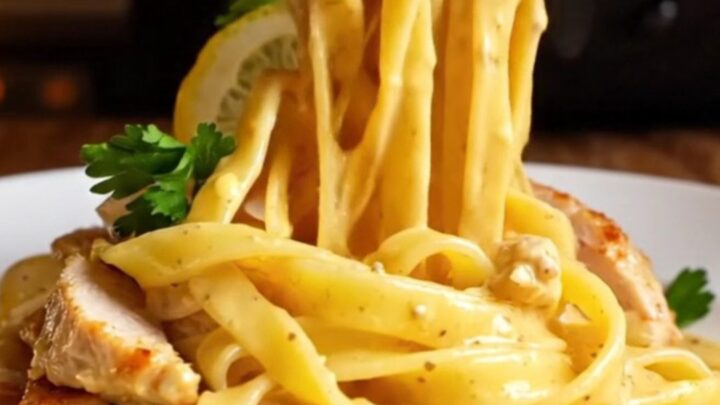
Lemon Garlic Chicken Alfredo with Smoked Paprika Tips, FAQ & printable recipe
- Prep
- Cook
- Total
- Serves
- 4
Tips for success
For the best flavor, use freshly grated parmesan and fresh lemon juice. The zest adds an extra layer of citrus that brightens the dish.
If you prefer a thinner sauce, add a splash more pasta water or cream. For a spicier kick, add a pinch of red pepper flakes with the garlic.
To keep the sauce from breaking, avoid boiling it after adding the cream. Keep the heat low and stir gently.
If the sauce thickens too much while sitting, loosen it with a splash of warm pasta water or milk. Serve immediately for the creamiest texture, as the sauce will continue to thicken as it cools.
Variations
- Add Vegetables: Stir in sautéed mushrooms, spinach, or sun-dried tomatoes with the pasta. Sauté mushrooms in the pan after the chicken, then proceed with the sauce. Add spinach at the end and let it wilt.
- Shrimp Alfredo: Replace the chicken with 1 lb of peeled shrimp. Sear the shrimp for 2 minutes per side until pink and cooked through, then remove and add back at the end. Cook to 145°F (63°C).
- Spicy Cajun Twist: Swap the smoked paprika for 1 tsp Cajun seasoning and add a pinch of cayenne with the garlic. This gives the dish a bold, spicy kick that pairs well with the creamy sauce.
- Gluten-Free Option: Use gluten-free fettuccine and substitute the all-purpose flour with an equal amount of cornstarch mixed with a little cold water to make a slurry. The sauce will still thicken nicely.
Storage and make-ahead
- Fridge
- Store in an airtight container in the refrigerator for up to 3 days. Reheat gently with a splash of milk or cream to bring back the silky texture.
- Freezer
- Freeze in a freezer-safe container for up to 2 months. Thaw overnight in the refrigerator before reheating.
- Reheat
- Reheat in a skillet over medium-low heat, adding a splash of cream or pasta water to loosen the sauce. Stir frequently until heated through.
Store leftovers in an airtight container in the refrigerator for up to 3 days. Reheat gently on the stovetop over low heat, adding a splash of milk or cream to loosen the sauce.
The pasta will absorb some sauce, so you may need to add a little liquid to restore the creamy texture.
The chicken can be seasoned and seared up to a day ahead. Store it in the refrigerator and slice just before using. The sauce can also be made a day ahead, but it will thicken; reheat it with a splash of cream or pasta water.
Cook the pasta fresh for best texture, though you can boil it a day ahead and toss with a little oil to prevent sticking.
Serving ideas
Serve this lemon garlic chicken Alfredo hot, straight from the skillet, with extra parmesan on the side. A sprinkle of fresh parsley and a few lemon wheels make the dish look vibrant. Pair it with a crisp green salad and crusty bread for a complete meal.
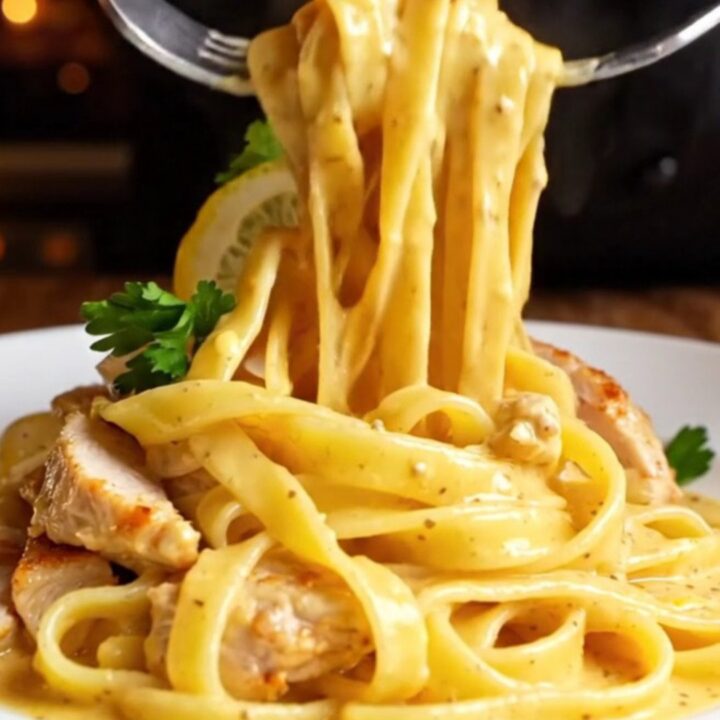
For a more elegant presentation, twirl the fettuccine into neat nests using tongs, then top with sliced chicken and a spoonful of extra sauce. A glass of dry white wine, such as Sauvignon Blanc or Pinot Grigio, complements the citrus and garlic notes beautifully.
Frequently asked questions
Can this dish be made ahead of time?
Why does the sauce split or become grainy?
Can this recipe be made without heavy cream?
What can be used instead of fettuccine?
Is smoked paprika necessary, or can it be substituted?
Lemon Garlic Chicken Alfredo with Smoked Paprika
Ingredients
- 1 lb chicken breast cutlets
- 1 tsp smoked paprika
- 1 tsp garlic powder
- 1/2 tsp black pepper
- Salt, to taste
- 1 tbsp olive oil
- 2 tbsp olive oil, for searing
- 5 tbsp unsalted butter
- 1 1/2 tbsp all-purpose flour
- 2 tbsp minced fresh garlic
- 2 tbsp fresh lemon juice
- 1 1/2 cups unsweetened heavy cream
- 1/2 cup reserved starchy pasta water
- 1 cup freshly grated parmesan cheese
- Lemon zest, from 1 lemon, to taste
- 250 g boiled fettuccine pasta
- Chopped fresh parsley, for garnish, to taste
- Fresh lemon wheels, for garnish, to taste
Instructions
- Pat the chicken breast cutlets dry with paper towels. In a small bowl, combine the smoked paprika, garlic powder, black pepper, and salt. Rub the spice mixture all over both sides of the chicken, then drizzle with 1 tbsp olive oil and massage it in. Heat 2 tbsp olive oil in a large skillet over medium-high heat. When the oil shimmers, add the chicken in a single layer. Sear for 3 minutes per side, until golden brown and charred in spots, and the internal temperature reaches 165°F (74°C).
- Once the chicken has rested, slice it into thin strips against the grain. Set aside. The chicken should be juicy and cooked through, with no pink in the center.
- In the same skillet, reduce the heat to medium. Add the butter and let it melt, scraping up any browned bits from the bottom of the pan. Whisk in the flour and cook for 1 minute, stirring constantly, until the mixture is bubbly and golden. Add the minced garlic and cook for 30 seconds until fragrant. Pour in the lemon juice and whisk to combine, then slowly whisk in the heavy cream and reserved pasta water.
- Reduce the heat to low. Add the grated parmesan cheese in small handfuls, whisking after each addition until fully melted and smooth. Stir in the lemon zest. Taste the sauce and adjust the seasoning with salt and pepper if needed. The sauce should be velvety and coat the back of a spoon.
- Add the boiled fettuccine and sliced chicken to the skillet. Use tongs to toss everything together, coating the pasta and chicken evenly with the sauce. Cook for 1–2 minutes, tossing gently, until the pasta absorbs some of the sauce and everything is heated through.
- Remove the skillet from the heat. Garnish with chopped parsley and fresh lemon wheels. Serve immediately, twirling the creamy fettuccine onto plates or into bowls. Make sure the chicken is piping hot throughout.
Estimated nutrition per serving
- Calories
- 680
- Protein
- 38 g
- Carbohydrates
- 38 g
- Fat
- 42 g
Next recipe
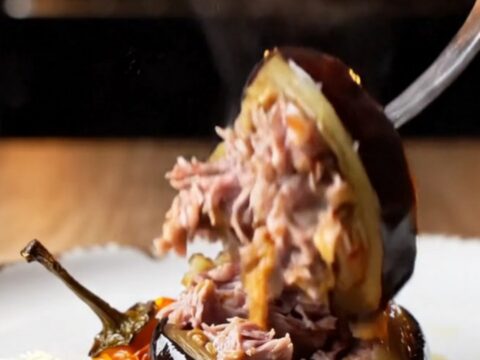
Baked Eggplant and Meatball Kebab: One-Pan Turkish Dinner
See the recipe → →This recipe is based on a short cooking video and is published under the pen name Clara Weller. It was checked before publication, but errors can slip through. Nutrition, when shown, is an estimate. Read more in our editorial policy and on our food safety page.
More recipes to try
One-Pan Whole Vegetable Tomato Tagliatelle Pasta
Total time: 35 min
One-Pan Eggplant & Tomato Orzo Risotto
Total time: 35 min
Classic Fettuccine Alfredo: Silky Garlic Parmesan Pasta in 25 Minutes
Total time: 25 min
Creamy Chicken Melt on Sourdough
Total time: 35 min
Crispy Chicken Caesar Smash Tacos Ready in 30 Minutes
Total time: 30 min