Breakfast · Part 2 of 3: Instructions
Lemon Blackberry Danish with Ricotta and Lemon Curd Step-by-step instructions
- Prep
- Cook
- Total
- Serves
- 8
Before you start
Gather all the ingredients and tools before you start, so the pastry stays cold while you work. Thaw the puff pastry in the refrigerator until it is cool and pliable but still firm, then set it on a lightly floured board. Preheat the oven to 400°F (200°C) and line a sheet pan with parchment paper.
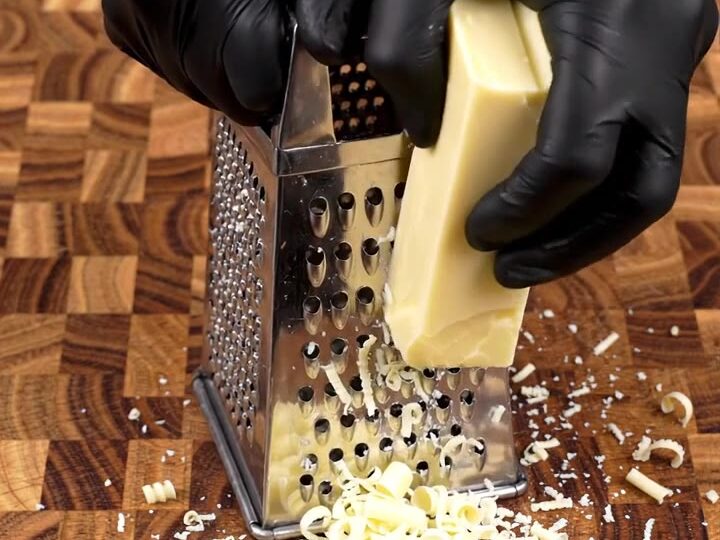
Slice the lemons thinly and zest them, then grate the cold butter over a box grater and keep the shavings chilled. Drain the ricotta if it looks loose, and bring the lemon curd to room temperature so it spoons easily. Wash and dry the blackberries and set them out for topping. Having the filling ready on the counter lets you move quickly from cutting to baking, which keeps the pastry cold and flaky.
Ingredients at a glance (10)
- 2 yellow lemons, thinly sliced and zested
- 1 cup fresh blackberries
- 2 tbsp cold unsalted butter, grated on a box grater
- 1 sheet store-bought or made ahead puff pastry, thawed
- 1 cup whole-milk ricotta cheese
- 1/2 cup store-bought or made ahead lemon curd
- 1 cup confectioners' sugar, for the glaze
- 2 tbsp whole milk, for the glaze
- granulated sugar for dusting, to taste
- 1 egg beaten with 1 tbsp water, for brushing
Instructions
Chilled, cut and arranged
- Prepare the lemons and butterSlice the yellow lemons thinly on a wooden board and zest them. Grate the cold butter over a box grater so it falls in fine curls, then gather the shavings into a small pile and keep them in the refrigerator until needed.Look for Lemon slices are thin and the butter curls are fine, pale and firm.Tip Chill the grated butter while you work so the shavings stay cold and separate.
- Cut and arrange the pastryUnroll the thawed puff pastry on a lightly floured board and cut it into even squares. Arrange the squares in rows on a parchment-lined sheet pan, leaving space between them so they can puff.Look for Squares are even, cold and evenly spaced in neat rows.Tip Keep the pastry cold; if it softens, chill the tray for 10 minutes before baking.
At the end of this phase the pastry squares should look cool, neat and evenly spaced in rows on the parchment-lined sheet pan. The edges should be crisp and not sticky, and the butter shavings should still be firm. If the pastry feels soft or warm, slide the tray into the refrigerator for about 10 minutes before adding any filling.
Check that every square has room around it so the edges can rise without touching neighboring danishes. Also confirm the ricotta is thick and the lemon curd is smooth and spoonable, since these determine how the finished danishes look and taste once baked and glazed.
Filled and ready to bake
- Add the ricotta and lemon curdSpoon a portion of ricotta onto the center of each pastry square and press it gently into the middle. Top the ricotta with a dollop of lemon curd, then tuck a few blackberries alongside each danish.Look for Ricotta sits in a neat mound with a bright yellow dollop of curd on top.Tip Keep a border of pastry clear of filling so the edges can rise and turn golden.
- Bake until puffed and goldenBrush the exposed pastry edges with the egg wash. Heat the oven to 400°F (200°C) and bake for 18 to 20 minutes, until the edges are deep golden, the pastry is puffed and crisp, and the filling is set.Look for Edges are deep golden, flaky and clearly puffed.Tip Rotate the sheet pan halfway through baking for even color.
At the end of this phase each square should carry a neat mound of ricotta pressed into the center, topped with a bright dollop of lemon curd and a few blackberries alongside. The outer border of pastry should be clear of filling and brushed with egg wash for color. Look at the surface of the filling: it should be firm and tidy, not spread into the pastry edges. Check that the sheet pan is level and that the danishes are spaced apart. If the filling is too loose, the pastry may bake soggy, so use a spoon to lift off any excess before going to the oven.
Baked, glazed and plated
- Glaze and finish the danishesWhisk the confectioners' sugar with the whole milk until smooth and glossy. Let the danishes cool for 10 minutes, then brush or drizzle the glaze over the tops, dust lightly with granulated sugar, and sprinkle with pastry crumbs.Look for Glaze is smooth, pourable and glossy without lumps.Tip Glaze slightly warm danishes so the glaze sets thin and shiny.
- Plate and serveTransfer the danishes to a wooden board and arrange extra blackberries alongside for color and a tart berry bite. Serve while the pastry is still crisp.Look for Pastry is crisp, glaze is set and berries add bright color.Tip Serve the same day for the crispest pastry.
At the end of this phase the danishes should be puffed, deep golden at the edges and crisp when tapped gently. The filling should look set and glossy, not wet. Once the glaze is spread over the tops and dusted with sugar and crumbs, the surface should look shiny and even. Before serving, check that the pastry has cooled enough to hold its shape on the wooden board but is still warm enough to taste crisp. If the glaze has set too quickly, warm it briefly before brushing so it spreads thin and bright.
Common mistakes
The most common mistake is letting the pastry warm up before baking. Soft butter melts into the dough rather than creating layers, so the danishes spread flat and lose their lift. Keep the squares cold, work in small batches, and chill the sheet pan if the room is warm. Another frequent error is overfilling.
Too much ricotta or lemon curd can seep over the edges and stick to the parchment, which keeps the pastry from browning evenly. Use a measured spoonful of ricotta and a single dollop of curd. Finally, avoid glazing danishes that are still very hot, since the glaze can slide off and turn thin and dull. Let them cool briefly, then brush the glaze on while the pastry is still warm enough to look fresh.
How to tell it’s done
The danishes are done when the pastry is puffed, the edges are deep golden and flaky, and the layers look crisp rather than pale or doughy. Tap an edge gently: it should feel firm and dry. The center should look set, with the ricotta holding its shape and the lemon curd glossy and moist, not runny.
Bake for about 18 to 20 minutes at 400°F (200°C), and rotate the pan halfway through for even color. If the edges brown quickly but the center still looks soft, lower the oven rack position and check again after two minutes. The finished danish should lift cleanly from the parchment and show clear layers when you cut through it.
Up next · Part 3 of 3
2 variations · storage & make-ahead · 3 answers · printable card
Tips, FAQ & printable recipe (Part 3)← Back to the ingredients (Part 1)