Dinner · Part 1 of 3: Ingredients
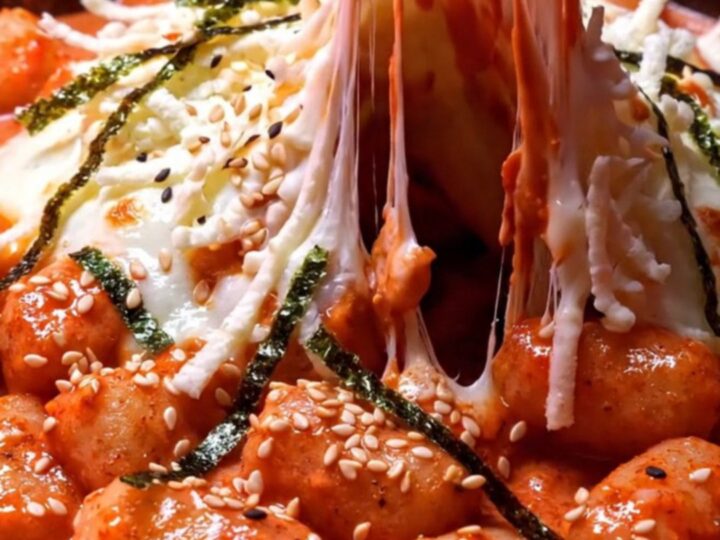
Gochujang Rosé Gnocchi with Torched Mozzarella
- Prep
- Cook
- Total
- Serves
- 4
This gochujang rosé gnocchi is a 20-minute dinner that brings together the comfort of Italian gnocchi and the spicy-sweet kick of Korean gochujang. The creamy rosé sauce is rich and velvety, with a gentle heat that builds as you eat.
Topped with a blanket of melted mozzarella that's torched until blistered, each bite offers a satisfying crunch on top and a chewy, tender gnocchi underneath.
Gnocchi are small, pillowy dumplings made from potatoes, and they're a blank canvas for bold sauces. In this recipe, they're tossed in a rosé cream sauce spiked with gochujang, a fermented Korean chili paste that brings umami and a pleasant heat.
Honey balances the spice, while heavy cream rounds it all out into a silky sauce. The mozzarella topping is broiled or torched until it bubbles and chars, creating a textural contrast that makes this dish unforgettable. It's a one-pan meal that comes together quickly, making it ideal for a busy weeknight.
Ingredients
- 500 g potato gnocchi
- 2 tbsp unsalted butter
- 1 tbsp toasted sesame oil
- 4 cloves garlic, minced
- 3 scallions, sliced
- 2 tbsp gochujang paste
- 1 tbsp honey
- 200 ml heavy cream
- 180 g shredded mozzarella
- 1 tbsp toasted sesame seeds
- 2 sheets nori, cut into thin strips
Why this recipe works
The gochujang and honey create a sweet-heat balance that is both bold and accessible. Gochujang is fermented, so it adds a deep, savory umami that you don't get from fresh chili.
The honey mellows the heat and helps the sauce caramelize slightly, giving it a glossy sheen. Heavy cream binds everything together into a rich, velvety sauce that coats the gnocchi perfectly.
Torching or broiling the mozzarella creates a crispy, blistered crust while keeping the inside gooey and stretchy. This contrast in texture—crispy cheese on top, soft gnocchi underneath—is what makes the dish feel indulgent and special. The sesame seeds and nori add a nutty, oceanic crunch that echoes the Korean flavors without overwhelming them.
Notes and substitutions
Use good-quality potato gnocchi; shelf-stable gnocchi work well and cook quickly. If using fresh gnocchi, adjust the boiling time as needed. For the sauce, use full-fat heavy cream for the best richness.
The gochujang paste can be found in most supermarkets in the international aisle, or online. If you can't find it, a mix of sriracha and miso can approximate the flavor.
A kitchen torch gives you the most control for blistering the cheese, but a broiler works just as well. If using the broiler, watch closely—the cheese can go from golden to burnt in seconds. Shredded low-moisture mozzarella melts best and gives a nice stretch. Fresh mozzarella will also work but will release more water, so pat it dry before shredding.
- potato gnocchi: Use store-bought shelf-stable gnocchi; for a gluten-free option, choose gluten-free gnocchi (check label).
- heavy cream: For a lighter sauce, substitute half-and-half or whole milk, but the sauce will be thinner and less rich.
- gochujang paste: If gochujang is unavailable, use 1 tbsp sriracha mixed with 1 tbsp miso paste and a pinch of sugar.
- shredded mozzarella: Use low-moisture mozzarella for the best melt; fresh mozzarella will work but may release more water.
Equipment
- Large skillet or sauté pan
- Wooden spoon or spatula
- Chef's knife
- Cutting board
- Kitchen torch (optional)
Up next · Part 2 of 3
6 steps · 10 min of cooking · what to look for at each stage
Step-by-step instructions (Part 2)