Dinner · Part 2 of 3: Instructions
Honey Gochujang Shrimp and Charred Octopus Skillet Step-by-step instructions
- Prep
- Cook
- Total
- Serves
- 4
Before you start
Before cooking, pat the octopus and shrimp very dry with paper towels. Score the octopus tentacles in a crosshatch pattern, and butterfly the shrimp. Slice the scallions and grate the ginger.
Mix the gochujang, honey, garlic, and butter in a small bowl. Have all ingredients and equipment within reach, as the searing and saucing happen quickly.
Ingredients at a glance (11)
- 1 lb octopus tentacles, cleaned
- 1 lb jumbo shrimp, peeled and deveined
- 4 scallions, sliced
- 2 tbsp fresh ginger, grated
- 3 tbsp gochujang
- 2 tbsp honey
- 4 cloves garlic, minced
- 4 tbsp unsalted butter, cubed
- 2 tbsp vegetable oil
- 1 tbsp toasted sesame seeds
- 1 lime, cut into wedges
Instructions
Prep and Mix
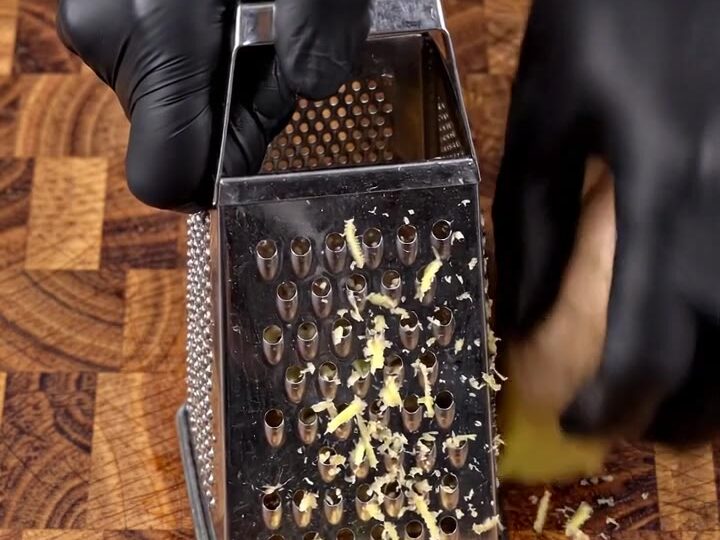
- Prep the Seafood and AromaticsScore the octopus tentacles in a crosshatch pattern on both sides. Butterfly the jumbo shrimp by slicing along the back, nearly through, and gently flattening. Slice the scallions thinly, separating white and green parts. Grate the ginger on a box grater to get a fine pile.Look for The octopus shows clear crosshatch marks, the shrimp are flat and even, and the ginger is fine and moist.Tip Pat the octopus and shrimp very dry with paper towels before searing to get a good char.
- Mix the Gochujang Butter SauceIn a small bowl, combine the gochujang, honey, minced garlic, and cubed butter. Stir until the mixture forms a thick paste. Set aside at room temperature so the butter is soft and ready to melt quickly when added to the skillet.Look for The paste is uniform and reddish-brown, with the butter still visible in small pieces.Tip If the butter is too hard, let it sit out for 10 minutes before mixing.
At the end of this phase, the octopus is scored, the shrimp are butterflied, and the ginger is grated. The gochujang butter paste is ready, with the butter still in small cubes.
The scallions are sliced, with the white and green parts separated. Everything is in place for a fast sear.
Sear the Seafood
- Sear the OctopusHeat the vegetable oil in a large cast iron skillet over high heat until shimmering. Add the octopus tentacles in a single layer, scored side down. Sear without moving for 2-3 minutes until deeply charred. Flip and sear the other side for another 2 minutes.Look for The octopus has dark char marks and the edges are crisp.Safe temperature 145°F (63°C) internal temperature (shellfish)Tip Use a heavy pan and don't overcrowd – cook in batches if needed.
- Add the Shrimp and SearPush the octopus to one side of the skillet. Add the butterflied shrimp in a single layer. Sear for 1-2 minutes per side until they turn pink and are just cooked through. The shrimp should curl slightly and feel firm to the touch.Look for The shrimp are opaque and pink, with golden brown edges.Safe temperature 145°F (63°C) internal temperature (shellfish)Tip Do not overcook the shrimp – they finish cooking in the sauce.
The octopus is deeply charred on both sides, with a crisp crust and tender interior. The shrimp are pink and just cooked through, with golden edges. The skillet is hot, and the seafood is ready for the sauce. The kitchen smells of toasted seafood and oil.
Sauce and Finish
- Make the Gochujang Butter SauceReduce the heat to medium-low. Add the gochujang butter mixture to the skillet. Stir gently as the butter melts and combines with the gochujang and honey. Let it bubble for 1-2 minutes, basting the seafood with the sauce using a spoon.Look for The sauce is bubbling and glossy, coating the seafood evenly.Tip If the sauce gets too thick, add a splash of water to loosen it.
- Finish and GarnishSprinkle the toasted sesame seeds and the sliced green parts of the scallions over the skillet. Squeeze fresh lime juice over the top. Serve immediately from the skillet, lifting a glistening piece of seafood with the sauce.Look for The dish is glossy, with bright green scallions and sesame seeds scattered on top.Tip Serve with rice or crusty bread to soak up the sauce.
The gochujang butter sauce has melted and is bubbling around the seafood, turning a glossy crimson. The sesame seeds and scallions add color, and the lime juice brightens the dish. The sauce clings to the seafood, and the whole skillet looks glistening and ready to serve.
Common mistakes
A common mistake is overcrowding the skillet, which lowers the temperature and steams the seafood instead of searing it. Cook in batches if needed.
Another is overcooking the shrimp, which makes them rubbery – they finish cooking in the sauce, so remove them from the heat when just pink. Also, don't add the butter sauce too early, or the butter may burn.
How to tell it’s done
The seafood is done when the shrimp are opaque and pink, and the octopus is tender and charred. The internal temperature should reach 145°F (63°C) for both.
The sauce should be bubbling and glossy, coating the seafood. If you are unsure, cut into a shrimp – it should be firm and white inside, not translucent.
- Shellfish: 145°F (63°C) in the thickest part
Up next · Part 3 of 3
4 variations · storage & make-ahead · 5 answers · printable card
Tips, FAQ & printable recipe (Part 3)← Back to the ingredients (Part 1)