Dinner · Part 1 of 3: Ingredients
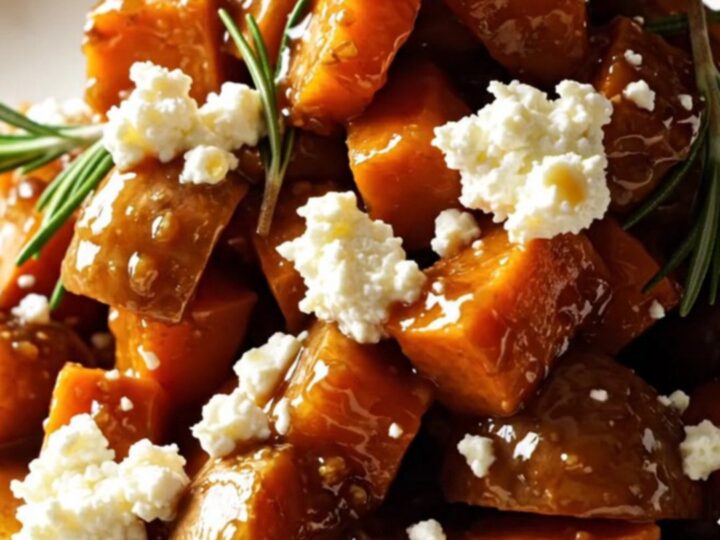
Honey Balsamic Fig Glazed Root Vegetables
- Prep
- Cook
- Total
- Serves
- 6
Elevate your dinner table with a side dish that balances deep savory notes with a hint of natural sweetness. These honey balsamic fig glazed root vegetables turn standard carrots, parsnips, and sweet potatoes into a colorful, luxurious centerpiece that pairs perfectly with roast meats or poultry, ensuring every guest leaves the table feeling satisfied and impressed by the depth of flavor present in every bite.
Root vegetables are a staple for a reason, but they often lack the excitement needed for special occasions. By slow-cooking them with a combination of fig preserves, tangy balsamic vinegar, and rich butter, you achieve a level of caramelization that is difficult to replicate with standard roasting methods.
This hands-off approach allows the vegetables to soften perfectly while the sugars in the figs and balsamic concentrate into a sticky, jewel-toned glaze that clings to every piece. It is an ideal recipe for busy hosts who want a sophisticated side dish that requires minimal attention during the cooking process.
Ingredients
Vegetables
- 1 lb carrots, peeled and cut into chunks
- 1 lb parsnips, peeled and cut into chunks
- 1 lb red onions, peeled and cut into wedges
- 1 lb sweet potatoes, peeled and cut into chunks
Glaze
- 1/4 cup fig preserves
- 2 tbsp balsamic vinegar
- 3 tbsp butter, melted
Seasoning
- 2 tbsp fresh rosemary, minced
Garnish
- 2 oz fresh chèvre cheese, crumbled
Why this recipe works
The slow cooker environment is ideal for root vegetables because it creates a gentle, consistent heat that allows the natural sugars in the carrots, parsnips, and onions to release slowly. Unlike high-heat roasting, which can sometimes dry out the exterior before the interior is tender, the slow cooker traps moisture, ensuring that each piece remains succulent while absorbing the complex flavors of the balsamic and fig glaze.
Using a ceramic vessel provides even heat distribution, which prevents the sugars in the fig preserves and balsamic vinegar from scorching too quickly. As the cooking progresses, the glaze reduces and thickens, coating the vegetables in a concentrated layer of flavor.
This method transforms simple, inexpensive root vegetables into a dish that looks and tastes like a refined culinary creation, perfectly suited for holiday gatherings or elevated Sunday night dinners.
Notes and substitutions
For the best results, aim for uniform sizes when chopping your vegetables. Carrots and parsnips should be cut into similar lengths, while sweet potatoes should be cubed to match, ensuring they all finish cooking at the same time.
While red onions provide a lovely color and sweetness, you can substitute with yellow onions if that is what you have on hand. Always use high-quality balsamic vinegar, as its acidity is key to cutting through the sweetness of the fig preserves.
The ceramic slow cooker is the preferred vessel for this recipe, as it retains heat exceptionally well and promotes gentle cooking. If your slow cooker has a tendency to run very hot, check the vegetables after three hours to ensure the glaze has not reduced too much.
Feel free to adjust the amount of rosemary depending on your preference for herbal notes, but remember that the long, slow cooking time will mellow the flavor of the fresh herbs significantly.
- fig preserves: apricot preserves or orange marmalade
- fresh chèvre cheese: crumbled feta cheese or toasted walnuts
Equipment
- 6-quart slow cooker
- Chef knife
- Cutting board
- Measuring cups
- Measuring spoons
- Vegetable peeler
Up next · Part 2 of 3
3 steps · 3 h 30 min of cooking · what to look for at each stage
Step-by-step instructions (Part 2)