Dinner · Part 2 of 3: Instructions
Honey Balsamic Bruschetta Chicken Skillet Step-by-step instructions
- Prep
- Cook
- Total
- Serves
- 4
Before you start
Before beginning, ensure your chicken breasts are patted dry with paper towels to improve searing. Dice your Roma tomatoes into uniform pieces to ensure consistent texture, and mince the garlic finely so it distributes evenly through the bruschetta.
Keep all ingredients measured and organized near the stove, as the searing process moves quickly once the pan is hot. Have your meat thermometer ready to check the internal temperature of the chicken precisely.
Ingredients at a glance (9)
- 4 chicken breasts
- 1/4 cup balsamic vinegar
- 2 tbsp honey
- 2 tbsp olive oil
- 4 Roma tomatoes, diced
- 3 garlic cloves, minced
- 1/4 cup fresh basil, chopped
- 1/2 tsp flaky salt
- 4 slices aged provolone cheese
Instructions
Marinating
- Marinating and PrepIn a shallow dish, combine the balsamic vinegar, honey, and olive oil. Place the chicken breasts into the marinade, ensuring they are well-coated. Cover and refrigerate for 30 minutes. Meanwhile, in a medium mixing bowl, toss the diced Roma tomatoes with the minced garlic, fresh basil, and flaky salt until well combined. Set the bruschetta mixture aside to allow the flavors to meld together while the chicken finishes marinating.Look for The chicken is evenly coated and the tomato mixture is fragrant.Tip Ensure the chicken is kept in the refrigerator during the marinating process for safety.
The chicken should be fully immersed in the honey-balsamic mixture, and the tomatoes should be macerating in the garlic and basil. The kitchen should smell faintly of fresh herbs.
Ensure the marinade has had sufficient time to penetrate the meat fibers, resulting in a slightly darkened exterior on the chicken before it even touches the pan.
Searing
- Grilling the ChickenPreheat your cast-iron grill pan over medium-high heat until hot. Place the marinated chicken breasts onto the grill pan. Cook for 5 minutes per side. During the final minute of cooking, pour the remaining marinade into the pan, allowing it to reduce into a thick, glossy syrup that coats the chicken. Ensure the chicken reaches an internal temperature of 165°F (74°C) using a meat thermometer.Look for The chicken is nicely seared with visible grill marks and the glaze is thick.Safe temperature 165°F (74°C) internal temperature (poultry)Tip Reduce the heat slightly if the balsamic glaze begins to burn too quickly.
The chicken should have deep, dark grill marks and a glossy, syrup-like coating from the reduced marinade. The smell should be savory and slightly sweet, with a hint of caramelized honey. The chicken should feel firm and be cooked through to 165°F (74°C). Ensure the glaze has thickened enough to coat the back of a spoon.
Topping
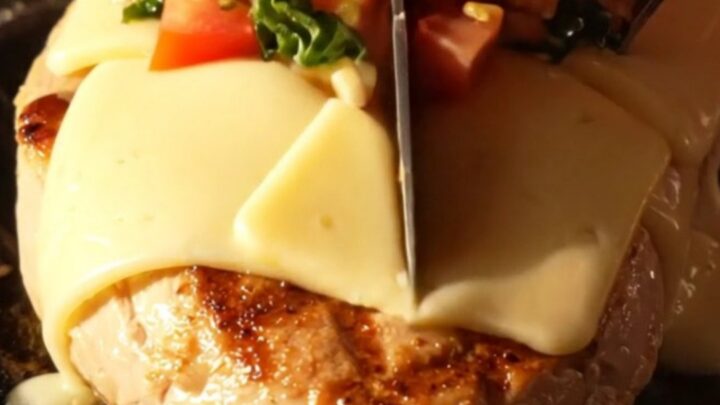
- Melting and FinishingOnce the chicken is fully cooked, place a slice of provolone cheese on top of each breast. Cover the pan briefly to melt the cheese until it is gooey and bubbling. Remove from the heat and let the chicken rest for 5 minutes. Spoon a generous amount of the fresh tomato bruschetta mixture over the melted cheese before serving immediately.Look for The cheese is completely melted and the chicken is juicy.Tip Letting the chicken rest is crucial for maintaining moisture in the meat.
The provolone should be completely melted and draped over the chicken like a blanket. The bruschetta topping should be vibrant, cold, and aromatic. The contrast between the hot, syrupy chicken and the cool, zesty tomato mixture should be immediately apparent. The dish is ready to serve once the cheese is set and the tomatoes are piled high.
Common mistakes
A common mistake is overcrowding the pan, which lowers the surface temperature and causes the chicken to steam rather than sear. Ensure each breast has ample space.
Another error is failing to rest the meat; resting for five minutes allows the juices to redistribute, preventing them from running out when you cut into the chicken. Finally, do not overcook the garlic in the bruschetta, as it should remain pungent and fresh.
How to tell it’s done
The chicken is perfectly done when the exterior is caramelized and the internal temperature reaches 165°F (74°C). The meat should be firm to the touch but still springy.
Because chicken breasts can dry out quickly, use the thermometer to pull them from the heat immediately once the safe temperature is achieved. The cheese should be completely melted, bubbling slightly, and beginning to brown at the edges for maximum flavor.
- Poultry: 165°F (74°C) in the thickest part
Up next · Part 3 of 3
2 variations · storage & make-ahead · 3 answers · printable card
Tips, FAQ & printable recipe (Part 3)← Back to the ingredients (Part 1)