Dinner · Part 3 of 3: Tips & recipe card
Easy Herb-Crusted Salmon with Roasted Vegetables and Creamy Dill Sauce Tips, FAQ & printable recipe

- Prep
- Cook
- Total
- Serves
- 4
Tips for success
To achieve the crispiest roasted potatoes, place them cut-side down on the baking sheet during the initial roasting phase. This direct contact with the hot metal sheet encourages deep browning and a wonderful caramelized crust.
Additionally, ensure the broccoli florets are completely dry after washing; any residual moisture will create steam in the oven, preventing them from developing those delicious charred edges and keeping them nice and crisp.
When preparing the velvety dill sauce, warm it gently over low heat and avoid boiling. Exposing cream-based sauces to high heat can cause them to separate or curdle, ruining their smooth texture.
If you are making your own sauce from scratch, stir the fresh dill in at the very end of the process to preserve its bright green color and delicate, fresh flavor, ensuring a beautiful visual presentation.
Variations
- Citrus Herb Salmon: Substitute the dill sauce with a light lemon-herb butter sauce made with melted butter, fresh parsley, and lemon zest for a brighter profile.
- Spicy Roasted Veggies: Add a pinch of crushed red pepper flakes or cayenne pepper to the vegetable seasoning mix for a subtle kick of heat.
Storage and make-ahead
- Fridge
- Store leftovers in separate airtight containers in the refrigerator for up to 3 days. Keep the sauce separate to maintain the best texture.
- Freezer
- Freezing is not recommended. The cream sauce will separate and curdle, and the roasted vegetables will become soggy and lose their texture upon thawing.
- Reheat
- Warm salmon and veggies on a baking sheet at 300°F (150°C) for 10 minutes. Reheat the sauce gently on the stovetop over low heat, whisking constantly.
To maintain freshness and prevent spoilage, store any leftover salmon, roasted vegetables, and creamy dill sauce in separate airtight containers in the refrigerator within two hours of cooking.
Keeping the components separate prevents the vegetables from becoming soggy and allows you to reheat each element properly. When stored correctly, these leftovers will remain delicious and safe to consume for up to three days.
The velvety dill sauce can be prepared up to one day in advance and stored in the refrigerator. Gently reheat the sauce over low heat, whisking constantly, just before serving. The vegetables can also be chopped and tossed in seasoning a few hours ahead of time to streamline the final preparation, allowing you to simply spread them on the baking sheet when you are ready to cook.
Serving ideas
Serve this elegant dish immediately while the salmon is hot and the roasted vegetables are at their crispiest. Arrange the salmon fillet in the center of a warm plate, surrounded by a colorful medley of roasted potatoes, broccoli, and red onion.
Spoon a generous amount of the warm velvety dill sauce directly over the salmon, letting it cascade down the sides, which creates an incredibly inviting and professional presentation.
For an extra touch of sophistication, garnish the plate with fresh lemon wedges for squeezing over the fish, and scatter a few additional sprigs of fresh dill over the top. This meal pairs beautifully with a crisp, chilled white wine such as Sauvignon Blanc or Pinot Grigio, which cuts through the richness of the salmon and cream sauce, making it a wonderful choice for a special dinner.
Frequently asked questions
Can dried dill be used instead of fresh dill for the sauce?
How is it possible to prevent the cream sauce from curdling?
Can other vegetables be roasted alongside the salmon?
Easy Herb-Crusted Salmon with Roasted Vegetables and Creamy Dill Sauce

Ingredients
- 4 salmon fillets
- 1 lb potatoes, halved
- 1 head broccoli, cut into florets
- 1 medium red onion, sliced
- 1 tbsp dried herb seasoning
- 1/2 cup velvety dill sauce, store-bought or made ahead
Instructions
- Preheat the oven to 400°F (200°C). On a large baking sheet, toss the halved potatoes, broccoli florets, and sliced red onion with the dried herb seasoning, salt, and black pepper until evenly coated.
- Place the baking sheet in the preheated oven. Bake the potatoes and vegetables for 12 minutes. This head start ensures the potatoes become tender and golden without overcooking the salmon fillets.
- Pat the salmon fillets dry with paper towels. Carefully remove the baking sheet from the oven, push the roasted vegetables to the sides, and place the salmon fillets in the center of the sheet.
- Return the baking sheet to the oven and bake for 12 to 15 minutes. Cook until the salmon is opaque, flakes easily with a fork, and reaches a safe internal temperature of 145°F (63°C) when checked with a digital thermometer.
- While the salmon bakes, gently warm the velvety dill sauce in a small saucepan over low heat, stirring occasionally until it is heated through and smooth.
- Arrange a baked salmon fillet on a plate alongside a generous portion of roasted potatoes, broccoli, and red onion. Drizzle the warm velvety dill sauce lavishly over the salmon and serve immediately.
Estimated nutrition per serving
- Calories
- 580
- Protein
- 36 g
- Carbohydrates
- 24 g
- Fat
- 38 g
- Fiber
- 4 g
- Sugar
- 3 g
- Sodium
- 450 mg
Next recipe
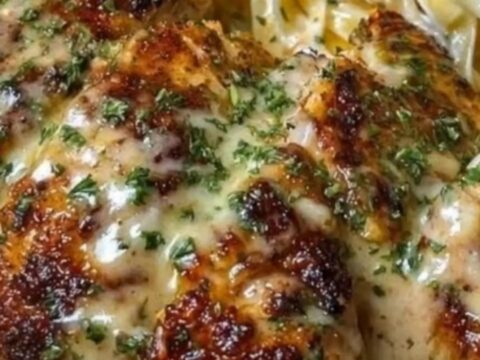
Garlic Parmesan Chicken with Creamy Fettuccine
See the recipe → →This recipe is based on a short cooking video and is published under the pen name Clara Weller. It was checked before publication, but errors can slip through. Nutrition, when shown, is an estimate. Read more in our editorial policy and on our food safety page.
More recipes to try

Creamy Steak Bites Penne with Garlic Butter
Total time: 33 min
Creamy Garlic Butter Beef Linguine Dinner
Total time: 30 min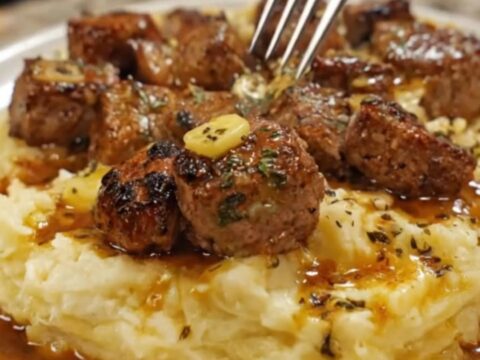
Garlic Butter Steak Bites with Creamy Parmesan Mashed Potatoes
Total time: 33 min
Crispy Roasted Garlic Potatoes
Total time: 45 min
Crispy Pineapple Chicken Stir-Fry (Better Than Takeout)
Total time: 20 min