Dinner · Part 3 of 3: Tips & recipe card
Hearty Cheesy Ground Beef and Potato Casserole Tips, FAQ & printable recipe
- Prep
- Cook
- Total
- Serves
- 6
Tips for success
For added depth, you can season the potato layers with a pinch of kosher salt and freshly cracked black pepper as you stack them. This ensures the seasoning is distributed throughout the entire dish rather than just on the surface or in the beef layer.
If you find that the edges of the casserole are browning faster than the center, rotate the baking dish halfway through the uncovered baking time. This simple adjustment helps achieve a uniform golden color across the entire top of the cheese layer.
Variations
- Spicy Beef and Potato: Add a teaspoon of red pepper flakes or diced jalapeños to the ground beef while it browns to introduce a pleasant heat that cuts through the richness of the cheese.
- Herb-Infused Casserole: Mix a tablespoon of fresh chopped rosemary or thyme into the ground beef before layering to add an aromatic, earthy quality that complements the potatoes beautifully.
Storage and make-ahead
- Fridge
- Store leftovers in an airtight container in the refrigerator for up to 3 days.
- Freezer
- Freeze portions in airtight, freezer-safe containers for up to 2 months.
- Reheat
- Reheat individual portions in the microwave until hot or in a 350°F oven until warmed through.
Allow any leftovers to cool completely at room temperature for no more than two hours before transferring them to an airtight container.
Once cooled, store the container in the refrigerator to maintain freshness. Proper storage ensures the casserole remains safe and flavorful for several days after it was originally prepared.
You can assemble the casserole ahead of time and keep it in the refrigerator for up to 24 hours before baking.
If baking from cold, add an extra 10 to 15 minutes to the covered portion of the cooking time to ensure the potatoes heat through properly before you add the cheese topping.
Serving ideas
Serve this casserole hot directly from the baking dish for a rustic presentation. Use a wide spatula to lift generous portions, ensuring you capture all the layers from the bottom of the dish.
It pairs beautifully with a simple side salad or steamed green vegetables to provide a fresh contrast to the rich, cheesy beef.
The casserole is a complete meal on its own, but it can also be served alongside crusty bread to soak up any juices.
Present it on a warm platter or serve directly from the baking dish, allowing guests to help themselves. The combination of textures and flavors makes it a reliable choice for family gatherings.
Frequently asked questions
Can this casserole be made ahead of time?
How can one ensure the potatoes are fully cooked?
What is the best way to reheat leftovers?
Hearty Cheesy Ground Beef and Potato Casserole
Ingredients
- 1 1/2 lb ground beef
- 2 lb potatoes, thinly sliced
- 2 cups shredded Colby Jack cheese
Instructions
- Preheat the oven to 375°F (190°C). Wash, peel, and thinly slice the potatoes into uniform rounds to ensure even cooking throughout the casserole. Grate the cheese if using a block, or set the pre-shredded cheese aside.
- Place the ground beef in a large skillet over medium-high heat. Break the meat apart with a spatula and cook until fully browned and no longer pink. Ensure the beef reaches an internal temperature of 160°F (71°C). Drain any excess grease from the pan before assembling the casserole.
- Layer half of the sliced potatoes into the bottom of a 9x13 inch baking dish. Spread the cooked ground beef evenly over the potatoes. Add the remaining potato slices on top. Cover the dish and bake for 40 minutes. Remove the cover, sprinkle with the shredded cheese, and bake for an additional 10 minutes until the cheese is melted, bubbly, and golden-brown.
Estimated nutrition per serving
- Calories
- 450
- Protein
- 25 g
- Carbohydrates
- 35 g
- Fat
- 22 g
- Fiber
- 3 g
- Sugar
- 2 g
- Sodium
- 450 mg
Next recipe

Creamy Cheesy Chicken Broccoli Rice Casserole
See the recipe → →This recipe is based on a short cooking video and is published under the pen name Clara Weller. It was checked before publication, but errors can slip through. Nutrition, when shown, is an estimate. Read more in our editorial policy and on our food safety page.
More recipes to try
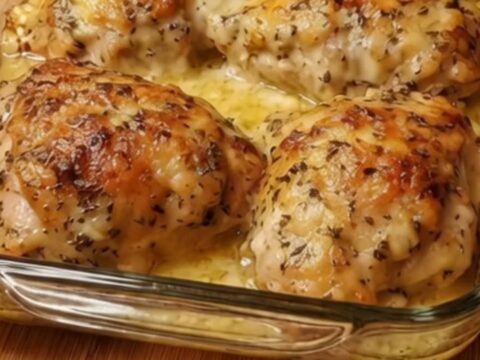
Creamy Herb Baked Chicken for a Comforting Dinner
Total time: 1 h
Creamy Chicken Spaghetti Rotel Tetrazzini
Total time: 50 min
Creamy Cheesy Chicken Spaghetti Casserole
Total time: 50 min
Cheesy Ground Beef and Potato Casserole
Total time: 1 h 10 min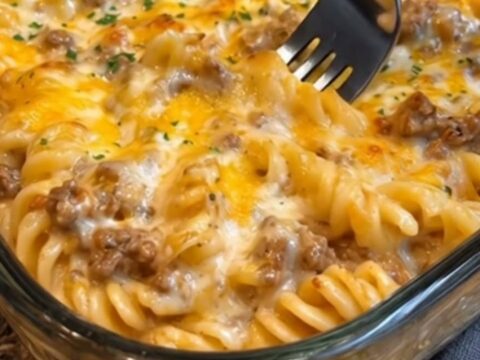
Poor Man's Husband Casserole: A Hearty Cheesy Beef Rotini
Total time: 50 min