Dinner · Part 1 of 3: Ingredients
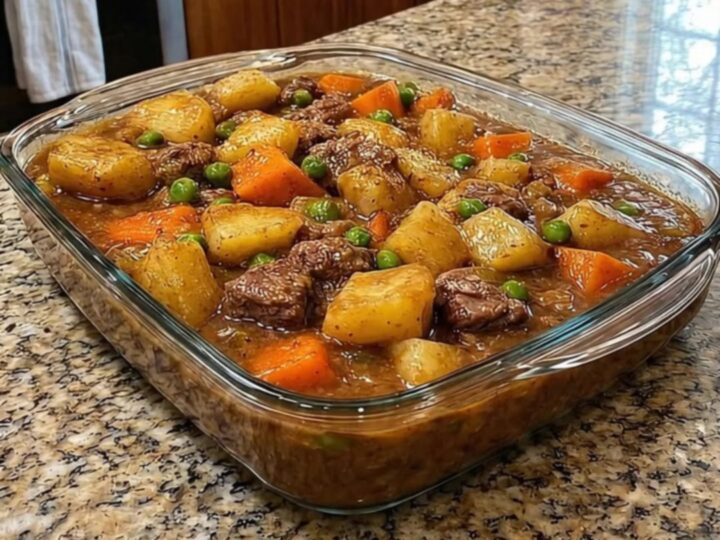
Grandma’s Hearty Beef Stew Casserole
- Prep
- Cook
- Total
- Serves
- 6
Discover the secret to a perfect, homemade beef stew that requires minimal effort but delivers maximum flavor. This casserole method transforms simple, wholesome ingredients into a rich and comforting meal that feels like a warm embrace on a chilly evening.
By slow-roasting the beef with fresh vegetables in a flavorful broth, you achieve a deep complexity that usually takes hours of stove-top monitoring, all while keeping the kitchen clean and the process entirely straightforward for any home cook.
There is a timeless appeal to a classic beef stew, but the traditional stovetop method often requires constant attention. This casserole variation simplifies the process by utilizing the oven for consistent, gentle heat.
The result is a deeply savory, thick gravy coating incredibly tender beef and perfectly cooked vegetables. Whether you are preparing a satisfying family dinner or looking for a reliable recipe to master, this beef stew casserole is designed to provide consistent, delicious results every time you put it in the oven.
Ingredients
Stew Base
- 2 lb beef chuck roast, cut into 1.5-inch cubes
- 2 lb gold potatoes, peeled and cut into chunks
- 3 large carrots, peeled and sliced into rounds
- 1 cup frozen peas
Gravy
- 3 cups beef broth
Why this recipe works
The oven-roasting method provides a steady, ambient temperature that allows the tough connective tissues in the beef chuck to break down slowly. This consistent heat penetration ensures the meat becomes fork-tender while the vegetables absorb the savory essence of the gravy.
Unlike stovetop cooking, which can lead to uneven temperature spots, the oven creates a uniform environment for the casserole, resulting in a balanced dish where flavors meld perfectly.
The use of a flavorful beef broth acts as a braising liquid that concentrates the flavors as it reduces in the oven. As the moisture evaporates, the natural gelatin from the beef bones creates a rich, coating consistency that clings to every morsel. This method minimizes the risk of burning and eliminates the need for frequent stirring, allowing the ingredients to develop their full potential without interference.
Notes and substitutions
For the best results, select high-quality beef chuck roast. This cut contains the right amount of fat and connective tissue, which is essential for yielding a tender, succulent stew after long, slow cooking. Avoid using lean cuts like sirloin, as they may become dry and tough during the extended baking time required for this casserole. If the beef is not trimmed, remove any large, hard pieces of gristle, but keep some fat for flavor.
The choice of potatoes is also important for the final texture. Gold potatoes are ideal because they hold their shape well during the long baking process without turning mushy. If gold potatoes are unavailable, red potatoes are a suitable substitute.
Ensure all vegetables are cut into uniform pieces so they finish cooking at the same time. Using a glass baking dish allows you to monitor the browning and liquid levels without removing the foil too often.
- beef chuck roast: boneless beef round roast or similar lean stewing meat
- gold potatoes: russet potatoes or red potatoes
Equipment
- 9x13 inch glass baking dish
- Large mixing bowl
- Chef knife
- Cutting board
- Measuring cups
Up next · Part 2 of 3
3 steps · 2 h of cooking · what to look for at each stage
Step-by-step instructions (Part 2)