Dinner · Part 3 of 3: Tips & recipe card
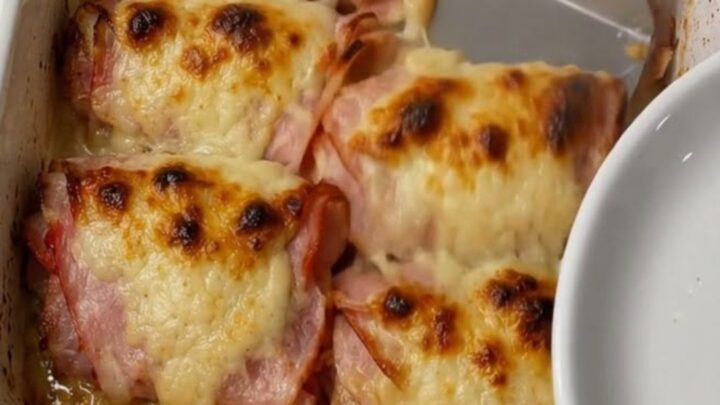
Gooey Baked Ham and Cheese Rolls Tips, FAQ & printable recipe
- Prep
- Cook
- Total
- Serves
- 6
Tips for success
To achieve the best results, use a high-quality cheese that is known for its excellent melting properties. If the rolls feel loose after being placed in the baking dish, you can use a small toothpick to secure them, but remember to remove these before serving.
This simple trick ensures that the rolls maintain their perfect shape while they are being transferred to plates.
The temperature of your oven can vary, so the first time you make this, pay close attention to the timing. The broiler is a powerful tool, and the distance between the rack and the heating element significantly impacts how quickly the rolls brown.
If you prefer a less intense browning, place the baking dish on a lower rack to achieve a slower, more controlled melt.
Variations
- Spicy Ham and Cheese: Add a thin layer of hot mustard or a few slices of pickled jalapeños inside the roll before wrapping the ham and cheese to add a subtle kick of heat.
- Herb-Infused Rolls: Sprinkle a small amount of dried oregano or Italian seasoning over the cheese before rolling to introduce a fragrant, herbal note that complements the savory ham.
Storage and make-ahead
- Fridge
- Store in an airtight container in the refrigerator for up to 2 days.
- Reheat
- Reheat in a preheated oven at 350°F (175°C) for 5-8 minutes until warmed through.
If you have leftovers, place them in an airtight container once they have cooled to room temperature. This will help maintain their texture and prevent them from drying out in the refrigerator. Consume the leftovers within two days for the best quality, as the cheese texture can change significantly after being refrigerated and reheated.
You can assemble the rolls in advance and keep them in the refrigerator, covered, for up to four hours before baking. When ready to cook, simply place the dish directly into the oven. Note that if the rolls are cold from the refrigerator, they may require an additional minute or two under the broiler to reach the same level of gooey perfection.
Serving ideas
These rolls are best served immediately after resting, while the cheese is still warm and molten. They make an excellent main course when paired with a fresh side salad or a bowl of soup, providing a satisfying and substantial meal.
The presentation in the baking dish is part of the appeal, so serve them directly from the oven to the table for the most impressive visual impact.
When serving, use a sturdy metal spatula to lift each roll carefully from the dish. This ensures the bottom remains intact and the cheese filling stays contained.
If serving to a group, provide small plates and napkins, as these rolls are best enjoyed while warm and can be slightly messy to eat. Encourage guests to enjoy them promptly to experience the optimal texture of the melted cheese.
Frequently asked questions
Can these rolls be made ahead of time?
What is the best type of cheese to use?
How can the cheese be kept inside the rolls?
Gooey Baked Ham and Cheese Rolls

Ingredients
- 6 slices deli ham
- 6 slices cheddar cheese
- 6 dinner rolls
Instructions
- Place each slice of deli ham onto a flat surface. Layer one slice of cheddar cheese on top of each ham slice. Roll the ham and cheese tightly into a compact log shape.
- Place the ham and cheese rolls into a ceramic baking dish. Ensure they are arranged snugly so they remain upright. Place the dish into the oven and broil until the rolls are golden brown and the cheese is bubbling violently.
- Remove the baking dish from the oven using oven mitts. Let the rolls rest for two minutes to allow the cheese to set slightly, then lift them out with a metal spatula and serve immediately while hot and steamy.
Estimated nutrition per serving
- Calories
- 280
- Protein
- 18 g
- Carbohydrates
- 12 g
- Fat
- 18 g
- Fiber
- 0.5 g
- Sugar
- 1 g
- Sodium
- 750 mg
Next recipe

Baked Reuben Casserole with Thousand Island Custard
See the recipe → →This recipe is based on a short cooking video and is published under the pen name Clara Weller. It was checked before publication, but errors can slip through. Nutrition, when shown, is an estimate. Read more in our editorial policy and on our food safety page.
More recipes to try

Creamy Garlic Parmesan Chicken for a Quick Dinner
Total time: 40 min
Classic Tender Beef Pot Roast with Root Vegetables
Total time: 3 h 35 min
Creamy Minced Beef and Mushroom Pasta Shells
Total time: 30 min
Creamy Amish Hamburger Steak Bake for Comfort
Total time: 1 h 5 min
Classic Comfort Spaghetti with Hearty Ground Beef Tomato Sauce
Total time: 30 min