Dinner · Part 2 of 3: Instructions
Golden Red Pepper Hatay Tray Kebab with Warm Flatbread Step-by-step instructions
- Prep
- Cook
- Total
- Serves
- 6
Before you start
Before you start, heat the oven to 400°F (200°C). Gather all your ingredients: ground beef, red kapya pepper, onion, garlic, pepper paste, cumin, salt, black pepper, tomato paste, hot water, olive oil, tomatoes, green sivri peppers, and flatbread.
Dice the red pepper finely, grate the onion and squeeze out the liquid, mince the garlic, and cut the tomatoes into wedges. Have your round metal baking pan ready. This recipe comes together quickly, so having everything prepped will make the process smooth and enjoyable.
Ingredients at a glance (14)
- 1 1/4 lb ground beef (80% lean)
- 1 red kapya pepper, finely diced
- 1 onion, grated
- 4 cloves garlic, minced
- 1 tbsp pepper paste
- 1 tsp ground cumin
- 1 tsp salt
- 1/2 tsp black pepper
- 1 tbsp tomato paste
- 1 cup hot water
- 2 tbsp olive oil
- 2 tomatoes, cut into wedges
- 4 green sivri peppers
- Turkish lavaş flatbread, for serving
Instructions
Mix and Press
- Mix the kebab baseIn a large bowl, combine the ground beef, finely diced red kapya pepper, grated onion, minced garlic, pepper paste, ground cumin, salt, and black pepper. Use your hands to knead the mixture until everything is evenly distributed and the meat feels slightly sticky, about 2 minutes.Look for The mixture should be cohesive and well seasoned, with the pepper and onion evenly incorporated.Tip Grate the onion and squeeze out excess liquid to keep the kebab firm.
- Press into the panTransfer the meat mixture to a round metal baking pan. Press it firmly and evenly across the bottom to form a flat disk about 1/2 inch thick. Make sure the surface is smooth and the edges are neat so the kebab cooks evenly.Look for The meat layer should be uniform in thickness, with no air pockets.Tip Use the back of a spoon or your fingertips to press the meat evenly.
At the end of this phase, you should have a well-kneaded meat mixture that is fragrant with garlic and spices. When pressed into the pan, it should form a neat, even disk about 1/2 inch thick.
The surface should be smooth and slightly sticky, indicating that the proteins are binding. This is the foundation for a juicy, tender kebab, so take your time to ensure the layer is uniform.
Bake to Golden
- Score and top the kebabUsing a sharp knife, score the meat into triangular wedges, cutting about halfway through the meat. Arrange the tomato wedges and green sivri peppers evenly over the surface, tucking them slightly into the cuts.Look for The scoring creates distinct portions and allows the juices to seep in.Tip Don't cut all the way through; the wedges will hold together while baking.
- Make the tomato brothIn a small bowl, whisk together the tomato paste, hot water, and olive oil until smooth. Pour the mixture evenly over the kebab, making sure it reaches the edges and fills the scored lines.Look for The broth should be a rich red liquid that pools around the meat.Tip Use hot water to help the tomato paste dissolve quickly.
- Bake until sizzlingPlace the pan in the oven and bake at 400°F (200°C) for 25 minutes, until the meat is browned and cooked through, and the juices are bubbling. The internal temperature of the thickest part of the kebab should reach 160°F (71°C).Look for The top is golden brown, the edges are crispy, and the broth is sizzling.Safe temperature 160°F (71°C) internal temperature (ground meat)Tip If the top browns too quickly, loosely cover with foil for the last 10 minutes.
As the kebab bakes, the kitchen fills with the aroma of roasting peppers and sizzling meat. After 25 minutes, the top is golden brown, the edges are caramelized, and the tomato broth is bubbling and slightly thickened. The peppers and tomatoes are soft and charred in spots. The kebab should look glossy and inviting, with the juices pooling in the scored lines.
Rest and Serve
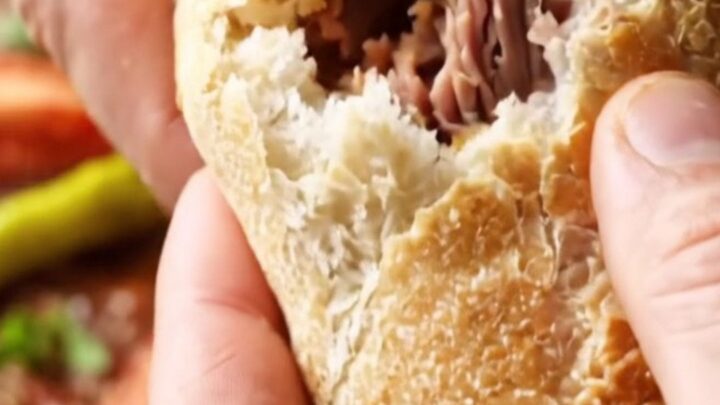
- Rest and serveRemove the kebab from the oven and let it rest for 5 minutes. Tear pieces of warm Turkish lavaş flatbread and use them to scoop up the succulent wedges, making sure to capture the garlicky pepper juices with each bite.Look for The kebab is juicy, tender, and fragrant with roasted pepper and garlic.Tip Warm the flatbread in the oven or on a skillet for a few minutes before serving.
After a short rest, the kebab is ready to serve. The wedges hold their shape but are tender enough to scoop with flatbread. The juices are concentrated and intensely flavorful. The flatbread should be warm and pliable, ready to soak up every bit of the garlicky pepper sauce. The dish looks rustic and abundant, perfect for sharing.
Common mistakes
A common mistake is overmixing the meat, which can make the kebab tough. Mix just until the ingredients are combined. Another pitfall is pressing the meat too thin or too thick; aim for a uniform 1/2-inch thickness. Don't skip scoring the meat — it helps the kebab cook evenly and allows the broth to penetrate.
Also, be sure to use hot water for the broth, as cold water won't dissolve the tomato paste as well. Finally, don't open the oven door too often during baking, as this lowers the temperature and can affect browning.
How to tell it’s done
The kebab is done when the top is golden brown and the edges are crispy, and the internal temperature of the thickest part reaches 160°F (71°C). The juices should be bubbling around the edges, and the tomato broth should be slightly reduced and glossy.
Insert an instant-read thermometer into the center of a wedge to check. If it reads 160°F, it's ready. Let it rest for a few minutes before serving to allow the juices to redistribute.
- Ground meat: 160°F (71°C) in the thickest part
Up next · Part 3 of 3
4 variations · storage & make-ahead · 5 answers · printable card
Tips, FAQ & printable recipe (Part 3)← Back to the ingredients (Part 1)