Dinner · Part 2 of 3: Instructions
Golden Potato-Stuffed Flatbread with Melted Butter Step-by-step instructions
- Prep
- Cook
- Total
- Serves
- 5
Before you start
Before starting, measure out all the ingredients. The water should be warm but not hot—about 110°F (45°C)—to activate the yeast without killing it. Peel and dice the potatoes before boiling, and have the onion chopped and the herbs ready.
Set out a large bowl, a clean towel, and a rolling pin. Clear a work surface and dust it lightly with flour. Make sure the skillet is clean and dry; you'll heat it later. This is a straightforward recipe, but having everything in place makes the process smoother.
Ingredients at a glance (14)
- 2 cups warm water (110°F/45°C)
- 1 tbsp active dry yeast
- 1 tbsp sugar
- 5 cups all-purpose flour, plus more for dusting
- 1 1/2 tsp salt
- 5 medium potatoes, peeled and boiled
- 1 medium onion, diced
- 4 tbsp olive oil
- 1 tsp tomato paste
- 1 tsp paprika
- 1/2 tsp chili flakes
- 1/2 tsp black pepper
- 1/4 cup fresh herbs (such as parsley or dill), chopped
- 4 tbsp cold butter, for brushing
Instructions
Making the Dough and Filling
- Make the DoughIn a large bowl, combine the warm water, dry yeast, and sugar. Let stand for 5–10 minutes until frothy. Add the flour and salt, and mix until a soft dough forms. Turn out onto a lightly floured surface and knead for 8–10 minutes until smooth and elastic. Place in a greased bowl, cover, and let rest for 30 minutes.Look for The dough should be soft, smooth, and slightly tacky but not sticky.Tip If the dough is too sticky, add a little more flour, a tablespoon at a time.
- Prepare the FillingWhile the dough rests, boil the peeled potatoes in salted water until fork-tender, about 15–20 minutes. Drain and mash well. In a skillet, heat the olive oil over medium heat and sauté the diced onion until soft and translucent, about 5 minutes. Stir in the tomato paste, paprika, chili flakes, black pepper, and fresh herbs. Cook for 1 minute, then fold this mixture into the mashed potatoes. Season with salt to taste and set aside.Look for The filling should be well combined and seasoned, with a rich aroma.Tip Make sure the potatoes are thoroughly mashed to avoid lumps in the filling.
The dough should be soft, smooth, and slightly tacky after kneading. It should spring back when pressed lightly. The filling should be creamy and well-seasoned, with the onion and spices evenly distributed.
The aroma should be fragrant with garlic and herbs. The dough is ready to rest, and the filling can sit at room temperature while the dough proofs.
Assembling and Cooking
- Assemble the FlatbreadsAfter the dough has rested, punch it down and divide it into 10 equal pieces. Roll each piece into a ball, then flatten slightly with your hands. Place a generous ball of the potato filling (about 2–3 tablespoons) in the center of each dough round. Pinch the edges together to seal, forming a pouch. Gently flatten the pouch with your hands, then use a rolling pin to roll it out to dinner-plate size, about 8–9 inches in diameter. Be careful not to tear the dough.Look for The dough should be thin but sturdy enough to hold the filling without leaking.Tip Keep the work surface lightly floured to prevent sticking.
- Cook on a Hot Dry SkilletHeat a large dry skillet over medium-high heat until smoking. Place one rolled flatbread in the skillet and cook for 1–2 minutes, until bubbles form and the bottom is golden with charred spots. Flip and cook the other side for another 1–2 minutes, until the bread balloons into a puffy dome. Remove from the skillet and keep warm while cooking the remaining flatbreads.Look for The flatbread should puff up dramatically, with golden-brown leopard spots on both sides.Tip Do not add oil to the skillet; the dry heat creates the signature char and puff.
The assembled flatbreads should be thin, about 8–9 inches across, with the filling sealed inside. When the first one hits the skillet, it should start to bubble within seconds. Watch for the bread to balloon dramatically—this is the sign of success. The bottom should be golden with dark spots, and the bread should feel light and airy when lifted.
Buttering and Serving
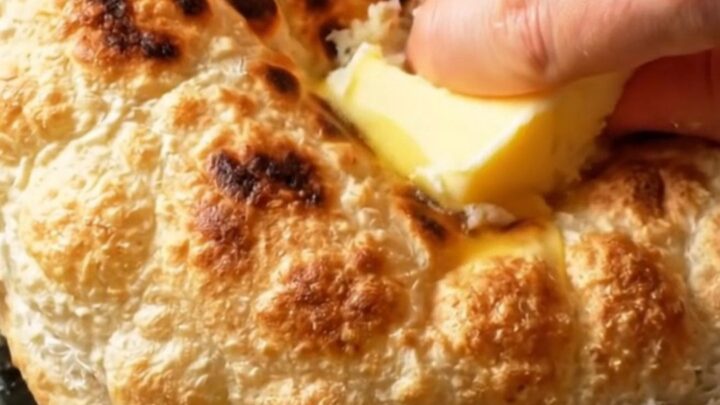
- Brush with Butter and ServeWhile the flatbreads are still hot, brush each one generously with cold butter, allowing it to melt into the crispy crust. Tear or cut into wedges and serve immediately, while warm and pillowy.Look for The butter should melt and soak into the bread, creating a glossy, fragrant finish.Tip Serve right away for the best texture; the bread softens as it cools.
The butter should melt quickly over the hot surface, creating a glossy sheen. The bread should be warm, with a crisp exterior and a soft, steamy interior. Tearing it open should reveal the golden potato filling. The aroma of butter and herbs should be inviting. Serve immediately while the bread is still warm.
Common mistakes
The most common mistake is not heating the skillet enough. If the pan isn't screaming hot, the bread won't puff and will turn out flat and doughy. Another issue is overfilling: too much potato filling makes the dough difficult to seal and roll out, and it can burst during cooking.
Keep the filling to about 2–3 tablespoons per bread. Rolling too thick will also prevent puffing—aim for a thin, even circle. Finally, don't skip the rest time; it's essential for a workable dough.
How to tell it’s done
The flatbreads are done when they are puffed, golden, and have charred spots on both sides. The internal temperature of the bread should be at least 200°F (93°C) to ensure the dough is cooked through. Tap the bottom: it should sound hollow, indicating the steam has created an airy interior.
The filling should be hot and the bread should feel slightly crisp on the outside but soft and pliable. If the bread is browning too quickly before it puffs, reduce the heat slightly and give it a few more seconds.
Up next · Part 3 of 3
4 variations · storage & make-ahead · 5 answers · printable card
Tips, FAQ & printable recipe (Part 3)← Back to the ingredients (Part 1)