Dinner · Part 3 of 3: Tips & recipe card
Giant Stuffed Philly Cheesesteak Meatballs Tips, FAQ & printable recipe
- Prep
- Cook
- Total
- Serves
- 4
Tips for success
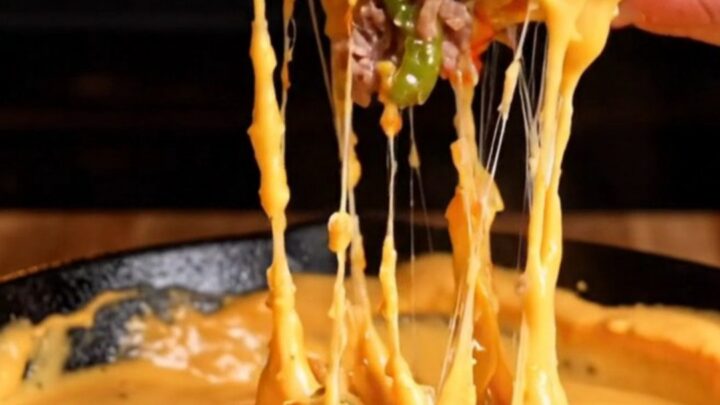
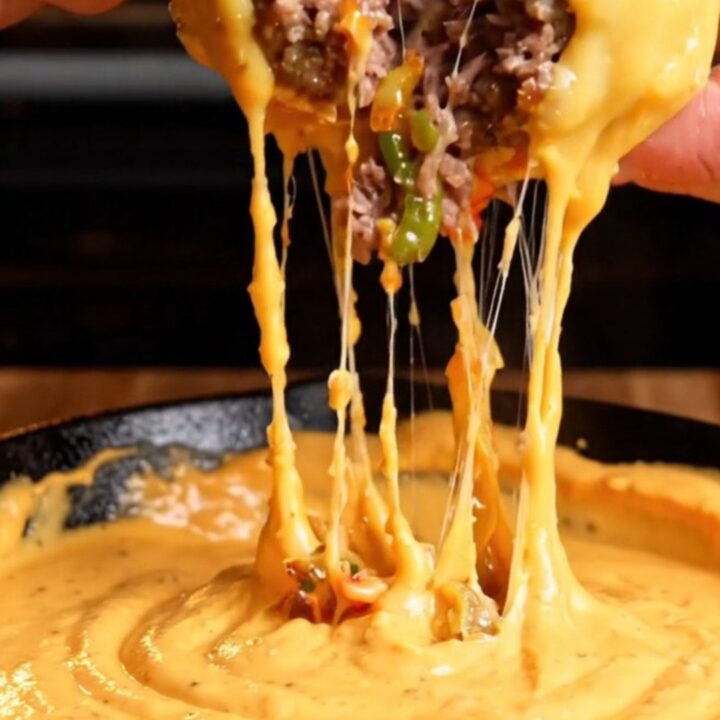
For the best cheese pull, use provolone that's good quality and cut into larger cubes—they'll melt more dramatically. If you want a spicier kick, add a pinch of red pepper flakes to the meat mixture.
To keep the meatballs from sticking to the skillet, make sure it's properly preheated before adding them. A little oil or butter in the pan also helps achieve that deep, even crust.
When shaping the meatballs, keep your hands slightly damp to prevent the meat from sticking. If you have time, chill the shaped meatballs for 15 minutes before searing—this helps them hold their shape.
For an even more authentic Philly flavor, consider adding a few slices of sautéed mushrooms, though the video doesn't show them. The key is to keep the meatballs uniform in size so they cook evenly.
Variations
- Spicy Chorizo: Replace half the ground beef with fresh chorizo sausage, removed from its casing. Reduce the salt, as chorizo is salty. Add a minced jalapeño to the sautéed vegetables for extra heat.
- Mushroom Lovers: Add 8 oz of finely chopped mushrooms to the sautéed onions and peppers. Cook until the mushrooms release their liquid and start to brown. This adds an earthy depth that complements the beef.
- Pepper Jack Swap: Use pepper jack cheese instead of provolone for a spicy, creamy center. The heat from the cheese pairs well with the sweet peppers and onions.
- Air Fryer Option: After searing, place the meatballs in an air fryer preheated to 375°F (190°C) and cook for 10-12 minutes, until the internal temperature reaches 160°F (71°C). This reduces the cooking time and keeps the exterior extra crispy.
Storage and make-ahead
- Fridge
- Store cooked meatballs in an airtight container in the refrigerator for up to 4 days. Keep the cheese sauce separate. Reheat gently to avoid drying out.
- Freezer
- Freeze cooked meatballs on a baking sheet, then transfer to a freezer bag for up to 3 months. Thaw overnight in the refrigerator before reheating.
- Reheat
- Reheat meatballs in a 350°F (175°C) oven for 10-15 minutes, or in the microwave in 30-second bursts.
Store leftover meatballs in an airtight container in the refrigerator for up to 4 days. Keep the cheese sauce separately in a jar or container.
To reheat, place the meatballs in a 350°F (175°C) oven for 10-15 minutes, or until warmed through. The sauce can be reheated in a saucepan over low heat, adding a splash of milk if needed to restore consistency.
You can prepare the meatballs up to a day ahead and store them in the refrigerator before cooking. Shape them, place on a plate, and cover tightly.
When ready to cook, sear and bake as directed, adding a few extra minutes to the baking time if the meatballs are cold. The cheese sauce can also be made ahead and reheated gently, though it's best served fresh.
Serving ideas
Serve the giant meatballs as the main event with a side of crusty bread or a simple green salad to balance the richness. They also work well over pasta or in a sub roll for a deconstructed cheesesteak experience. For a crowd, cut the meatballs into wedges and serve as an appetizer with toothpicks and extra cheese sauce for dipping.
Pair with a bold red wine or a crisp lager to cut through the richness. The cheese sauce can be drizzled over the meatballs or served on the side for dipping. Garnish with a sprinkle of chopped parsley or extra sautéed peppers for color, though the video doesn't include this—it's optional.
Frequently asked questions
Can these meatballs be made ahead of time?
Why does the cheese leak out during cooking?
Can this recipe be made gluten-free?
What is the best way to reheat leftover meatballs?
Can these meatballs be frozen after cooking?
Giant Stuffed Philly Cheesesteak Meatballs
Ingredients
- 2 lb ground beef (80/20)
- 1 cup plain breadcrumbs
- 2 large eggs, beaten
- 1 tbsp garlic powder
- 1 large yellow onion, finely diced
- 1 large green bell pepper, finely diced
- 2 tbsp unsalted butter
- 1 tbsp Worcestershire sauce
- 8 oz provolone cheese, cut into 1/2-inch cubes
- 1 tsp kosher salt
- 1/2 tsp black pepper
- 8 oz processed cheese (like Velveeta), cubed
- 1/2 cup whole milk
Instructions
- In a large skillet over medium heat, melt the butter. Add the finely diced onion and green bell pepper. Cook, stirring occasionally, until the vegetables are softened and starting to caramelize, about 8 minutes. Stir in the Worcestershire sauce and cook for 1 minute more. Remove from heat and let cool slightly.
- In a large bowl, combine the ground beef, breadcrumbs, beaten eggs, garlic powder, salt, and black pepper. Add the cooled sautéed vegetables. Use your hands to mix until just combined; do not overwork the meat.
- Divide the meat mixture into 4 equal portions. Flatten each portion into a large disk about 1/2-inch thick. Place 2 ounces of provolone cubes in the center of each disk. Fold the meat over the cheese and seal completely, shaping into a large ball. Make sure no cheese is exposed.
- Heat a cast iron skillet over medium-high heat. Add the meatballs and sear on all sides until deeply browned, about 2-3 minutes per side. Use tongs to turn them gently to maintain their shape.
- Transfer the skillet to a preheated 400°F (200°C) oven. Bake for 12 minutes, or until the internal temperature of the meatballs reaches 160°F (71°C). The cheese inside should be fully melted.
- Remove the skillet from the oven and let the meatballs rest for 5 minutes. This allows the juices to redistribute and the cheese to set slightly.
- In a small saucepan over low heat, combine the cubed processed cheese and milk. Stir constantly until the cheese is fully melted and the sauce is smooth and warm.
- Place the meatballs on a serving platter. Drizzle with the warm cheese sauce or serve the sauce on the side for dipping. Pull apart a meatball to show the stretchy provolone inside.
Estimated nutrition per serving
- Calories
- 780
- Protein
- 46 g
- Carbohydrates
- 22 g
- Fat
- 55 g
Next recipe

Crispy Japanese Ebi Fry with Chunky Tartar Sauce
See the recipe → →This recipe is based on a short cooking video and is published under the pen name Clara Weller. It was checked before publication, but errors can slip through. Nutrition, when shown, is an estimate. Read more in our editorial policy and on our food safety page.
More recipes to try
French Dip Prime Rib Sandwiches with Swiss & Horseradish Aioli
Total time: 35 min
Crispy Pork Carnitas Burrito with Guacamole & Cilantro Lime Rice
Total time: 35 min
Turkish White Bean Stew with Spicy Sucuk: One-Pot Comfort
Total time: 1 h 30 min
Creamy Sun-Dried Tomato & Basil Fettuccine with Grilled Chicken
Total time: 35 min
Turkish Spiral Spinach Borek: Flaky Golden Layers
Total time: 1 h 5 min