Desserts · Part 2 of 3: Instructions
Giant 6-Ounce Two-Chip Cookies with Molten Center Step-by-step instructions
- Prep
- Cook
- Total
- Serves
- 4
Before you start
Before starting, cube the cold butter and place it in the mixer bowl. Measure all ingredients accurately – for best results, use a kitchen scale for the flours. Chop the chocolate bars into rough chunks. Preheat the oven to 410°F (210°C) and line a baking sheet with parchment paper.
Ensure the eggs are cold, straight from the fridge. Have all equipment ready: stand mixer, mixing bowl, whisk, spatula, and a large ice cream scoop. The dough comes together quickly, so having everything prepped ensures a smooth process.
Ingredients at a glance (8)
- 1 cup cold unsalted butter, cubed
- 1 cup brown sugar
- 1/2 cup granulated sugar
- 2 large cold eggs
- 1 1/2 cups cake flour
- 1 1/2 cups bread flour
- 1 tbsp cornstarch
- 2 cups rough-chopped dark and milk chocolate bars
Instructions
Mix the Dough
- Cream the Butter and SugarsPlace the cubed cold butter, brown sugar, and granulated sugar in the bowl of a stand mixer fitted with the paddle attachment. Beat on medium speed just until incorporated, about 1–2 minutes. The mixture should look like wet sand, not fluffy. Add the cold eggs one at a time, mixing until just combined after each addition. Scrape down the sides of the bowl as needed.Look for The mixture is evenly combined with no large butter chunks; it looks grainy, not creamed.Tip Keep the butter cold – it helps the cookies spread less and stay thick.
- Mix the Dry IngredientsIn a separate bowl, whisk together the cake flour, bread flour, and cornstarch until thoroughly blended. This combination gives the cookies a tender crumb and a slight chew. Add the dry mixture to the butter mixture in two additions, mixing on low speed until just a few streaks of flour remain. Do not overmix – overworking the dough will make the cookies tough.Look for The dough is shaggy with some flour still visible; it holds together when squeezed.Tip Weigh the flours if possible for accuracy; spooning and leveling is fine too.
- Fold in the ChocolateAdd the rough-chopped dark and milk chocolate to the dough. Use a spatula to fold gently until the chocolate is evenly distributed. The dough will be stiff and chunky. Do not overmix – you want pockets of chocolate throughout.Look for Chocolate pieces are evenly distributed; dough is firm and slightly crumbly.Tip Reserve a few chocolate chunks to press onto the tops of the dough balls before baking.
At the end of this phase, you have a thick, chunky dough with visible bits of chocolate. The dough should hold together when pressed but not be sticky. It should smell buttery and sweet.
The butter and sugars are just combined, not creamed, so the texture is slightly grainy. The dry ingredients are fully incorporated with no flour streaks. The dough is firm enough to shape into balls without sticking to your hands. If it's too soft, chill it briefly.
Shape the Cookies
- Portion the DoughUsing a large ice cream scoop or your hands, divide the dough into 4 equal portions, each about 6 ounces. Gently shape each portion into a tall, craggy ball – do not roll smooth. The height and craggy surface help create a crisp exterior and a soft center.Look for Dough balls are about 3 inches wide and 2 1/2 inches tall, with rough edges.Tip Chill the dough balls for 30 minutes if time allows – this helps prevent spreading.
- Arrange on Baking SheetPlace the dough balls on a parchment-lined baking sheet, leaving at least 3 inches between them. They will spread during baking. If desired, press a few extra chocolate chunks onto the tops for a bakery look.Look for The dough balls are evenly spaced and not touching.Tip Use a heavy-duty baking sheet to prevent over-browning on the bottom.
You now have four tall, craggy dough balls, each about 6 ounces. They should be uneven and rough on the surface, not smooth and round. The height is important – they should be taller than wide. The dough balls are firm and hold their shape. They are placed on the baking sheet with enough space between them to spread. The tops can be studded with extra chocolate chunks. The kitchen smells of butter and sugar, and the oven is preheated and ready.
Bake and Serve
- Bake at High HeatPreheat the oven to 410°F (210°C). Bake the cookies for exactly 10 minutes. The high heat caramelizes the outside into a golden, crackly crust while the center stays moist and molten. Do not overbake – the cookies will look slightly underdone in the middle.Look for The edges are golden brown and the tops are cracked; the centers look slightly soft.Safe temperature 160°F (71°C) internal temperature (egg dishes)Tip Bake one sheet at a time on the middle rack for even heat.
- Cool and ServeRemove the baking sheet from the oven and let the cookies cool on the sheet for 5 minutes. The centers will continue to set. Transfer to a wire rack to cool slightly more, then serve warm for the best molten chocolate experience.Look for The cookies are set enough to lift but still warm and soft in the center.Tip For an extra gooey center, serve within 15 minutes of baking.
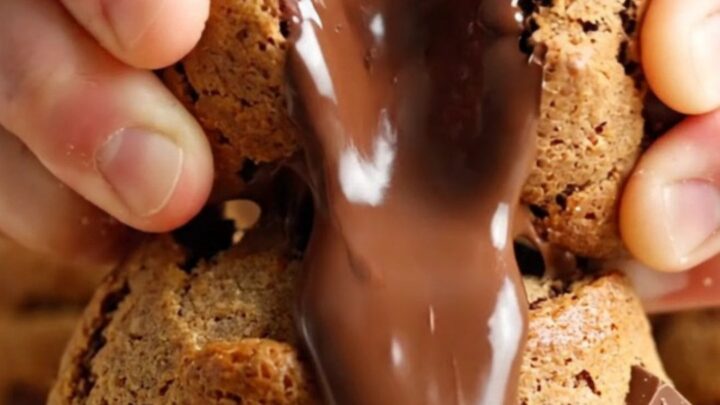
The cookies come out of the oven with golden-brown edges and crackled tops. The centers are puffed and slightly soft. The aroma of caramelized sugar and chocolate fills the kitchen. After cooling for 5 minutes, they are firm enough to lift but still warm. When you break one open, the center is soft and molten, with chocolate oozing out. The contrast between the crisp exterior and the gooey interior is perfect. Serve warm for the best experience.
Common mistakes
One common mistake is overmixing the dough, which develops gluten and results in tough, flat cookies. Mix until just combined. Another issue is overbaking – even an extra minute can dry out the center. Stick to the 10-minute bake time.
If the cookies spread too much, the butter was too warm or the dough was overmixed. Chill the dough balls for 30 minutes if your kitchen is warm. Finally, don't skip the parchment paper – it prevents sticking and ensures even browning.
How to tell it’s done
The cookies are done when the edges are golden brown and the tops are crackled and set, but the centers still look slightly soft and underdone. This is exactly what you want – the centers will continue to set as they cool.
If you insert a toothpick into the center, it should come out with some moist crumbs, not clean. The internal temperature of the cookies should reach at least 160°F (71°C) to ensure the eggs are fully cooked. Let them cool on the baking sheet for 5 minutes before transferring to a wire rack.
- Egg dishes: 160°F (71°C) in the thickest part
Up next · Part 3 of 3
4 variations · storage & make-ahead · 5 answers · printable card
Tips, FAQ & printable recipe (Part 3)← Back to the ingredients (Part 1)