Dinner · Part 1 of 3: Ingredients
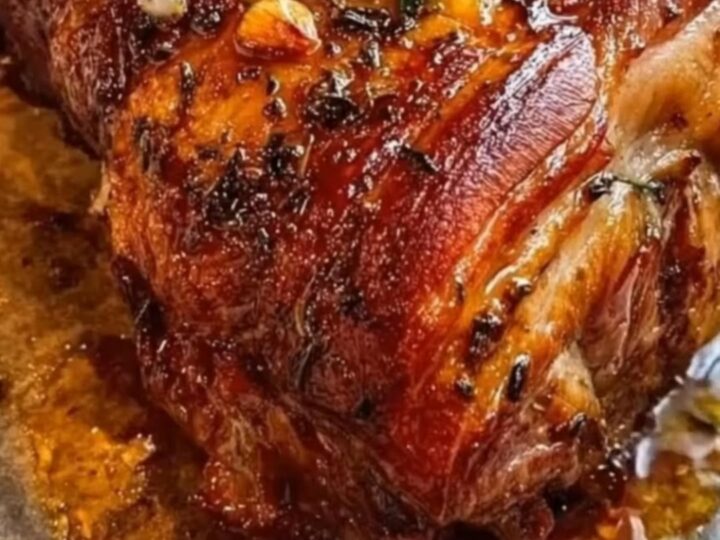
German-Style Crispy Beef Knuckle
- Prep
- Cook
- Total
- Serves
- 4
Master the art of the perfect roast with this German-style beef knuckle. This dish is defined by its dramatic contrast between a shatteringly crisp, blistered exterior and a succulent, melt-in-your-mouth interior.
It is an impressive main course that relies on patience and high-quality ingredients to achieve a result that is both rustic and sophisticated. By focusing on simple preparation, the natural flavors of the beef, garlic, and fresh herbs are allowed to shine, creating an unforgettable dining experience for your family or guests.
The secret to a great beef knuckle lies in the slow-roasting process, which renders the fat and transforms the connective tissue into tender, flavorful meat. This recipe guides you through the process of achieving that signature crackling crust while ensuring the center remains perfectly moist.
Whether you are preparing this for a special weekend dinner or a celebratory meal, the results are consistently rewarding. Follow these steps carefully to ensure the meat is cooked through while maintaining the integrity of the crispy outer layer that makes this dish truly iconic in German culinary traditions.
Ingredients
- 1 piece beef knuckle, about 3-4 lbs
- 1 head garlic, cloves separated and left in skins
- 1 sprig fresh rosemary
Why this recipe works
The slow-roasting method is essential because it allows the internal temperature of the beef to rise gradually. This gentle heat breaks down the tough collagen fibers within the knuckle, turning them into gelatin, which gives the meat its characteristic fall-apart texture. The constant, dry heat of the oven also facilitates the Maillard reaction on the surface, creating the savory, complex flavors that define a perfect roast.
Using parchment paper on the baking pan serves two purposes: it prevents the meat from sticking to the surface and makes cleanup significantly easier. By scattering garlic and rosemary around the base, the fat rendering from the beef infuses the aromatics, which in turn perfume the entire roast. This aromatic steam ensures the meat stays moist while the circulating oven air crisps the skin into a golden, crackling shell.
Notes and substitutions
Select a high-quality beef knuckle with a good amount of fat cap, as this is crucial for moisture and crisping. If the meat is too lean, the exterior may dry out before the interior reaches the desired tenderness.
Ensure you purchase a piece that is fresh and has been properly trimmed by the butcher. If you cannot find a beef knuckle, a pork knuckle is a traditional and delicious alternative that works beautifully with the same roasting technique.
The choice of equipment is straightforward, but a sturdy, heavy-duty baking pan is recommended to withstand the long roasting time. A high-quality chef knife is non-negotiable for carving through the thick, crispy crust once the roast is finished.
Always keep a reliable meat thermometer on hand to monitor the internal temperature accurately, as this is the only way to guarantee the roast is perfectly cooked without over-drying the meat during the long cooking phase.
- beef knuckle: pork knuckle can be used for a more traditional German preparation
- rosemary: thyme or sage sprigs
Equipment
- baking pan
- parchment paper
- chef knife
- meat thermometer
Up next · Part 2 of 3
3 steps · 3 h of cooking · what to look for at each stage
Step-by-step instructions (Part 2)