Breakfast · Part 1 of 3: Ingredients
Garlic Parmesan Hashbrowns: Crispy, Savory, Easy
- Prep
- Cook
- Total
- Serves
- 4
Imagine a hashbrown that shatters with a satisfying crunch, revealing a fluffy, seasoned potato interior. That's exactly what you get with these garlic Parmesan hashbrowns. The secret lies in parcooking the potatoes, squeezing out every drop of moisture, and frying them to a deep golden brown.
With just a handful of pantry staples, you can create a breakfast side or snack that rivals any diner's version. The combination of garlic and Parmesan adds a savory depth that makes these irresistible.
These garlic Parmesan hashbrowns are a game-changer for breakfast or brunch. The method is simple: parcook russet potatoes, grate them, squeeze out the moisture, mix with egg, cornstarch, garlic powder, and Parmesan, then fry until crispy.
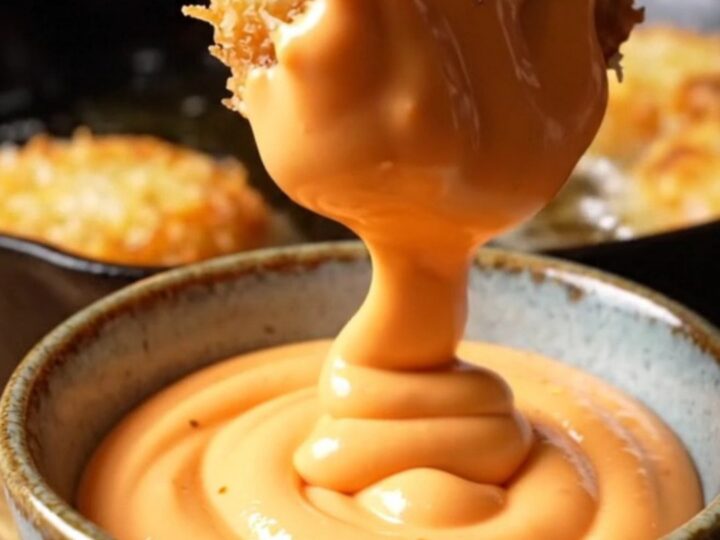
The result is a patty that's shatteringly crispy on the outside and tender inside. Perfect alongside eggs, as a burger topping, or just on their own with a dip. This recipe is quick enough for a weekday morning yet impressive enough for a weekend spread.
Ingredients
- 5 large russet potatoes, peeled
- 1 large egg, beaten
- 2 tbsp cornstarch
- 1 tsp garlic powder
- 1/2 tsp black pepper, freshly ground
- 1/2 cup freshly grated Parmesan cheese
- 1/4 cup vegetable oil, for frying
Why this recipe works
Parcooking the potatoes before grating is a crucial step. It softens the potatoes just enough to make them easy to grate while keeping them firm enough to hold their shape. This prevents the hashbrowns from becoming mushy and ensures a light, fluffy interior. The brief boil also helps to remove excess starch, which contributes to a crispier exterior.
Squeezing out all the moisture from the grated potatoes is the key to achieving that coveted crunch. Any excess water will steam the potatoes as they fry, resulting in soggy hashbrowns.
By using a clean towel to wring out the shreds, you remove the moisture that would otherwise hinder crispiness. The combination of egg and cornstarch then binds the potatoes together while adding structure.
Notes and substitutions
For the best results, use russet potatoes because they are high in starch and low in moisture, which yields a fluffy interior and a crispy crust.
Yukon Golds are a good substitute, but they may produce slightly less crisp results. The Parmesan should be freshly grated from a block; pre-shredded cheese often contains anti-caking agents that can affect texture.
The egg acts as a binder, while cornstarch helps absorb any remaining moisture and adds extra crispness. Garlic powder provides a savory punch without the raw bite of fresh garlic. If you prefer a more pronounced garlic flavor, you can add an extra half teaspoon. The black pepper adds a subtle heat that complements the Parmesan.
- Russet potatoes: Yukon Gold potatoes work well; they are slightly waxy but still crisp nicely.
- Cornstarch: Potato starch can be used in the same amount for a similar crisp texture.
- Parmesan cheese: Pecorino Romano adds a sharper, saltier flavor; reduce added salt if using.
- Vegetable oil: Canola or peanut oil are excellent for frying due to their high smoke points.
Equipment
- Large pot for boiling
- Box grater or food processor with grating disc
- Clean kitchen towel or cheesecloth
- Mixing bowl
- Large skillet
- Spatula
- Paper towels
Up next · Part 2 of 3
6 steps · 20 min of cooking · what to look for at each stage
Step-by-step instructions (Part 2)