Dinner · Part 1 of 3: Ingredients
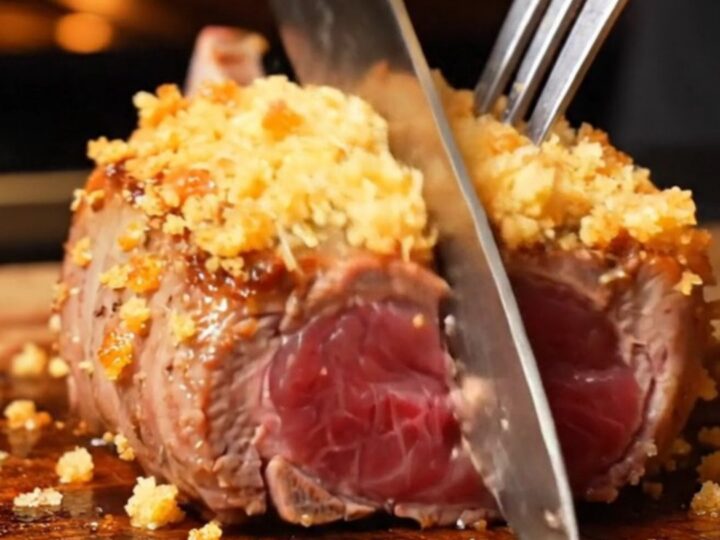
Garlic Parmesan Crusted Lamb Loin Chops
- Prep
- Cook
- Total
- Serves
- 4
Elevate your dinner routine with these garlic parmesan crusted lamb loin chops. This recipe transforms simple, high-quality ingredients into a sophisticated meal that feels like a professional culinary creation. Whether you are hosting a special dinner or simply want to treat yourself to something extraordinary, this dish offers a perfect balance of textures and savory, herbaceous flavors that are sure to satisfy any craving for a hearty and elegant meat course.
The magic of this recipe lies in the contrast between the tender, juicy lamb and the crispy, aromatic crust. By searing the chops first in a hot cast-iron skillet, you lock in the juices and create a flavorful base.
The final broiling step caramelizes the cheese and garlic, creating a golden, crunchy topping that complements the natural richness of the lamb. It is a straightforward, reliable method that consistently yields excellent results, making it an ideal choice for those who appreciate high-impact, low-effort cooking.
Ingredients
Main
- 8 pieces lamb loin chops
Seasoning
- 1 tsp salt
- 1/2 tsp dried oregano
Crust
- 1/2 cup Parmigiano-Reggiano, grated
- 1/3 cup panko breadcrumbs
- 4 cloves garlic, minced
- 1 tbsp fresh rosemary, minced
- 2 tbsp extra virgin olive oil
Why this recipe works
The cast-iron skillet is essential for this recipe because it retains heat exceptionally well, allowing for a perfect sear on the lamb chops. This initial high-heat contact is what creates the Maillard reaction, which is responsible for the deep, complex flavors that define a great piece of seared meat. By searing the fat cap first, you render out the excess fat, ensuring that the final result is succulent rather than greasy.
The crust serves a dual purpose beyond just flavor; it acts as a protective barrier that keeps the lamb moist during the high-heat cooking process. The combination of Parmigiano-Reggiano and panko creates a salty, umami-packed layer that toasts beautifully under the broiler.
Because the lamb chops are relatively thin, this method ensures the interior stays perfectly medium-rare while the exterior achieves a restaurant-style finish that is both visually appealing and texturally satisfying.
Notes and substitutions
For the best results, use high-quality, fresh lamb loin chops. Look for chops with a good amount of marbling and a clean fat cap. If you have trouble finding fresh rosemary, you can use a small amount of dried, but reduce the quantity by half as the flavor is more concentrated.
Freshly grated Parmigiano-Reggiano is superior to pre-grated versions, which often contain anti-caking agents that prevent the cheese from melting and crusting as effectively in this high-heat application.
The cast-iron skillet is the preferred tool here due to its superior heat retention and ability to go from the stovetop directly into the broiler.
If you do not have a cast-iron skillet, a heavy-bottomed, oven-safe stainless steel pan can be used, but avoid non-stick pans as they are generally not designed for the high temperatures required for this method. Always ensure your oven is fully preheated before beginning the broiling phase to guarantee the crust browns evenly without overcooking the meat.
- Panko: Crushed pork rinds for a different texture
- Lamb loin chops: Pork loin chops work well with this same crust
Equipment
- Cast-iron skillet
- Mixing bowl
- Chef knife
- Cutting board
- Meat thermometer
Up next · Part 2 of 3
3 steps · 7 min of cooking · what to look for at each stage
Step-by-step instructions (Part 2)