Dinner · Part 2 of 3: Instructions
Garlic Herb Butter Tomahawk Steak Step-by-step instructions
- Prep
- Cook
- Total
- Serves
- 2
Before you start
Before starting, ensure your kitchen is well-ventilated, as searing meat at high temperatures can generate smoke. Have your meat thermometer, tongs, and a clean cutting board ready.
Pat the steak thoroughly dry, as moisture on the surface will prevent the meat from searing properly.
Verify that your butter and garlic are prepared and within reach, as the basting process moves quickly once the butter begins to foam in the hot skillet.
Ingredients at a glance (3)
- 1 lb bone-in tomahawk steak
- 3 tbsp unsalted butter
- 3 cloves garlic, smashed
Instructions
Initial Sear
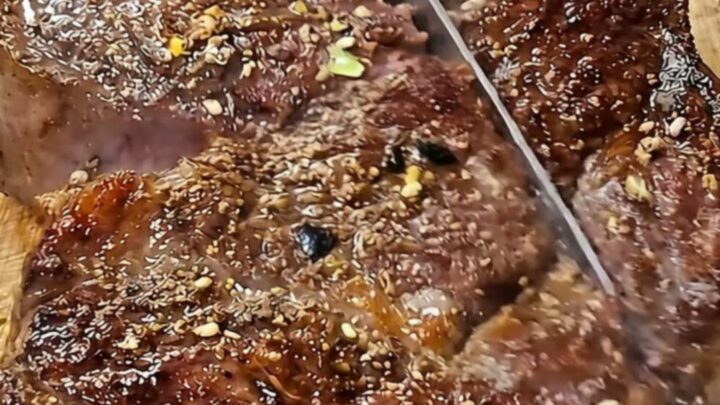
- Sear the SteakRemove the steak from the refrigerator 30 minutes before cooking. Pat the meat dry with paper towels to ensure a good crust. Heat a large cast iron skillet over high heat until smoking. Carefully place the steak in the hot skillet and sear until a deep brown crust forms, about 4 to 5 minutes per side.Look for The steak should have a deep mahogany crust on the exterior.Tip Do not crowd the pan; ensure the skillet is hot enough to hear a loud sear immediately.
The steak should have developed a dark, crusty exterior that releases easily from the pan surface. Ensure the edges are also browned to create a consistent texture throughout the entire piece of meat before moving to the basting stage.
Basting
- Baste with Garlic ButterReduce the heat to medium. Add the butter and smashed garlic cloves to the skillet. Once the butter is melted and foaming, tilt the pan slightly and use a large spoon to continuously baste the steak with the garlic-infused butter for 3 to 5 minutes. This adds deep flavor and helps finish the cooking process evenly.Look for The butter should be foaming and smell intensely aromatic from the garlic.Tip Baste frequently to ensure the flavors penetrate the meat surface effectively.
The butter should be golden and bubbling with the aromatic garlic. The steak will begin to take on a glossy sheen as the butter coats the surface, and the kitchen should smell rich and savory.
Resting
- Finish and RestContinue cooking until the internal temperature reaches 145°F (63°C) for medium-rare. Remove the steak from the skillet and transfer it to a cutting board. Let the meat rest for at least 10 minutes before slicing. This allows the juices to redistribute throughout the fibers, ensuring every bite remains moist and tender when sliced against the grain for service.Look for The meat should feel firm yet springy to the touch.Safe temperature 145°F (63°C) internal temperature (steaks, chops and roasts)Tip Always use a meat thermometer inserted into the thickest part to confirm safety.
The steak must rest on a warm plate or board for at least 10 minutes. During this time, the internal juices stabilize, ensuring the meat remains tender and flavorful when you finally slice into it for serving.
Common mistakes
Avoid moving the steak too early during the initial sear; let it sit undisturbed to develop a proper crust. Do not skip the resting phase, as slicing too quickly causes the juices to run out, leaving the meat dry.
Ensure the pan is sufficiently hot before adding the steak to avoid steaming the meat instead of searing it. Finally, do not burn the garlic during basting; keep the heat at medium to prevent bitterness.
How to tell it’s done
To check for doneness, insert a meat thermometer into the thickest part of the steak, avoiding the bone. For medium-rare, look for an internal temperature of 145°F (63°C).
The meat should look deep pink in the center, with a dark, caramelized crust on the exterior. It should feel firm but yielding when pressed gently with your finger.
- Steaks, chops and roasts: 145°F (63°C) in the thickest part, then a 3-minute rest
Up next · Part 3 of 3
2 variations · storage & make-ahead · 3 answers · printable card
Tips, FAQ & printable recipe (Part 3)← Back to the ingredients (Part 1)