Dinner · Part 2 of 3: Instructions
Garlic Herb Butter Pan-Seared Arctic Char with Blistered Tomatoes Step-by-step instructions
- Prep
- Cook
- Total
- Serves
- 2
Before you start
Start by taking the arctic char out of the refrigerator only when you are ready to cook, and no earlier than about 30 minutes before the pan goes on the heat. Raw fish should stay chilled until it is needed, so do not let it sit on the counter while you prepare the other ingredients.
Pat both fillets dry with paper towels, then make three shallow diagonal cuts through the skin of each one, taking care not to cut into the flesh. Season the fish generously with kosher salt and black pepper on both sides. Next, set up your station on a wooden cutting board. Finely mince the garlic cloves, strip the dill fronds and chop them, and snip the chives into small rings.
Ingredients at a glance (10)
- 2 arctic char fillets, skin-on (about 6 oz each)
- kosher salt, to taste
- freshly ground black pepper, to taste
- 4 tbsp unsalted butter
- 4 cloves garlic, finely minced
- 2 sprigs fresh dill, plus more for garnish
- 1 cup cherry tomatoes on the vine
- 2 tbsp fresh chives, snipped into small rings
- 1/4 cup finely grated hard aged cheese, such as Parmesan or aged Gouda
- 1 tbsp neutral oil, such as canola or grapeseed
Instructions
Melt, sear and build the sauce
- Score the fish and prepPat the arctic char fillets dry with paper towels. Make three shallow diagonal cuts through the skin of each fillet, without cutting into the flesh. Season both sides generously with kosher salt and black pepper, and keep the fish refrigerated until the pan is ready.Look for Skin looks dry and matte, with light diagonal scoresTip Dry skin browns and crisps far better than damp skin.
- Mince the garlic and dillFinely mince the garlic cloves. Strip the dill fronds from the stems and chop them coarsely. Snip the chives into small rings with kitchen shears or a sharp knife, and set the herbs aside in separate piles on the board.Look for Garlic is a fine paste-like mince, herbs bright greenTip Mince the garlic just before using it so it stays fragrant.
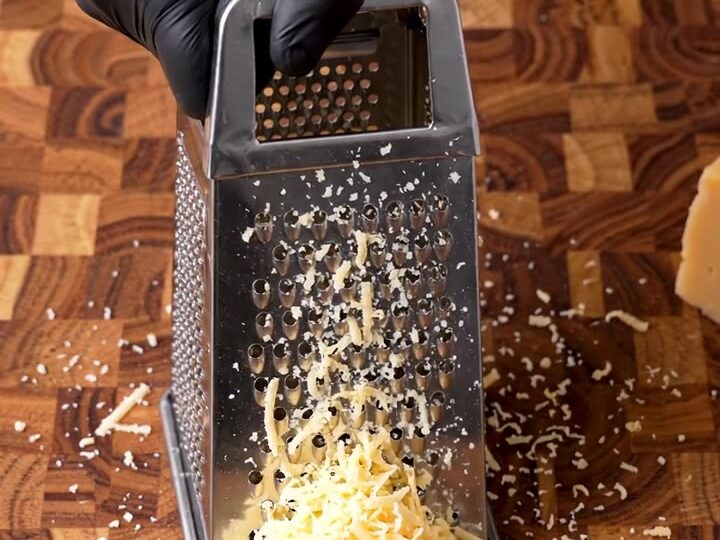
- Grate the aged cheeseUsing the fine side of a box grater, shred the hard aged cheese into a fine pile. Keep it covered and set it aside, since it is used only as the finishing garnish.Look for Cheese falls into a light, fluffy pileTip Grate the cheese just before serving so it stays dry and fresh.
At the end of this phase, the butter should have melted, foamed and turned lightly golden, and the garlic should smell toasty and nutty without any dark brown color. The arctic char skin should be sizzling loudly in the pan, with the flesh turning opaque from the bottom edge upward. The pan should be bubbling but not smoking. Before you move on, check that the skin has not curled and that the fillets lie flat. If the butter starts to darken too quickly, lower the heat slightly so the sauce stays golden and the garlic does not turn bitter, then keep going with the next step.
Add tomatoes and baste
- Melt the butter to a foamSet the cast iron skillet over medium-high heat and add the oil. Add the butter and let it melt, swirling the pan, until it foams and turns lightly golden. Stir in the minced garlic and the dill sprigs, and cook for about 30 seconds until the garlic smells toasty.Look for Butter foams, then the garlic turns golden and smells nuttyTip Watch closely so the garlic does not darken or turn bitter.
- Sear the fish skin-side downLay the arctic char fillets skin-side down in the herbed butter, pressing gently with a spatula for a few seconds so the skin stays flat. Cook without moving them until the skin sizzles and the color rises up the sides of the fillets, about 4 to 5 minutes.Look for Skin sizzles loudly and the flesh turns opaque from the bottom upTip Press the fillets gently at the start to prevent the skin from curling.
- Add tomatoes and baste the fishTuck the cherry tomatoes on the vine around the fillets. Spoon the herbed garlic butter continuously over the fish and tomatoes while they cook, until the skin is crisp and the flesh is opaque about two-thirds of the way up the sides.Look for Skin is crisp and golden, butter is bubbling around the fishTip Keep the butter moving with the spoon so the fish cooks evenly.
At the end of this phase, the skin should look crisp and golden, the cherry tomatoes should be warming and beginning to soften around the fillets, and the herbed butter should be bubbling gently at the edges of the pan. Look for the flesh becoming opaque about two-thirds of the way up the sides of each fillet. You should be able to lift a fillet with a spatula without the skin tearing. Keep spooning the butter continuously over the fish and vegetables, and make sure no garlic is sitting dry in the pan. Once the crust looks even, you are ready to flip the fish.
Flip, finish and serve
- Flip, baste and finish cookingFlip the fillets with tongs and cook the flesh side for 1 to 2 minutes. Return the garlic, tomatoes and herbs to the pan and spoon the sauce over everything, basting until the tomatoes soften and blister and the fish is cooked through at the thickest part.Look for Tomatoes split and blister, fish flakes gently with a forkSafe temperature 145°F (63°C) internal temperature (fish)Tip Lower the heat slightly if the butter browns too quickly.
- Plate and garnishTransfer the fillets to warm plates, skin side up. Spoon the buttery tomato garlic sauce over each fillet and add the blistered tomatoes alongside. Scatter fresh dill and chives over the top, then finish with a shower of the grated aged cheese, and serve right away.Look for Crisp skin glistens under the sauce, cheese starts to meltTip Serve immediately so the skin stays crisp.
At the end of this phase, the fish should flake gently with a fork at its thickest point, the cherry tomatoes should have split and blistered in the buttery sauce, and the garlic and dill should be fragrant and glossy. Check the thickest part of the fillet with an instant-read thermometer before serving; it should reach at least 145°F (63°C).
The sauce should coat the fish with a light sheen rather than pooling heavily. Once the fish is cooked through, move the plates to the stove, transfer the fillets skin side up and spoon the sauce over each one. Serve right away, while the skin is still crisp.
Common mistakes
The most common mistake is putting the fish into a pan that is not hot enough. The skin needs an immediate sizzle, and if the pan is too cool, the fish sticks and the skin turns soft and pale. Preheat the skillet over medium-high heat before adding the oil and butter, and then wait for the butter to foam before laying the fillets down. Another frequent problem is burning the garlic.
Garlic that is minced finely and left in very hot butter can darken within seconds, which makes the sauce bitter. Add it once the butter has foamed, lower the heat if needed, and keep the butter moving. Avoid flipping the fish too early. The skin needs time to release from the pan once it has crisped, so if the fillet resists, give it another minute.
How to tell it’s done
The fish is done when the flesh has turned opaque all the way through and flakes easily with a fork at the thickest point. The best way to confirm is an instant-read thermometer inserted into the thickest part of the fillet, away from the bone. It should read at least 145°F (63°C), which is the safe internal temperature for fish.
The skin should be golden and crisp, and it should release easily from the pan when the fillet is ready to flip. The cherry tomatoes should have softened, split and blistered, and the garlic butter should be glossy and bubbling. If the fish is still translucent in the center, return it to the pan skin side up for another minute, basting as you go, then check again.
- Fish: 145°F (63°C) in the thickest part
Up next · Part 3 of 3
4 variations · storage & make-ahead · 5 answers · printable card
Tips, FAQ & printable recipe (Part 3)← Back to the ingredients (Part 1)