Dinner · Part 2 of 3: Instructions
Garlic Butter White Wine Clam Linguine Step-by-step instructions
- Prep
- Cook
- Total
- Serves
- 4
Before you start
Before starting, clean the clams by scrubbing them under cold running water and discarding any that are open or cracked. Slice the garlic thinly and chop the parsley. Juice the lemon.
Measure out the wine, olive oil, and red pepper flakes. Bring a large pot of salted water to a boil for the pasta. Have the butter cold and ready. Set a large skillet with a lid nearby.
Ingredients at a glance (10)
- 1 kg fresh littleneck clams, cleaned
- 350 g linguine pasta
- 4 tbsp extra virgin olive oil
- 40 g unsalted butter, cold
- 6 cloves garlic, sliced thin
- 1/2 tsp red pepper flakes
- 150 ml dry white wine (Pinot Grigio)
- 1/2 cup fresh Italian parsley, chopped
- 1/2 lemon lemon, juiced
- Sea salt, to taste
Instructions
Cook the pasta and aromatics
- Cook the linguineBring a large pot of generously salted water to a rolling boil. Add the linguine and cook according to package directions until just al dente, about 1 minute less than the suggested time. Reserve about 1 cup of pasta water before draining. Drain the pasta and set aside.Look for The pasta should be tender but still firm to the bite.Tip The reserved pasta water helps loosen the sauce later.
- Sauté garlic and chiliIn a large skillet, heat the extra virgin olive oil over medium-low heat. Add the sliced garlic and red pepper flakes. Cook gently, stirring often, until the garlic is fragrant and just golden, about 2 to 3 minutes. Do not let it brown or burn.Look for The garlic should be lightly golden and aromatic.Tip Low heat prevents the garlic from turning bitter.
The pasta should be al dente and drained, with a cup of starchy water reserved. The garlic and red pepper flakes should be fragrant and lightly golden in the olive oil, not browned. The aroma should be garlicky and slightly spicy.
Steam clams and build sauce
- Steam the clamsAdd the cleaned littleneck clams to the skillet in a single layer. Pour in the dry white wine. Cover the skillet with a lid and let the clams steam over medium heat for about 5 minutes, shaking the pan occasionally, until the clams have opened wide.Look for The clams should be fully open; discard any that remain closed.Safe temperature 145°F (63°C) internal temperature (shellfish)Tip The wine and clam juices create a briny broth.
- Toss with butter, lemon, and parsleyReduce the heat to low. Add the cold butter, lemon juice, and chopped parsley to the skillet. Stir gently until the butter melts and emulsifies with the wine and clam juices. Add the drained linguine and toss everything together, using tongs, until the pasta is well coated. Add a splash of reserved pasta water if the sauce needs thinning.Look for The sauce should look glossy and cling to the pasta.Tip Cold butter helps create a smooth emulsion.
The clams should have opened wide, releasing their briny liquor into the wine. The broth should be steaming and aromatic, with a slightly reduced, flavorful liquid. Discard any unopened clams.
Finish and serve
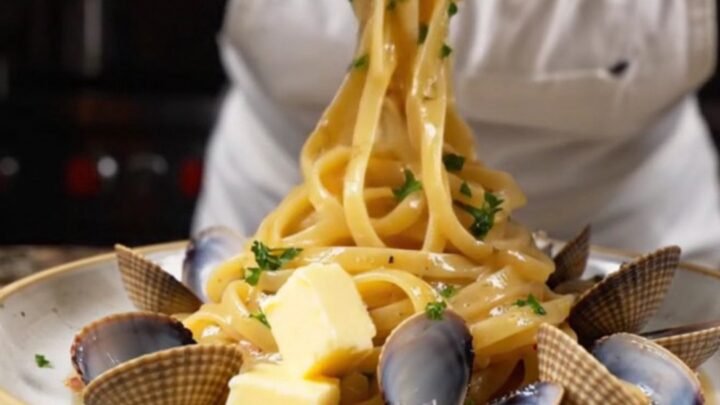
- Plate and serveTwirl a portion of linguine into a nest in each warm bowl. Arrange the open clams around the pasta. Drizzle any remaining pan juices over the top. Serve immediately, with extra parsley or red pepper flakes if desired.Look for The clams should be nestled in the pasta and glistening.Tip Warm bowls keep the pasta hot longer.
The butter should be fully melted and emulsified into the wine and clam juices, creating a glossy, slightly thickened sauce.
The linguine should be well coated and the clams nestled throughout. The dish should look vibrant with parsley and glisten with the buttery sauce.
Common mistakes
A common mistake is overcooking the garlic, which turns bitter. Keep the heat low and stir frequently until just golden. Another pitfall is overcrowding the skillet; if the clams are piled too high, they won’t steam evenly.
Use a large pan or cook in batches. Also, don’t skip the reserved pasta water — it’s essential for loosening the sauce to the right consistency.
How to tell it’s done
The clams are done when their shells have opened wide, which indicates they’re cooked through and safe to eat. The internal temperature should reach 145°F (63°C).
Discard any clams that remain closed after steaming. The pasta should be al dente — tender but still firm to the bite. The sauce should be glossy and lightly coat the back of a spoon.
- Shellfish: 145°F (63°C) in the thickest part
Up next · Part 3 of 3
4 variations · storage & make-ahead · 5 answers · printable card
Tips, FAQ & printable recipe (Part 3)← Back to the ingredients (Part 1)