Dinner · Part 3 of 3: Tips & recipe card
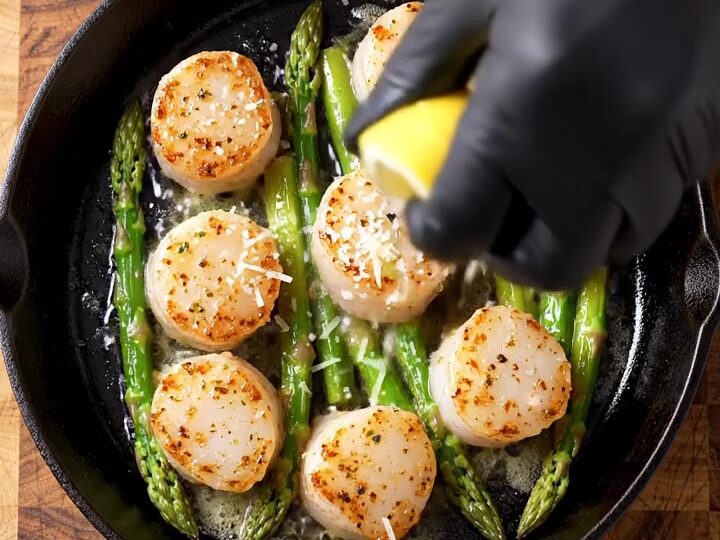
Homemade Garlic Butter Seared Sea Scallops Asparagus Tips, FAQ & printable recipe
- Prep
- Cook
- Total
- Serves
- 4
Tips for success
For the best flavor, use freshly grated parmigiano-reggiano and real Italian seasoning. If the sauce becomes too thick, loosen it with a splash of heavy cream or a little pasta water.
To keep the salmon moist, do not simmer it in the sauce for more than a few minutes; it only needs to warm through. Serve with a side of crusty bread to soak up every drop of sauce.
This dish is versatile: you can add a pinch of red pepper flakes for heat, or stir in a squeeze of lemon juice at the end for brightness. If you prefer a thicker sauce, let it bubble a bit longer before adding the salmon.
For a more decadent version, add a tablespoon of cream cheese along with the heavy cream. Always taste and adjust seasoning before serving.
Variations
- Spicy Tuscan Salmon: Add 1/2 teaspoon of red pepper flakes along with the garlic for a gentle heat. Or stir in a teaspoon of chili paste with the sun-dried tomatoes. The spice contrasts nicely with the creamy sauce.
- Lemon Herb Salmon: Add the zest of one lemon and a tablespoon of fresh lemon juice to the sauce just before serving. Swap the Italian seasoning for a mix of dried oregano and thyme, and garnish with fresh dill or parsley.
- Mushroom and Kale Salmon: Sauté 8 ounces of sliced cremini mushrooms with the garlic until browned, then proceed with the sauce. Replace the spinach with chopped kale, adding it a minute earlier to allow it to soften.
- Dairy-Free Tuscan Salmon: Use a dairy-free butter substitute and full-fat coconut cream in place of heavy cream. Omit the parmesan or use a dairy-free parmesan-style shred. The sauce will have a slightly different flavor but still be creamy.
Storage and make-ahead
- Fridge
- Store leftovers in an airtight container in the fridge for up to 3 days. Reheat gently on the stovetop, adding a splash of cream if needed.
- Freezer
- Not recommended; the cream sauce may separate upon thawing.
- Reheat
- Reheat in a skillet over low heat, stirring occasionally, until warmed through. Add a splash of cream or water to restore the sauce's consistency.
Store leftover creamy Tuscan garlic parmesan salmon in an airtight container in the refrigerator for up to 3 days. The sauce will thicken when chilled; reheat gently on the stovetop over low heat, adding a splash of cream or water to loosen it.
The salmon may become more delicate after reheating, so handle it gently. Do not freeze, as the cream sauce may separate.
The salmon can be seasoned and cut into cubes up to a day in advance; keep it covered in the refrigerator. The sun-dried tomatoes can be chopped and the garlic minced ahead of time.
The sauce is best made fresh, but you can prepare the entire dish and keep it warm for up to 30 minutes before serving. For longer storage, reheat gently.
Serving ideas
Serve the creamy Tuscan garlic parmesan salmon hot, spooned over cooked pasta, creamy polenta, or mashed potatoes. It also pairs well with steamed rice or crusty bread to soak up the sauce. A simple green salad with a lemony vinaigrette balances the richness.
For a low-fuss meal, serve the salmon in shallow bowls with the sauce spooned over the top and a sprinkle of fresh parsley or basil. Offer extra grated parmesan at the table for those who want more. The dish is substantial enough to stand alone, but it also works as part of a larger Italian-inspired spread.
Frequently asked questions
Can this recipe be made with chicken instead of salmon?
Why does the parmesan sauce sometimes turn grainy?
Can the heavy cream be replaced with half-and-half?
How should leftovers be reheated without drying out the salmon?
What can be served with this creamy Tuscan salmon?
Homemade Garlic Butter Seared Sea Scallops Asparagus
Ingredients
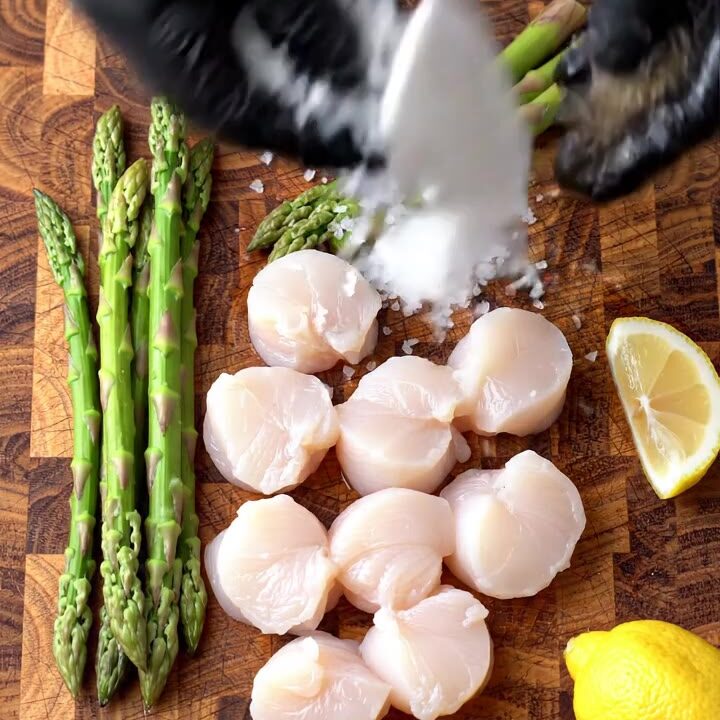
- 1 1/2 lb Atlantic salmon fillet, skin removed, cut into 1-inch cubes
- 2 tsp Italian seasoning
- 1/2 tsp kosher salt
- 1/4 tsp black pepper
- 2 tbsp unsalted butter
- 4 cloves garlic, minced
- 1 1/2 cups heavy cream
- 1/2 cup sun-dried tomatoes in oil, drained and chopped
- 3 cups baby spinach
- 1/2 cup freshly grated parmigiano-reggiano cheese
Instructions
- Cut the salmon fillet into thick 1-inch cubes. Pat the cubes dry with paper towels. In a small bowl, stir together the Italian seasoning, salt, and black pepper. Sprinkle the seasoning mixture over the salmon cubes and toss gently to coat evenly. Grate the parmigiano-reggiano cheese finely; set aside.
- Heat a large skillet over medium-high heat. Add the butter and let it melt until foamy. Carefully place the salmon cubes in the skillet in a single layer. Sear for 2-3 minutes per side, turning gently, until golden brown on all sides. The salmon should be just cooked through but still moist. Transfer the salmon to a plate and set aside.
- Reduce the heat to medium. Add the minced garlic to the same skillet and cook, stirring, for 30 seconds until fragrant. Pour in the heavy cream and bring to a gentle simmer, scraping up any browned bits from the bottom of the pan. Let the cream bubble for 2-3 minutes until it thickens slightly.
- Stir in the sun-dried tomatoes and baby spinach. Cook for 1-2 minutes, stirring, until the spinach wilts. Gradually sprinkle in the grated parmesan cheese, stirring constantly, until the cheese melts and the sauce is smooth and creamy.
- Gently place the seared salmon cubes back into the skillet, nestling them into the sauce. Spoon some of the sauce over the top of the salmon. Let everything simmer together for 2-3 minutes, until the salmon is heated through and the sauce has thickened to your liking.
- Remove the skillet from the heat. Spoon the creamy Tuscan garlic parmesan salmon onto plates or into a serving dish. Serve hot, with extra sauce spooned over the top. Optionally, garnish with additional grated parmesan or fresh herbs, if desired.
Estimated nutrition per serving
- Calories
- 680
- Protein
- 38 g
- Carbohydrates
- 12 g
- Fat
- 54 g
Next recipe
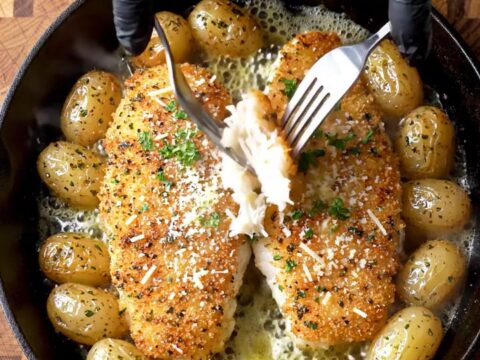
Crispy Lemon Garlic Butter Cod and Potatoes
See the recipe → →This recipe is based on a short cooking video and is published under the pen name Clara Weller. It was checked before publication, but errors can slip through. Nutrition, when shown, is an estimate. Read more in our editorial policy and on our food safety page.
More recipes to try
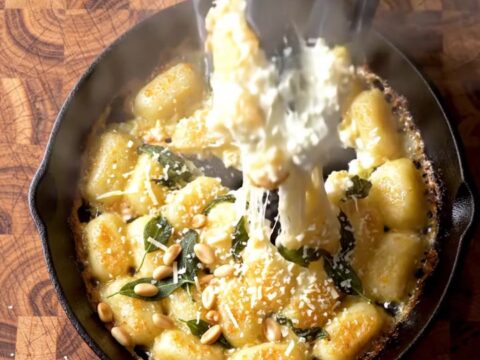
Brown Butter Gnocchi with Crispy Sage and Shrimp
Total time: 35 min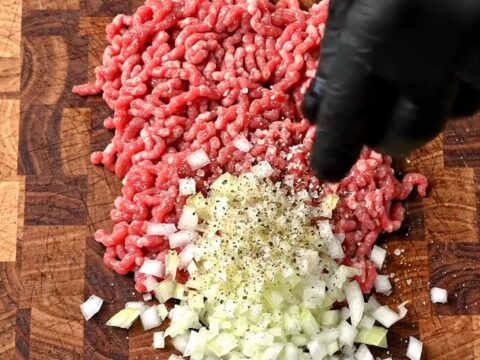
Crispy Loaded Smash Burger Animal Style Wrap in 25 Minutes
Total time: 25 min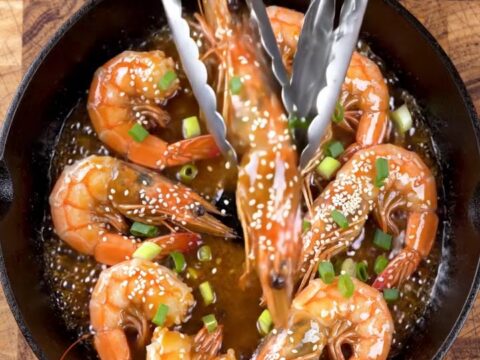
Honey Sriracha Glazed Prawns with Charred Baby Bok Choy
Total time: 18 min
Crispy Bacon Jalapeño Chicken Quesadilla
Total time: 35 min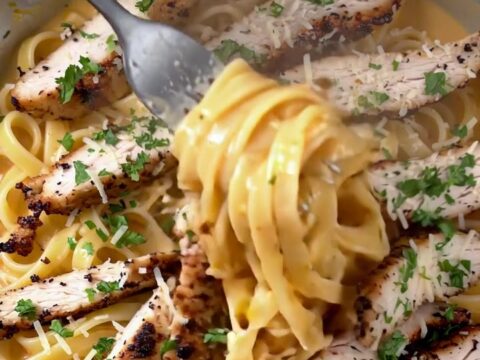
Blackened Chicken Cajun Alfredo Fettuccine
Total time: 30 min