Dinner · Part 2 of 3: Instructions
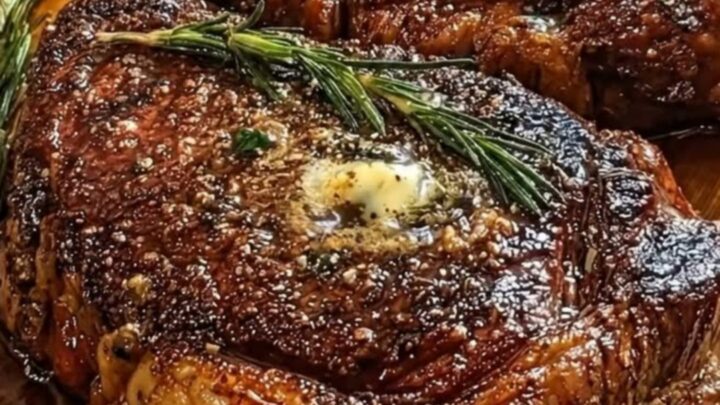
Garlic Butter Ribeye Steaks for a Perfect Restaurant-Style Dinner Step-by-step instructions
- Prep
- Cook
- Total
- Serves
- 3
Before you start
Before beginning, ensure your workspace is organized and the ventilation is turned on, as high-heat searing will produce smoke. Have all ingredients measured and ready, as the searing process moves quickly once the pan is hot.
Place the cutting board and a large spoon nearby so that the transition from the pan to the resting surface is seamless. Keep the steaks in the refrigerator until you are ready to start the cooking process to ensure they remain at a safe temperature.
Ingredients at a glance (4)
- 3 ribeye steaks, about 1-inch thick
- 3 tbsp unsalted butter
- 3 cloves garlic, smashed
- 2 sprigs fresh rosemary
Instructions
Steak Preparation
- Prepare the steaksPat the ribeye steaks dry with paper towels to ensure a perfect sear. Keep the steaks refrigerated until you are ready to cook to ensure food safety. Prepare your workspace by ensuring the skillet is clean and your tools are within reach for the high-heat searing process.Look for The exterior surface is completely dryTip Removing moisture from the surface is the most important step for getting a deep, brown crust in a hot pan.
The steaks should be completely dry on the surface. Ensure the cutting board is clean and ready for the finished product. The skillet should be placed on the burner and preheated until it is hot enough to sear the meat effectively.
Confirm that all ingredients are measured and within reach to ensure a smooth transition from searing to basting without any delays.
Searing and Basting
- Sear and basteHeat a heavy cast-iron skillet over high heat until it is smoking slightly. Carefully place the steaks in the hot pan. Sear undisturbed for 3 to 4 minutes until a deep, dark crust forms. Flip the steaks and add the butter, smashed garlic, and rosemary sprigs to the skillet. Once the butter melts and foams, use a large spoon to baste the steaks repeatedly with the hot, aromatic butter for 3 to 4 minutes.Look for Butter is foaming and fragrantTip Basting with the flavored butter infuses the meat with savory notes and keeps the edges tender as the crust develops.
The steaks should have a dark, mahogany-colored crust on both sides. The butter in the pan should be bubbling, golden, and fragrant with the scent of garlic and rosemary. The meat should feel firm yet springy when pressed with tongs, indicating that the heat has penetrated the center while maintaining a juicy interior consistency throughout the process.
Resting and Serving
- Rest and serveRemove the steaks from the skillet once they reach an internal temperature of 145°F (63°C). Place the steaks on a wooden cutting board and pour the remaining garlic butter from the pan over the top. Let the steaks rest for at least 3 minutes before slicing to allow the juices to redistribute throughout the meat, ensuring every bite remains tender and flavorful.Look for Juices redistribute and meat is tenderSafe temperature 145°F (63°C) internal temperature (steaks, chops and roasts)Tip Resting is essential to prevent juices from running out onto the board when the meat is sliced.
The steak is finished when it has rested for at least 3 minutes, allowing the surface juices to stabilize. The meat should be tender and easy to slice, with a clear, pinkish juice visible when cut. The garlic-infused butter on the board should be ready to spoon over the sliced steaks, providing a final layer of moisture and flavor.
Common mistakes
A common mistake is overcrowding the pan, which lowers the temperature and causes the meat to steam instead of sear. Cook the steaks in batches if the skillet is small. Another error is using a pan that is not hot enough; the oil should shimmer and the pan should be smoking slightly before the meat is added.
Finally, failing to let the steak rest after cooking is a critical oversight, as it prevents the juices from being reabsorbed, leading to a dry and disappointing result on the plate.
How to tell it’s done
The ideal doneness for a ribeye steak is medium-rare to medium, which occurs when the internal temperature reaches 145°F (63°C). Use a meat thermometer to check the thickest part of the steak. The exterior should appear dark brown and slightly charred, while the interior should remain juicy and tender.
If the steak feels soft and yielding to the touch, it is likely still underdone; if it feels firm and resistant, it has moved toward well-done. Always rely on the thermometer for the most accurate and safe result.
- Steaks, chops and roasts: 145°F (63°C) in the thickest part, then a 3-minute rest
Up next · Part 3 of 3
2 variations · storage & make-ahead · 3 answers · printable card
Tips, FAQ & printable recipe (Part 3)← Back to the ingredients (Part 1)