Dinner · Part 2 of 3: Instructions
Garlic Butter Clam and Prawn Skillet in One Pan Step-by-step instructions
- Prep
- Cook
- Total
- Serves
- 2
Before you start
Gather everything before you turn on the heat, because the skillet moves fast once the prawns hit the butter. Scrub the clams under cold running water and discard any with cracked shells or any that stay open when tapped. Dice the cherry tomatoes finely, mince the garlic, and chop the parsley into a small bowl.
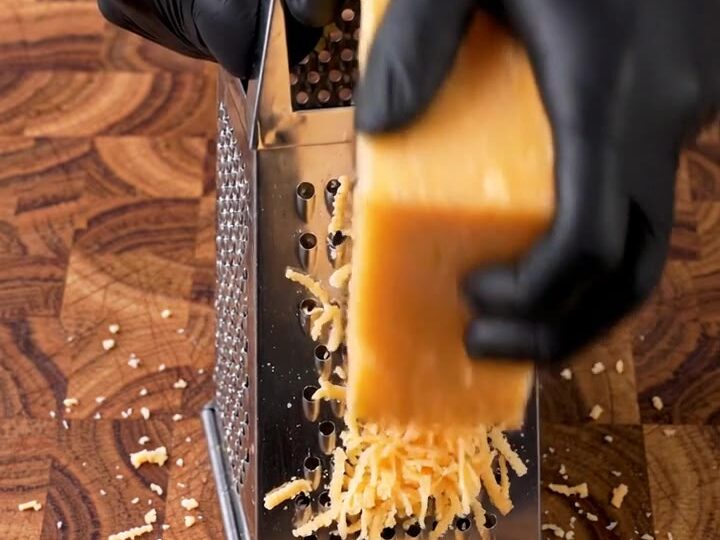
Grate the aged hard cheese over a box grater so it is ready to sprinkle at the end. Measure the white wine, cut the butter into pieces, and set the lid beside the stove. Keep the raw prawns in the refrigerator until the pan is hot, and have a clean plate ready for the cooked shellfish. Good preparation keeps the garlic from burning and the prawns from waiting too long at room temperature.
Ingredients at a glance (9)
- 1 lb fresh clams, scrubbed
- 8 raw whole prawns, shells on or peeled and deveined
- 4 cloves garlic, minced
- 4 tbsp unsalted butter
- 1/2 cup dry white wine
- 6 cherry tomatoes, finely diced
- 1/4 cup fresh parsley leaves, chopped
- 2 tbsp finely grated aged hard cheese, such as Parmesan, for serving
- kosher salt to taste
Instructions
Cook the prawns in garlic butter
- Prepare the seafood and aromaticsScrub the clams under cold running water and discard any with cracked shells or that stay open when tapped. Dice the cherry tomatoes finely, mince the garlic, and chop the parsley. Keep the raw prawns in the refrigerator until the pan is hot, and keep them cold until they go in.Look for Clams are clean, tomatoes and garlic are finely cut, and all ingredients are ready on the board.Tip Set the chopped parsley aside in a small bowl so it is ready for the final toss.
The prawns should be pink on the outside and opaque all the way through, curled into loose C shapes, with the thickest part reaching 145°F (63°C). The melted butter should look golden and smell of sweet garlic, not bitter or browned. Before moving on, check one prawn by cutting into its thickest part; if any flesh still looks translucent, give it another minute over medium heat.
Keep the heat moderate so the garlic softens without taking on colour. The prawns should be set and springy to the touch, not rubbery. Only when they look uniformly pink and opaque should the clams go into the pan, so the shellfish cook in the right order and the sauce begins with the flavour of the garlic and butter.
Reduce the wine into sauce
- Cook the prawns in garlic butterMelt the butter in the cast iron skillet over medium heat. Add the minced garlic and stir for about 30 seconds until fragrant. Arrange the prawns around the pan in a single layer and cook, turning once, until they turn pink and opaque and the thickest part reaches 145°F (63°C).Look for Prawns turn pink and opaque, and the garlic smells sweet, not browned.Safe temperature 145°F (63°C) internal temperature (shellfish)Tip Lower the heat if the garlic starts to colour before the prawns are ready.
- Add the clams and white wineScatter the clams into the pan and pour in the white wine. Stir with a wooden spoon as the liquid bubbles and reduces into a glossy, buttery sauce, about 2 minutes. Cover the skillet and cook for 3 to 4 minutes, until the clams open.Look for The wine has reduced by about half and the sauce looks glossy and buttery.Tip Discard any clam that stays closed after cooking.
Once the clams are in and the wine is poured, the liquid should bubble steadily and reduce by roughly half within about two minutes. The sauce should look glossy and buttery, coating a spoon rather than running off it. Stir gently so the clams and prawns are coated on every side without breaking the prawns apart. A strong, sharp smell of alcohol should fade as the wine cooks down. Then cover the skillet and cook for three to four minutes. Check after that time: most clams should have opened, and any that are still closed need a little more time under the lid. Discard any that stay shut after another minute.
Finish with tomatoes and parsley
- Finish and serve in the skilletRemove the lid and toss the skillet with tongs so the prawns and clams are coated in sauce. Add the diced tomatoes and chopped parsley, season lightly with kosher salt, and toss once more. Serve straight from the skillet, topped with the grated aged cheese.Look for Shells are fully open, prawns are curled, and the tomatoes are just warmed through.Tip Taste the sauce before adding salt, since the clams release natural brine.
When the lid comes off, the shells should be fully open, the prawns curled, and the sauce still glossy. Toss the skillet with tongs so the seafood is evenly coated and the sauce clings. The diced tomatoes should be just warmed through and the parsley bright green, not wilted into the sauce. Taste the sauce before adding salt, because clams release their own brine and the cheese adds savoury depth. Season lightly with kosher salt, toss once more, and carry the skillet straight to the table. The finished pan should look bright, golden and fresh, ready for grated cheese and crusty bread.
Common mistakes
The most common mistake is overcooking the prawns and clams. Prawns become tough within a minute or two once they are opaque, and clams that stay on the heat too long toughen and shrink in their shells. Watch the colour and the shells rather than the clock, and pull the pan from the heat as soon as the clams open. The second mistake is burning the garlic.
Garlic turns bitter in seconds once it browns, so keep the heat at medium and stir the moment it smells fragrant. A third issue is adding salt too early: clams release brine, so tasting first prevents an overly salty sauce. Finally, do not crowd the pan with more shellfish than it can hold in one layer, or the prawns will steam rather than cook evenly.
How to tell it’s done
Prawns are done when they are pink and opaque all the way through, curled into a loose C shape, and the thickest part reaches 145°F (63°C) on an instant-read thermometer. Clams are done when their shells have fully opened; discard any that stay closed after cooking, or that were already open before cooking and do not close when tapped.
The sauce is done when it has reduced by about half and looks glossy and buttery, coating the back of a spoon. Taste a clam for texture: it should be tender and slightly firm, never rubbery. These visual and temperature checks together show that the shellfish is safe to eat and the sauce is ready to serve.
- Shellfish: 145°F (63°C) in the thickest part
Up next · Part 3 of 3
4 variations · storage & make-ahead · 5 answers · printable card
Tips, FAQ & printable recipe (Part 3)← Back to the ingredients (Part 1)