Dinner · Part 1 of 3: Ingredients
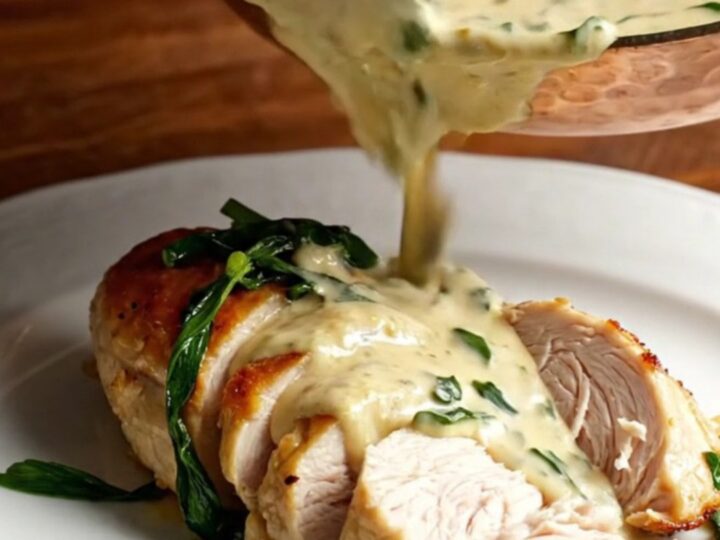
Elegant French Poulet à l’Estragon with Creamy Dijon Tarragon Sauce
- Prep
- Cook
- Total
- Serves
- 4
Elevate your dinner routine with the sophisticated flavors of French bistro cooking. This Poulet à l'Estragon recipe combines perfectly seared chicken supremes with a lush, fragrant cream sauce that balances sharp Dijon mustard, crisp white wine, and the unique, anise-like aroma of fresh French tarragon.
It is the perfect centerpiece for a quick yet impressive meal that feels like a special occasion, bringing authentic culinary technique right to your home kitchen without the fuss of complicated preparation or hours spent standing over the stove.
Poulet à l'Estragon is a definitive French classic, celebrated for its marriage of tender poultry and an herb-forward cream sauce. This version focuses on the essential elements: high-quality chicken, fresh tarragon, and a balanced mustard cream.
The method relies on pan-searing to build a flavorful foundation in the skillet, which is then deglazed to create a rich sauce that clings beautifully to the meat. It is a dish that rewards precision and simplicity, making it a reliable favorite for any cook seeking to master the fundamentals of pan-sauce preparation and flavor layering.
Ingredients
Chicken
- 4 chicken breast supremes
Seasoning
- 1 tsp sea salt
- 1/2 tsp white pepper
Cooking
- 2 tbsp clarified butter
- 1 tbsp shallots, finely minced
Sauce
- 1/2 cup Chardonnay
- 2 tbsp Dijon mustard
- 3/4 cup crème fraîche
- 3 tbsp fresh French tarragon, chopped
Why this recipe works
The method of deglazing the copper skillet is crucial because it captures the fond, the caramelized bits of chicken left after searing, which provide the primary depth of flavor for the entire sauce. By whisking in the Dijon mustard and crème fraîche at a controlled temperature, the emulsion remains stable and silky, preventing the sauce from breaking or becoming oily.
Using fresh French tarragon is essential because its delicate, sweet, and slightly peppery notes are volatile and quickly lost if overcooked or if dried herbs are substituted. Adding the tarragon at the final stage of the sauce preparation ensures its aromatic profile remains vibrant and distinct, cutting through the richness of the crème fraîche and the tang of the mustard to provide a balanced finish.
Notes and substitutions
Choosing the right chicken is key; supremes, which include the breast with the first wing joint attached, offer superior presentation and moisture retention. If supremes are unavailable, standard skinless, boneless chicken breasts can be used, though cooking times may vary slightly.
Clarified butter is recommended for searing because its higher smoke point prevents burning at the required temperatures, ensuring a clean, golden crust on the chicken without any bitter notes.
The choice of Chardonnay is deliberate for its body and acidity, which stand up well to the richness of the cream. Ensure the shallots are minced very finely so they melt into the sauce, providing a subtle savory base without adding unwanted texture.
If you are sensitive to sulphites, ensure your wine choice is handled accordingly, or substitute with a high-quality chicken stock fortified with a squeeze of fresh lemon to replicate the necessary acidity.
- Chardonnay: Dry white wine like Sauvignon Blanc or a splash of chicken stock with a teaspoon of lemon juice.
- Crème fraîche: Heavy cream or sour cream mixed with a little heavy cream to achieve the same richness and acidity.
Equipment
- Hammered copper skillet
- Chef's knife
- Cutting board
- Measuring cups
- Measuring spoons
- Whisk
- Meat thermometer
Up next · Part 2 of 3
3 steps · 15 min of cooking · what to look for at each stage
Step-by-step instructions (Part 2)