Dinner · Part 2 of 3: Instructions
French Onion Rigatoni with Gruyère in One Skillet Step-by-step instructions
- Prep
- Cook
- Total
- Serves
- 4
Before you start
Gather everything before you turn on the heat, because the onions need steady attention for about 35 minutes and the pasta cooks quickly once it goes in. Slice the onions into thin rings and mince the garlic. Strip the thyme leaves from the sprigs. Measure the broth and keep a little extra nearby for the sauce.
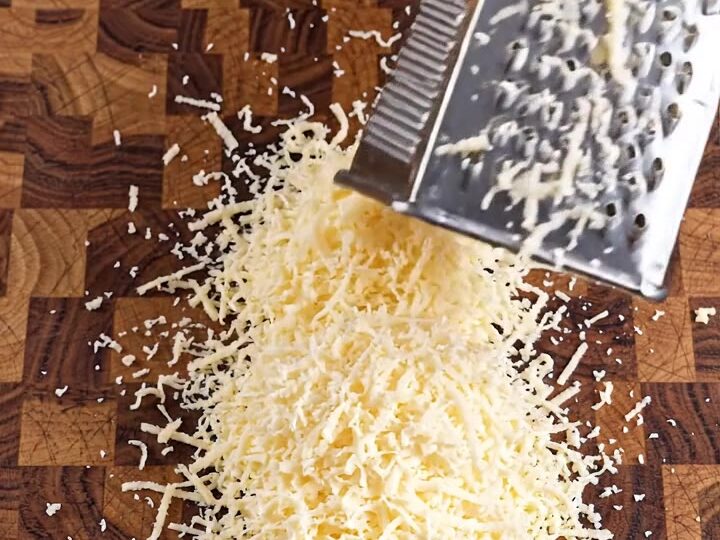
Shred the Gruyère on a box grater and divide it, setting aside about one-third for the top. Set the oven rack in the upper third and preheat the broiler. Clear the stovetop, put a wooden spoon and a pair of oven mitts within reach, and have the cast iron skillet ready on the burner.
Ingredients at a glance (9)
- 3 yellow onions, thinly sliced into rings
- 3 tbsp unsalted butter
- 3 cloves garlic, minced
- 4 sprigs fresh thyme, leaves stripped, plus extra for garnish
- 3 cups beef broth, plus a splash more for the sauce
- 12 oz dried rigatoni pasta, uncooked
- 8 oz Gruyère cheese, shredded on a box grater, divided
- kosher salt to taste
- freshly cracked black pepper, to taste, plus extra for serving
Instructions
Caramelized onion base
- Slice the onions and garlicThinly slice the yellow onions into rings and mince the garlic. Keep the onion rings and the garlic in separate piles on the cutting board so you can add them at the right moment. Strip the thyme leaves from the sprigs and set them aside.Look for Onion rings are thin and even, with no thick chunks left behind.Tip Slice across the onion from root to stem for rings that cook evenly.
- Caramelize the onions low and slowMelt the butter in the cast iron skillet over medium-low heat. Add the onion rings and cook, stirring occasionally, for about 35 minutes until they turn deep golden brown and jammy. Lower the heat if they start to scorch.Look for Onions are deep golden brown, soft and jammy, with a sweet smell.Tip A pinch of salt draws out moisture and speeds up the browning.
The onions should be deep golden brown, very soft and jammy, with a sweet, toasty smell filling the kitchen. They should look glossy and reduced to about a third of their original volume. Before going on, check that no onions are dark brown or blackened, since that means the heat was too high.
Once the garlic and thyme go in and the broth is poured, the bottom of the skillet should release its browned bits easily when you scrape with a wooden spoon. If the pan looks dry and the onions catch, add a splash of broth before continuing. This base sets the flavor for the whole dish, so take the time to reach the right color before moving on to the next step.
Simmered rigatoni in broth
- Add garlic, thyme and brothStir in the minced garlic and thyme leaves and cook for about 1 minute until fragrant. Pour in the 3 cups of broth and scrape up the browned bits from the bottom of the skillet with a wooden spoon.Look for Garlic smells fragrant and the broth turns deep amber as it deglazes the pan.Tip Scrape gently so the browned bits dissolve into the broth and add flavor.
- Simmer the rigatoni in the brothAdd the uncooked rigatoni to the skillet and spread it into an even layer so the pasta sits in the broth. Simmer over medium heat, stirring often, until the pasta is tender and most of the liquid is absorbed, about 12 to 15 minutes.Look for Pasta is tender to the bite and the sauce looks glossy and thick.Tip Add a splash of extra broth if the pasta starts to stick before it is tender.
- Fold in cheese for a creamy sauceRemove the skillet from the heat. Fold in about two-thirds of the shredded Gruyère, along with a splash of extra broth, until the cheese melts into a creamy sauce. Season with kosher salt and black pepper to taste.Look for Cheese is fully melted and the pasta is coated in a creamy sauce.Tip Taste before adding more salt, since the broth and cheese are already savory.
After simmering, the rigatoni should be tender to the bite, with most of the broth absorbed and a glossy, thickened sauce coating each piece. Stir the pan once more and check that no pasta is sticking to the bottom. If the pasta is still firm, add another splash of broth and simmer for a few minutes longer.
Remove the skillet from the heat before folding in the cheese, so the Gruyère melts smoothly into a creamy coating instead of turning grainy. The sauce should look thick enough to cling to a spoon but still loose enough to spread across the skillet when you tilt it, which gives the best texture once it goes under the broiler.
Bubbling cheese topping
- Top with cheese and broilSprinkle the remaining Gruyère evenly over the top. Transfer the skillet to the oven and broil on high until the cheese bubbles and browns in spots, about 3 to 5 minutes. Watch it closely so the cheese does not burn.Look for Cheese bubbles across the surface and browns in spots at the edges.Tip Keep the rack in the upper third of the oven for faster, even browning.
- Garnish and serve from the skilletLet the skillet rest for 5 minutes so the sauce thickens. Garnish with fresh thyme leaves and cracked black pepper, then serve straight from the cast iron skillet with a spoon.Look for Sauce is thick and glossy and the cheese has set into golden pockets.Tip Use oven mitts, since the cast iron handle stays very hot.
The top layer of cheese should bubble across the surface and brown in golden spots at the edges, with a slightly crisp, savory aroma. Check the skillet after about three minutes under the broiler and turn it if the browning is uneven. Look for the cheese to be fully melted and pulling into threads when you lift a spoonful. Remove the skillet as soon as the top is golden, because the cheese can burn in seconds once it reaches that stage. Let the skillet rest briefly so the sauce thickens, then garnish and serve while the cheese is still hot and stretchy.
Common mistakes
The most common mistake is rushing the onions. High heat browns the outside of the onion rings before the inside softens, which leaves a bitter taste and uneven texture. Keep the heat at medium-low, stir regularly, and be patient, since the color deepens gradually. Another frequent error is adding the cheese while the skillet is still on the burner, which can make the sauce grainy or stringy.
Remove the pan from the heat first and fold the cheese in gently. Finally, do not overcrowd the skillet with more pasta than it can hold in a single layer, because uneven contact leaves some rigatoni firm while the rest turns mushy. Check the pan often and add extra broth in small amounts when needed.
How to tell it’s done
The dish is ready when the exterior shows even golden color, the center feels tender when pressed gently with a fork, and the sauce coats the back of a spoon glossy and fragrant.
Up next · Part 3 of 3
4 variations · storage & make-ahead · 5 answers · printable card
Tips, FAQ & printable recipe (Part 3)← Back to the ingredients (Part 1)