Dinner · Part 3 of 3: Tips & recipe card
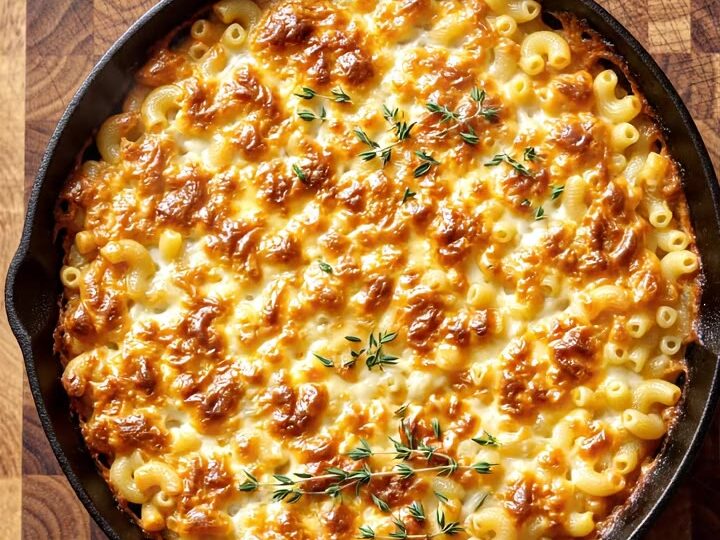
French Onion Mac with Caramelized Onions and Gruyere Skillet Tips, FAQ & printable recipe
- Prep
- Cook
- Total
- Serves
- 6
Tips for success
To get the deepest caramelization on the onions, add a pinch of salt at the beginning—this draws out moisture and helps them soften. If they start to stick to the pan, deglaze with a splash of water or broth, scraping up the browned bits.
This adds extra flavor to the final dish. For an even richer sauce, use a combination of Gruyere and a little Parmesan, which adds a salty, nutty kick.
When you add the cheese to the cream, do it off the heat or over very low heat, stirring constantly until fully melted. This prevents the sauce from becoming grainy or separating.
If you have time, let the assembled skillet sit for 10 minutes before baking—this allows the pasta to absorb some of the sauce, making the final texture more cohesive. Serve immediately for the best cheese pull, and don't forget to scrape up the crispy edges from the skillet—they're a cook's treat.
Variations
- Bacon French Onion Mac: Add 6 slices of cooked, crumbled bacon to the sauce with the caramelized onions. The smoky, salty flavor pairs beautifully with the Gruyere and adds a hearty touch.
- Mushroom and Thyme: Sauté 8 oz sliced cremini mushrooms with the onions until golden. Add an extra teaspoon of fresh thyme to the sauce for an earthy, savory depth.
- Spicy Kick: Stir 1/2 teaspoon of red pepper flakes into the sauce, or top with a drizzle of hot honey before serving. The heat cuts through the richness for a nice contrast.
- Gluten-Free Version: Use gluten-free cavatappi and gluten-free breadcrumbs. Check that the Gruyere is gluten-free (it is), and the dish becomes entirely gluten-free without sacrificing flavor.
Storage and make-ahead
- Fridge
- Store in the refrigerator in an airtight container for up to 3 days. Reheat gently with a splash of cream or milk.
- Freezer
- Freeze in a freezer-safe container for up to 3 months. Thaw overnight in the fridge before reheating.
- Reheat
- Reheat in a 350°F (175°C) oven for 15-20 minutes, or microwave in 30-second bursts, stirring between.
Store any leftovers in an airtight container in the refrigerator for up to 3 days. The sauce will thicken as it cools, so when reheating, add a splash of milk or cream to loosen it.
Reheat in the microwave or in a skillet over low heat, stirring occasionally, until heated through. The breadcrumb topping will soften upon storage, but the flavor will remain delicious.
The caramelized onions can be made up to 3 days ahead and stored in the refrigerator. You can also assemble the entire dish (without the breadcrumb topping) a day in advance, cover it, and refrigerate.
When ready to bake, add the breadcrumbs and bake as directed, adding a few extra minutes if baking from cold. This makes it a great option for entertaining.
Serving ideas
Serve this French Onion Mac straight from the skillet, letting guests scoop out generous portions to show off the stretchy cheese pull. A simple green salad with a tangy vinaigrette balances the richness, and a glass of dry white wine or a light red complements the nutty Gruyere. For a heartier meal, pair it with roasted chicken or a steak.
This dish also works beautifully as a side for holidays or gatherings—it's a crowd-pleaser that can be made ahead. Garnish with extra fresh thyme just before serving for a pop of color and freshness. If you have leftovers, they make a fantastic next-day lunch, reheated gently with a splash of cream.
Frequently asked questions
Can this dish be made without a cast iron skillet?
Why is the sauce grainy?
Can the onions be caramelized in advance?
What can be used instead of Gruyere?
How to get a perfect cheese pull?
French Onion Mac with Caramelized Onions and Gruyere Skillet

Ingredients
- 3 large yellow onions, thinly sliced into half moons
- 12 oz aged Swiss Gruyere cheese, grated (about 3 cups)
- 1 lb cavatappi pasta
- 2 cups heavy cream
- 4 tbsp unsalted butter
- 1/2 cup crispy breadcrumbs (panko or fresh)
- 1 tbsp fresh thyme leaves
- Kosher salt, to taste
- Freshly ground black pepper, to taste
Instructions
- Melt 2 tablespoons of butter in a large cast iron skillet over medium heat. Add the sliced onions and a pinch of salt. Cook, stirring occasionally, for 20-25 minutes until the onions are deeply golden, jammy, and caramelized. If they start to stick, add a splash of water. Transfer the onions to a bowl and set aside.
- Bring a large pot of salted water to a boil. Add the cavatappi and cook until al dente, about 8-10 minutes or according to package instructions. Reserve 1/2 cup of pasta water, then drain the pasta.
- In the same skillet, melt the remaining 2 tablespoons of butter over medium heat. Pour in the heavy cream and bring to a gentle simmer. Reduce the heat to low and gradually whisk in about 8 ounces of the grated Gruyere, stirring until the sauce is smooth and bubbling. Season with salt and pepper.
- Add the drained cavatappi and the caramelized onions to the skillet with the Gruyere cream sauce. Stir gently to coat every piece of pasta with the sauce. If the sauce seems too thick, loosen it with a splash of the reserved pasta water.
- Sprinkle the remaining grated Gruyere evenly over the top of the pasta. Then scatter the crispy breadcrumbs over the cheese layer, covering the surface completely.
- Place the skillet under a preheated broiler or in a 400°F (200°C) oven for 5-10 minutes, until the cheese is melted, the breadcrumbs are golden brown, and the sauce is bubbling at the edges.
- Remove the skillet from the oven and scatter fresh thyme leaves over the top. Let it rest for 5 minutes before serving. Scoop out a generous spoonful to reveal the stretchy Gruyere cheese pull.
Estimated nutrition per serving
- Calories
- 650
- Protein
- 25 g
- Carbohydrates
- 55 g
- Fat
- 38 g
Next recipe

Crispy Coconut Shrimp with Sweet Chili Lime Glaze
See the recipe → →This recipe is based on a short cooking video and is published under the pen name Clara Weller. It was checked before publication, but errors can slip through. Nutrition, when shown, is an estimate. Read more in our editorial policy and on our food safety page.
More recipes to try

One-Pan Coconut Curry Halibut with Crisp Snap Peas
Total time: 35 min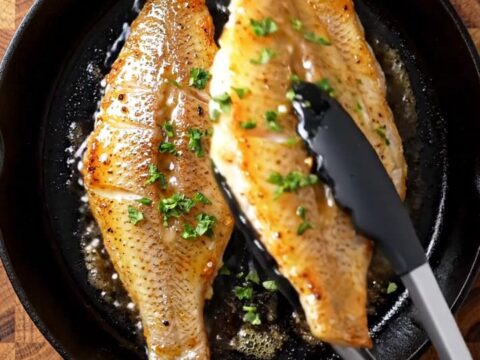
Crispy Skin Branzino with Mediterranean Lemon Herb Skillet
Total time: 25 min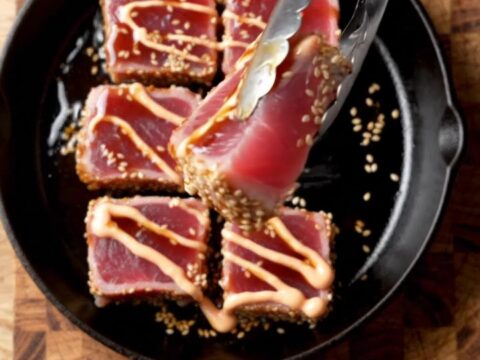
Sesame Crusted Ahi Tuna with Ginger Soy Glaze
Total time: 20 min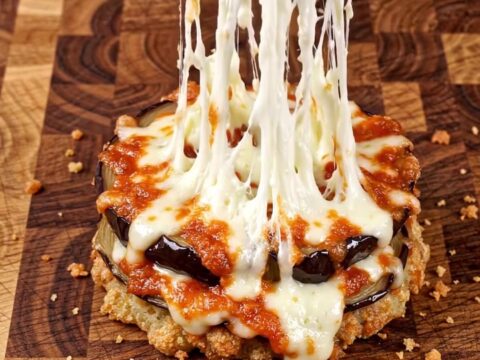
Crispy Eggplant Parm Stacks with Burrata and Basil Marinara
Total time: 45 min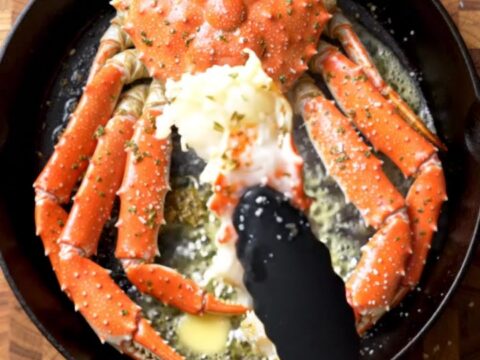
Garlic Butter King Crab Leg Skillet with Parmesan
Total time: 25 min