Dinner · Part 1 of 3: Ingredients
French Bistro Crockpot Steak Au Poivre Bites
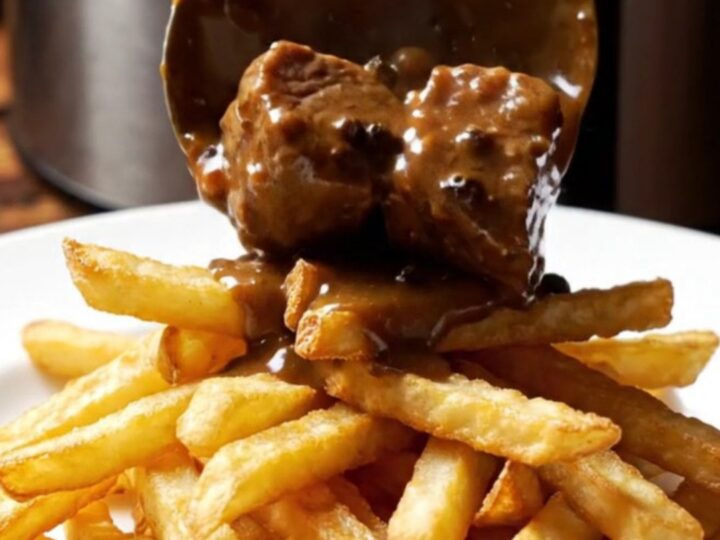
- Prep
- Cook
- Total
- Serves
- 6
Transform your weeknight dinner into a Parisian bistro experience with this effortless slow-cooked steak au poivre. By utilizing the gentle heat of a slow cooker, you can achieve melt-in-your-mouth tenderness while infusing the beef with the bold, classic flavors of crushed tellicherry peppercorns, rich cognac, and creamy demi-glace.
This method turns humble tenderloin tips into a sophisticated, restaurant-quality meal that feels indulgent yet requires minimal active preparation, making it the perfect choice for those who appreciate fine dining at home.
The essence of a classic steak au poivre lies in the harmony between the sharp, spicy bite of black peppercorns and the luxurious depth of a brandy-infused cream sauce. Traditionally, this dish is prepared quickly in a hot skillet, but adapting it for the slow cooker allows the beef to become exceptionally tender while the sauce develops a profound complexity over several hours.
This recipe simplifies the process into a convenient dump-and-go format without sacrificing the elegant character that makes this French staple so beloved by food enthusiasts everywhere.
Ingredients
Main
- 3 lb beef tenderloin tips, cut into bite-sized pieces
- 2 tbsp crushed tellicherry black peppercorns
Sauce
- 60 ml cognac
- 200 ml beef demi-glace
- 2 tbsp shallots, minced
- 1 stick unsalted butter
- 180 ml heavy cream
Why this recipe works
The slow cooking method works by breaking down the fibers of the beef tenderloin tips gradually, ensuring that each bite remains incredibly succulent. Because the meat is submerged in a flavorful combination of beef demi-glace and cognac, it absorbs the essence of the sauce while the shallots soften and provide a subtle, sweet undertone that balances the heat of the peppercorns.
Furthermore, incorporating the heavy cream only at the final stage preserves its silky texture and prevents it from separating or becoming too heavy. This technique results in a velvety, glossy sauce that clings perfectly to the meat, creating a cohesive dish where every element—from the spicy crust on the beef to the rich, creamy finish—is balanced and elevated by the long, low-temperature simmer.
Notes and substitutions
When selecting ingredients for this recipe, the quality of the beef tenderloin tips is paramount. Since the meat is the star of the dish, choose fresh cuts from a reputable source.
Tellicherry peppercorns are highly recommended for their superior, complex flavor compared to standard black pepper, as they provide a more nuanced heat that defines the authentic profile of a traditional steak au poivre.
Regarding equipment, a standard ceramic slow cooker is ideal for this recipe as it provides consistent, gentle heat distribution. If you prefer a thicker sauce, you can remove the lid for the final thirty minutes of cooking once the cream is added to allow for slight reduction.
Always ensure your cognac and demi-glace are at room temperature before adding them to the pot to maintain the integrity of the cooking environment.
- Cognac: Brandy or a dry sherry can be used as a replacement, though the flavor profile will shift slightly.
- Beef demi-glace: A high-quality beef stock reduced by half can serve as a suitable substitute if demi-glace is unavailable.
Equipment
- Slow cooker
- Chef's knife
- Cutting board
- Measuring cups
- Whisk
Up next · Part 2 of 3
3 steps · 4 h of cooking · what to look for at each stage
Step-by-step instructions (Part 2)