Dinner · Part 1 of 3: Ingredients
Four-Ingredient Pesto Parmesan Crockpot Potatoes
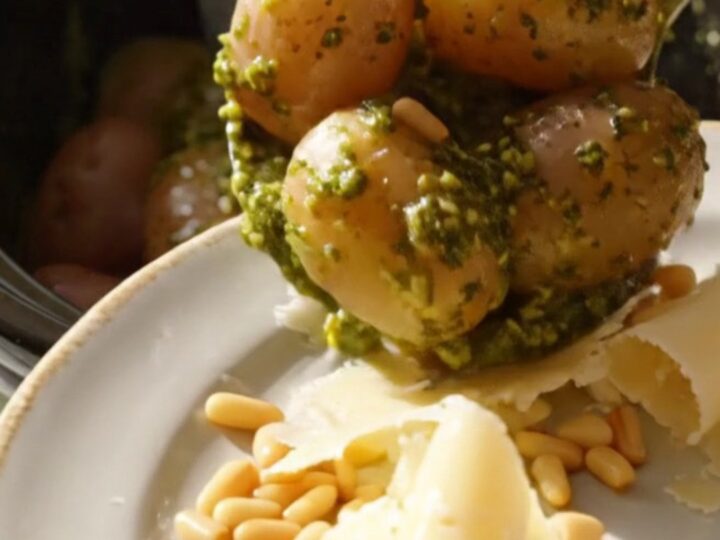
- Prep
- Cook
- Total
- Serves
- 6
Elevate your dinner table with a side dish that requires almost no effort but delivers impressive, restaurant-quality results. This four-ingredient pesto parmesan potato recipe uses the slow cooker to transform basic produce into a buttery, aromatic masterpiece.
Perfect for busy weeknights or hosting, these potatoes offer a rich, savory flavor profile that pairs effortlessly with roasted meats, grilled poultry, or a fresh crisp salad. Experience the convenience of a hands-off cooking method that guarantees perfectly tender potatoes every single time.
The beauty of this recipe lies in its simplicity and the depth of flavor achieved through slow, gentle cooking. By combining the earthy sweetness of baby red potatoes with the vibrant, garlicky notes of basil pesto and the savory richness of aged Parmigiano-Reggiano, you create a side dish that feels sophisticated yet remains incredibly accessible.
The butter acts as a vehicle for these flavors, creating a luscious, herb-glazed coating that clings to every potato. Whether planning a festive dinner or a simple family meal, this dish is a reliable choice that saves time without compromising on quality or taste. Follow this straightforward method to master a side dish that will quickly become a recurring favorite in your kitchen repertoire.
Ingredients
- 3 lb baby red potatoes, halved
- 1/2 cup basil pesto
- 4 tbsp unsalted butter, cubed
- 1/2 cup grated Parmigiano-Reggiano
Garnish
- 1/4 cup toasted pine nuts, for serving
- 1/4 cup shaved parmesan curls, for serving
Why this recipe works
The slow cooker method is ideal for this recipe because it allows the potatoes to steam in their own moisture while slowly absorbing the fats from the butter and the aromatics from the pesto. This gentle, consistent heat prevents the potatoes from becoming mushy, ensuring they remain tender while developing a deep, uniform flavor throughout. The starch released by the potatoes during the cooking process emulsifies with the melting butter and pesto, creating a naturally thickened sauce that coats each piece perfectly.
Layering the ingredients rather than stirring them initially allows the heat to distribute evenly from the bottom up. As the butter melts, it drips down through the layers, carrying the pesto and cheese with it to reach the potatoes at the bottom of the crock. This technique ensures that every single potato is evenly seasoned and coated in the herb-infused oil by the time the cooking cycle is complete, eliminating the need for constant monitoring or intervention during the process.
Notes and substitutions
For the best results, select baby red potatoes that are roughly the same size to ensure they cook at the same rate. If you find varying sizes, simply adjust the cutting to make the larger pieces smaller.
Using a high-quality, authentic basil pesto will significantly elevate the final dish, as the quality of the herbs and the oil will be the primary flavor drivers. If you prefer a more intense garlic profile, you can add a finely minced clove of fresh garlic to the mixture before cooking, though the pesto typically provides a sufficient base.
A 6-quart ceramic slow cooker is recommended for this recipe to allow the potatoes enough room to cook without being overcrowded. If you are using a smaller slow cooker, you may need to reduce the quantity of potatoes to prevent uneven cooking.
Always ensure the lid is properly seated to trap the steam, which is essential for achieving the desired tenderness. While Parmigiano-Reggiano is the traditional choice for this dish, you may experiment with other hard, aged cheeses like Grana Padano if preferred for a slightly different flavor nuance.
- baby red potatoes: baby Yukon Gold potatoes work equally well for a creamier texture.
- Parmigiano-Reggiano: Aged Pecorino Romano provides a sharper, saltier flavor profile.
Equipment
- 6-quart slow cooker
- Chef's knife
- Cutting board
- Serving platter
Up next · Part 2 of 3
3 steps · 3 h of cooking · what to look for at each stage
Step-by-step instructions (Part 2)