Dinner · Part 2 of 3: Instructions
Four Cheese Cauliflower Mac and Cheese Skillet with Crispy Panko Step-by-step instructions
- Prep
- Cook
- Total
- Serves
- 4
Before you start
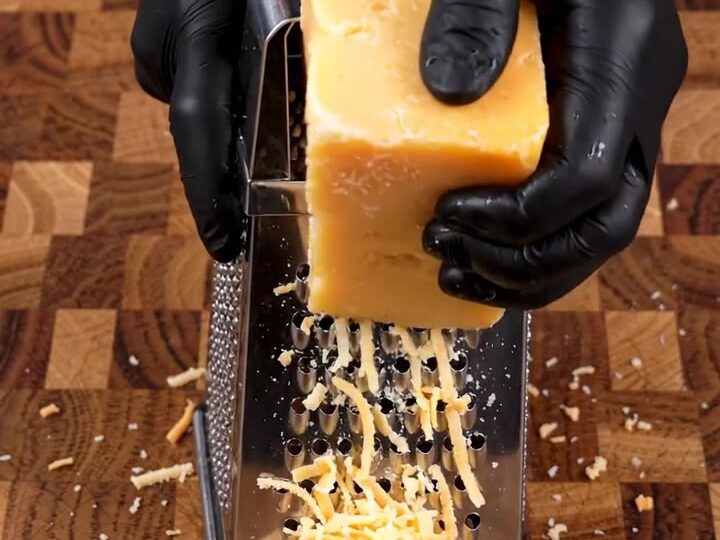
Gather everything before you turn on the stove. Set the oven rack in the center and preheat the oven to 375°F (190°C). Break the cauliflower into bite-size florets, peel and lightly crush the garlic cloves, and chop the chives. Grate the hard cheese on a box grater and shred the yellow cheddar, mozzarella and Monterey Jack.
Warm the milk in a small pan or in the microwave until it is steaming but not boiling. Toast the panko in a dry skillet over medium heat until golden, then transfer it to a bowl. Have a large pot of salted water boiling, a saucepan ready for the sauce and the cast-iron skillet within reach. With everything prepared, the sauce comes together quickly and does not need to wait.
Ingredients at a glance (13)
- 1 head cauliflower, broken into bite-size florets
- 8 oz cavatappi pasta or other short curly pasta
- 2 cloves garlic, peeled and lightly crushed
- 3 tbsp unsalted butter
- 3 tbsp all-purpose flour
- 2 cups whole milk, warmed
- 1 cup shredded yellow cheddar cheese
- 1/2 cup finely grated hard cheese, such as Parmesan
- 1/2 cup shredded mozzarella cheese
- 1/2 cup shredded Monterey Jack cheese
- 1/2 cup panko breadcrumbs, toasted
- fresh chives, chopped, for serving
- kosher salt and black pepper, to taste
Instructions
Cauliflower and pasta ready
- Prep the cauliflower and pastaBring a large pot of salted water to a boil. Break the cauliflower into bite-size florets and add them to the water. Cook for 3 minutes, then scoop them out with a slotted spoon and set aside. Cook the cavatappi in the same water until just tender, then drain.Look for Florets should be tender-crisp and bright green-white, with pasta just short of al dente.Tip Keep the pasta slightly firm, since it will keep cooking in the oven.
- Build the four-cheese sauceMelt the butter in a large saucepan over medium heat. Add the crushed garlic and cook for 1 minute. Sprinkle in the flour and whisk for 1 minute. Slowly pour in the warm milk, whisking constantly, and simmer until thick enough to coat a spoon.Look for The sauce should coat the back of a spoon and look smooth and glossy.Tip Warm the milk first so the sauce thickens smoothly without lumps.
At the end of this phase the florets should be tender-crisp, bright and firm enough to hold their shape when you press one with a fork. The cavatappi should be just short of tender, with a slight bite in the center. Drain both well and let them sit briefly so excess water runs off.
Wet vegetables and pasta will thin the sauce and weaken the crust, so take a moment to dry them before moving on. Check the color too: the florets should look vivid, not gray or dull. Once the pasta and cauliflower are drained and set aside, you can start the sauce with confidence.
Cheese sauce thickened
- Melt in the cheesesRemove the garlic and take the pan off the heat. Add the yellow cheddar, grated hard cheese, mozzarella and Monterey Jack in handfuls, stirring until each addition melts. Season with salt and black pepper. The sauce should be orange-tinted and thick enough to cling to the pasta.Look for The cheese sauce should be smooth, glossy and clinging to the whisk.Tip Shred the cheese yourself for a smoother melt.
- Toss the skilletPreheat the oven to 375°F (190°C). In a 10-inch cast-iron skillet, combine the pasta and cauliflower with the cheese sauce. Fold gently until every piece is evenly coated, then spread the mixture level in the pan.Look for Every piece of pasta and cauliflower should be evenly coated in sauce.Tip Fold gently so the florets stay whole.
At the end of this phase the sauce should be smooth, thick and glossy, and it should coat the back of a wooden spoon in an even layer. When you run a finger through it, the line should hold briefly before the sauce closes over it. Listen for gentle bubbling rather than a hard boil, which can make the cheese separate. Before you add the cheese, confirm the roux has cooked for at least a minute so the sauce does not taste of raw flour. Once the cheeses are melted in off the heat and the sauce is orange-tinted and silky, it is ready to meet the pasta.
Golden, bubbling and crisp
- Add the panko and bakeToss the toasted panko with a little melted butter if you like, then scatter it evenly over the top. Bake for 20 to 25 minutes, until the cheese is bubbling and the edges are golden.Look for The cheese should bubble around the edges and the panko should turn deep golden.Tip Set the skillet on a rimmed sheet pan to catch any bubbling cheese.
- Rest and garnishLet the skillet rest for 5 minutes so the sauce thickens slightly. Scatter the chopped chives and a little extra panko over the top. Serve straight from the skillet with two serving spoons.Look for The surface should be crisp and the sauce should pull in stretchy strands.Tip Rest briefly so the portions hold together on the spoon.
At the end of this phase the cheese should be bubbling vigorously around the edges of the skillet, and the panko on top should be deep golden with a crisp, dry surface. Look at the center as well: the sauce should be hot all the way through and no longer loose on the surface. Give the skillet a gentle shake before removing it; the mixture should move as one piece. Let it rest for 5 minutes so the sauce thickens and the portions hold together. Only then scatter the chives and extra panko and serve while the cheese is still molten.
Common mistakes
The most common problem is a grainy or oily sauce, which usually comes from heat that is too high once the cheese goes in. Keep the pan off the burner when you add the cheeses and stir them in gently, one handful at a time. Pre-shredded cheese also makes the sauce grainy because of its coating, so grate it fresh whenever you can.
Another frequent error is overcooking the pasta before it goes into the oven, which leaves the finished dish soft and mushy. Cauliflower that is boiled too long will break apart and release water into the sauce. Finally, do not skip the panko toasting step; untoasted crumbs can turn pale and soggy under the cheese rather than crisp and golden.
How to tell it’s done
The skillet is done when the cheese is bubbling across the whole surface, the edges have turned golden and the panko is crisp and evenly browned. The center should be hot throughout, with the sauce looking thick and glossy rather than thin or separated. Pull a spoon through the middle: the cheese should stretch in long, molten strands.
Because this recipe contains no raw meat, poultry or eggs, there is no safe internal temperature to reach, so judge doneness by the sight, sound and texture of the cheese. If the top is browning too quickly before the center is hot, cover the skillet loosely with foil for the last few minutes of baking.
Up next · Part 3 of 3
4 variations · storage & make-ahead · 5 answers · printable card
Tips, FAQ & printable recipe (Part 3)← Back to the ingredients (Part 1)