Dinner · Part 2 of 3: Instructions
Crockpot Cacio e Pepe with Bucatini: Foolproof Roman Pasta Step-by-step instructions
- Prep
- Cook
- Total
- Serves
- 6
Before you start
Before starting, grate the Pecorino Romano finely—this helps it melt smoothly. Crack the black pepper fresh for maximum flavor. Mince the garlic cloves. Measure out the chicken stock, butter, and mascarpone.
Have all ingredients ready at the slow cooker. If you prefer a more intense pepper flavor, toast the cracked pepper in a dry skillet for a minute before adding, though this is optional. The slow cooker should be clean and dry.
Ingredients at a glance (7)
- 2 tbsp freshly cracked Tellicherry black pepper
- 4 tbsp salted butter
- 3 cups chicken stock
- 8 oz mascarpone cheese
- 2 cloves garlic, minced
- 16 oz bucatini pasta
- 2 1/2 cups finely grated Pecorino Romano cheese
Instructions
Slow-Cooked Base
- Build the Creamy BaseIn the slow cooker, combine the cracked black pepper, salted butter, chicken stock, mascarpone, and minced garlic. Stir well to blend the mascarpone into the liquid. Cover and set the slow cooker to LOW.Look for The mixture should look creamy and well combined, with pepper flecks throughout.Tip Crack the pepper just before adding for the most aromatic flavor.
- Slow-Cook the SauceCook the sauce on LOW for 1.5 hours, uncovered or covered as your slow cooker allows, until the flavors meld and the mixture is hot and fragrant. Stir occasionally if possible.Look for The sauce should be steaming and slightly thickened, with the butter melted and the pepper aromatic.Tip If your slow cooker runs hot, check after 1 hour to avoid reducing too much.
After the initial simmer, the sauce should be hot and fragrant, with the butter fully melted and the mascarpone blended into a creamy, pale liquid.
The pepper will have infused the stock, giving off a warm, spicy aroma. The mixture should be steaming, not boiling, and slightly thickened. Stir gently to ensure no mascarpone lumps remain.
Pasta in Creamy Sauce
- Add the PastaAfter 1.5 hours, add the bucatini to the slow cooker, pushing the strands down into the sauce. Make sure the pasta is mostly submerged. Cover and continue cooking on LOW for about 20-25 minutes, until the pasta is al dente.Look for The pasta should be tender but still firm to the bite, absorbing the creamy sauce.Tip Stir gently once halfway through to prevent sticking, but avoid over-stirring to keep the pasta intact.
- Finish with PecorinoOnce the pasta is cooked, turn off the slow cooker. Gradually whisk in the finely grated Pecorino Romano, a handful at a time, until the cheese is fully melted and the sauce becomes glossy and coats every strand.Look for The sauce should turn ivory and cling to the pasta like a silky glaze.Tip Add the cheese off the heat to prevent it from clumping or becoming stringy.
The bucatini should be tender but still have a slight bite. The sauce will have reduced and become more concentrated, coating the pasta with a thin, creamy layer. The overall color is a pale ivory, speckled with black pepper. The aroma is rich with cheese and butter, and the texture should be silky, not watery.
Cheese Finish and Serve
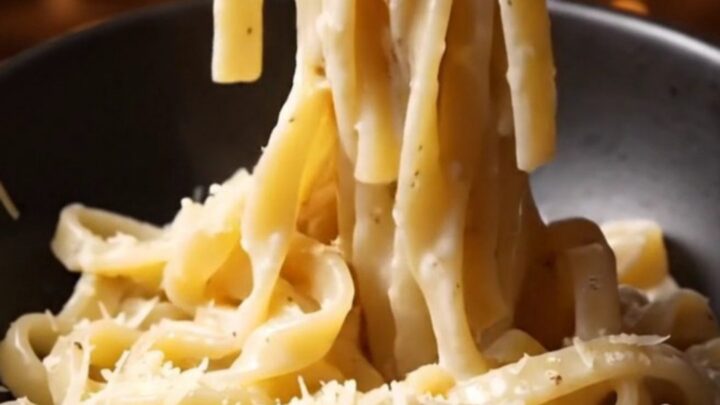
- Serve and TwirlUsing tongs, lift a portion of the bucatini and twirl it into a neat nest in a warmed bowl. Sprinkle with extra grated Pecorino and a crack of black pepper if desired. Serve immediately.Look for The pasta should be glossy, with visible pepper specks and a creamy coating.Tip Warm the bowls in the oven or with hot water to keep the pasta hot longer.
After whisking in the Pecorino, the sauce turns glossy and clings to the pasta like a glaze. The cheese is fully melted, and the sauce is smooth without any graininess. The dish looks luxurious, with pepper specks and a creamy sheen. It should be served immediately to enjoy the best texture.
Common mistakes
One common mistake is adding the Pecorino Romano too early or over high heat, which can cause it to clump. Always add it off the heat and whisk gently. Another pitfall is not stirring the sauce after adding the pasta, leading to uneven cooking.
Also, avoid using pre-ground pepper, which lacks the essential oils and can taste flat. Finally, do not overcook the pasta—check it a few minutes before the recommended time, as slow cookers vary.
How to tell it’s done
The dish is done when the bucatini is al dente—tender but still firm to the bite—and the sauce has thickened to a creamy, glossy consistency that coats the pasta.
The cheese should be fully melted and the sauce should not be watery. If the sauce seems too thin, let it sit uncovered for a few minutes to thicken. Since there are no raw proteins, no temperature check is needed.
Up next · Part 3 of 3
4 variations · storage & make-ahead · 5 answers · printable card
Tips, FAQ & printable recipe (Part 3)← Back to the ingredients (Part 1)