Dinner · Part 2 of 3: Instructions
Spicy Crab Bucatini with Garlic Pangrattato Step-by-step instructions
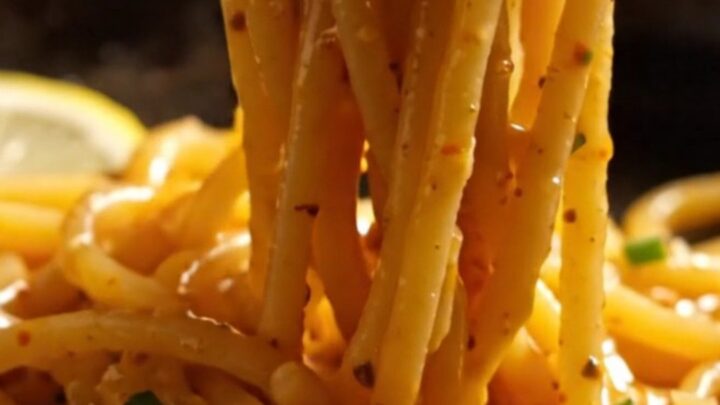
- Prep
- Cook
- Total
- Serves
- 4
Before you start
Before cooking, set out the crab meat to come to room temperature (about 15 minutes) so it doesn’t chill the sauce. Grate or slice the garlic, measure the wine and lemon juice, and cube the cold butter.
Have your pasta pot ready and the breadcrumbs measured. This is a fast-moving dish, so having everything prepped means you can focus on the stove.
Ingredients at a glance (10)
- 350 g bucatini
- 50 g sourdough breadcrumbs
- 2 tbsp extra-virgin olive oil
- 4 cloves garlic, thinly sliced
- 1 tbsp crushed Calabrian chilies
- 250 g jumbo lump crab meat
- 80 ml dry white wine
- 60 g cold unsalted butter, cubed
- 1 tbsp fresh lemon juice
- 2 tbsp chopped fresh chives
Instructions
Toast the pangrattato and cook pasta
- Toast the pangrattatoHeat 1 tablespoon of the olive oil in a large skillet over medium heat. Add the sourdough breadcrumbs and cook, stirring frequently, until golden and crisp, about 3–4 minutes. Transfer the pangrattato to a small bowl and wipe out the skillet.Look for The breadcrumbs turn golden brown and smell nutty.Tip Keep the heat medium so the crumbs toast evenly without burning.
- Cook the bucatiniBring a large pot of generously salted water to a boil. Add the bucatini and cook until al dente according to package directions. Reserve about 1 cup of pasta water before draining.Look for The pasta is tender but still has a slight bite in the center.Tip Start the sauce while the pasta cooks so everything comes together at once.
The breadcrumbs should be golden brown and crisp, with a nutty aroma. The pasta is al dente—tender but still firm to the bite. The skillet is wiped clean and ready for the sauce.
Sauté crab and build the sauce
- Sauté the aromatics and crabIn the same skillet, heat the remaining 1 tablespoon olive oil over medium heat. Add the garlic and crushed Calabrian chilies, and sauté until fragrant, about 1 minute. Add the jumbo lump crab meat and gently toss to coat with the garlic-chili oil, taking care not to break up the lumps.Look for The garlic is fragrant but not browned, and the crab is just warmed through.Safe temperature 145°F (63°C) internal temperature (shellfish)Tip Use a light hand when stirring to keep the crab in beautiful chunks.
- Deglaze with white winePour the dry white wine into the skillet and bring it to a simmer at about 90°C (194°F). Let it bubble gently for 1–2 minutes, scraping up any browned bits from the bottom of the pan, until the wine has reduced slightly.Look for The wine sizzles and reduces, releasing a fragrant aroma.Tip The wine should be just simmering, not boiling hard, to keep the sauce silky.
- Emulsify the butterReduce the heat to low and swirl in the cold unsalted butter cubes one at a time, stirring constantly, until the sauce is glossy and emulsified. Add the fresh lemon juice and stir to combine.Look for The sauce turns creamy and coats the back of a spoon.Tip Cold butter is key for a smooth emulsion—add it off the heat if necessary.
The garlic and chilies are fragrant, the crab is just warmed through, and the wine has reduced slightly. The butter is emulsified into a glossy, creamy sauce that coats the spoon.
Combine and finish
- Toss the pasta in the sauceAdd the drained bucatini to the skillet with the crab and sauce. Use tongs to toss everything together, adding a splash of reserved pasta water if needed to loosen the sauce and help it cling to the noodles.Look for The pasta is evenly coated with a silky, spicy sauce.Tip Toss vigorously for about a minute to help the sauce emulsify further.
- Finish and serveRemove the skillet from the heat. Divide the bucatini among warm bowls, making sure each gets plenty of crab. Top with the crispy pangrattato and a sprinkle of chopped chives. Serve immediately.Look for The pasta is beautifully twirled, with golden crumbs and fresh chives on top.Tip Twirl the pasta into nests for a restaurant-worthy presentation.
The bucatini is evenly coated with the spicy, buttery sauce, with crab chunks distributed throughout. The pangrattato and chives add color and crunch. The dish is ready to serve immediately.
Common mistakes
One common mistake is overcooking the crab, which makes it tough and stringy. Add it to the pan only long enough to warm through, and stir gently.
Another is letting the wine reduce too much, which can make the sauce overly acidic—simmer it just until it slightly thickens.
Finally, don’t skip the pasta water; it’s the secret to a silky sauce that clings to the noodles.
How to tell it’s done
The pasta is done when it’s al dente—tender but with a slight bite in the center. The sauce is ready when it coats the back of a spoon and is glossy.
The crab is cooked when it’s just heated through, reaching at least 145°F (63°C) internally; it should be opaque and tender, not rubbery. The pangrattato should be golden and crisp, with a nutty aroma.
- Shellfish: 145°F (63°C) in the thickest part
Up next · Part 3 of 3
4 variations · storage & make-ahead · 5 answers · printable card
Tips, FAQ & printable recipe (Part 3)← Back to the ingredients (Part 1)