Dinner · Part 3 of 3: Tips & recipe card
Easy Slow Cooker Turkey and Cabbage Stew Tips, FAQ & printable recipe

- Prep
- Cook
- Total
- Serves
- 4
Tips for success
For a deeper flavor profile, you can lightly sauté the ground turkey in a separate skillet with a little oil before adding it to the slow cooker, although this is optional.
If you choose this step, ensure the meat is browned but not fully cooked through, then proceed with the layering process as described in the steps.
If you find the stew is too thin after the cooking process is complete, you can remove the lid and switch the slow cooker to the high setting for an additional 15 to 20 minutes.
This helps to evaporate some of the excess liquid and concentrates the tomato and chili flavors, resulting in a heartier, thicker texture that coats the back of a spoon.
Variations
- Spicy Turkey Cabbage Stew: Add a diced jalapeño or a teaspoon of red pepper flakes when adding the chili seasoning to provide a significant kick of heat that complements the savory turkey.
- Hearty Vegetable Boost: Incorporate one cup of diced carrots or celery during the layering process to add extra texture and sweetness, which balances the acidity of the tomatoes perfectly.
Storage and make-ahead
- Fridge
- Store in an airtight container for up to 4 days.
- Freezer
- Freeze in a freezer-safe container for up to 3 months. Thaw overnight in the refrigerator before reheating.
- Reheat
- Reheat in a saucepan over medium heat or in the microwave until steaming hot.
Allow any leftovers to cool to room temperature for no more than 2 hours before transferring them to an airtight container.
Properly stored, the stew will maintain its quality in the refrigerator for up to 3 to 4 days. When reheating, ensure the stew is heated until it is steaming hot throughout to maintain food safety standards.
This dish is an excellent candidate for making ahead, as the flavors often improve after sitting in the refrigerator overnight.
You can prepare the entire stew in advance, let it cool completely, and then store it in the refrigerator. Simply reheat portions as needed throughout the week, making it a convenient option for meal planning.
Serving ideas
Serve this stew hot in shallow bowls to showcase the texture of the turkey and cabbage. It pairs beautifully with a slice of crusty bread or a side of warm cornbread, which is perfect for soaking up the flavorful tomato-based broth that collects at the bottom of the bowl.
For those who enjoy extra texture, consider topping each serving with a sprinkle of fresh chopped cilantro or a dollop of sour cream. These additions provide a cooling contrast to the warmth of the chili seasoning and elevate the presentation of the stew for a simple yet satisfying weeknight dinner.
Frequently asked questions
Can ground beef be used instead of ground turkey?
Is it necessary to stir the stew during the cooking process?
What is the best way to tell if the cabbage is done?
Easy Slow Cooker Turkey and Cabbage Stew

Ingredients
- 1 lb ground turkey
- 4 cups green cabbage, chopped
- 2 tbsp chili seasoning
- 1 can (14.5 oz) diced tomatoes with juice
Instructions
- Place the ground turkey into the bottom of the slow cooker insert. Use your hands or a spoon to crumble the meat into smaller pieces to ensure it cooks evenly throughout the stew.
- Layer the chopped green cabbage over the ground turkey. Sprinkle the chili seasoning evenly over the cabbage, then pour the diced tomatoes, including all the tomato juices, over the top.
- Cover the slow cooker and cook on high for 4 hours or on low for 7 to 8 hours. Before serving, stir everything together thoroughly. Ensure the ground turkey reaches an internal temperature of 165°F (74°C) to be fully cooked.
Estimated nutrition per serving
- Calories
- 280
- Protein
- 24 g
- Carbohydrates
- 12 g
- Fat
- 15 g
- Fiber
- 4 g
- Sugar
- 6 g
- Sodium
- 450 mg
Next recipe

Classic Tex-Mex Cheese Enchilada Bake
See the recipe → →This recipe is based on a short cooking video and is published under the pen name Clara Weller. It was checked before publication, but errors can slip through. Nutrition, when shown, is an estimate. Read more in our editorial policy and on our food safety page.
More recipes to try

Creamy Smoked Sausage Alfredo Tortellini Bake
Total time: 35 min
Slow Cooker Creamy Italian Chicken Drumsticks and Potatoes
Total time: 4 h 15 min
Creamy Crockpot Mississippi Potato Soup
Total time: 4 h 15 min
Slow Cooker Cowboy Butter Meatballs and Potatoes
Total time: 4 h 15 min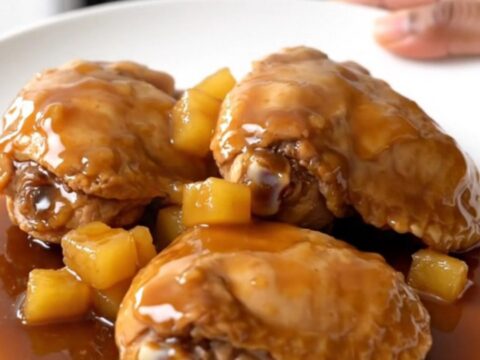
Slow Cooker Brown Sugar Pineapple Chicken Thighs
Total time: 4 h 10 min