Dinner · Part 1 of 3: Ingredients
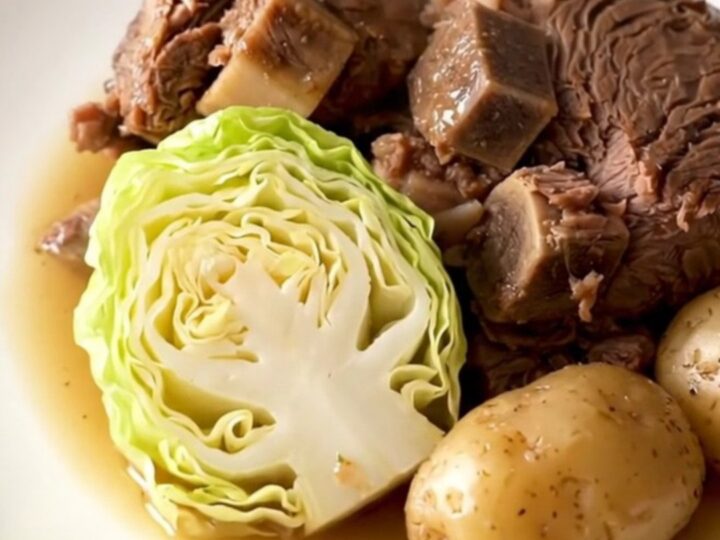
Easy Slow Cooker Pot Roast with Tender Cabbage Wedges
- Prep
- Cook
- Total
- Serves
- 6
Transform a simple chuck roast into a melt-in-your-mouth masterpiece with minimal effort. This slow cooker recipe relies on the gentle, consistent heat of the crockpot to break down tough connective tissues, resulting in exceptionally tender meat.
By adding cabbage and potatoes directly into the pot, you create a hearty, one-pot meal that requires almost no active supervision, making it an ideal choice for busy weeknights when you want to come home to a hot, satisfying dinner.
Slow cooking is the secret to achieving perfectly braised beef without the need for constant monitoring or stovetop attention. This method allows the beef to simmer in its own juices and the added broth, infusing the vegetables with deep, savory flavor.
The cabbage becomes buttery and tender, soaking up the seasoned broth, while the potatoes provide a comforting starch. This approach ensures that every component of the meal reaches peak tenderness simultaneously, creating a balanced and cohesive dish that feels like a classic home-cooked Sunday roast, even on a hectic schedule.
Ingredients
Main Ingredients
- 3 lb chuck roast
Vegetables
- 1 head green cabbage, cut into wedges
- 1 lb baby potatoes, halved
Seasoning
- 1 tbsp garlic powder
- 1 tbsp onion powder
- 1 tsp black pepper
Liquid
- 2 cups beef broth
Why this recipe works
The slow cooker environment is ideal for braising because it maintains a low, steady temperature that slowly converts collagen in the chuck roast into gelatin. This process is what transforms a tough cut of meat into succulent, fork-tender pieces. The liquid in the pot creates a moist environment that prevents the meat from drying out while allowing the flavors of the garlic, onion, and pepper to permeate the beef and vegetables thoroughly throughout the long cooking duration.
Furthermore, the layering technique is essential for success. By placing the denser roast at the bottom and surrounding it with the cabbage and potatoes, you ensure that the vegetables are submerged in the seasoned broth.
This allows them to steam and braise in the flavorful liquid, absorbing the essence of the beef as it cooks. The result is a harmonious dish where the ingredients complement each other perfectly, providing a deep, complex flavor profile that develops naturally over the extended cooking time.
Notes and substitutions
When selecting a chuck roast, look for a piece with good marbling, as the fat will render down during the long cooking time, adding moisture and richness to the dish. If you cannot find a chuck roast, a bottom round or rump roast can be used as a substitute, though they may require slightly longer cooking times to achieve the same level of tenderness. Always ensure the roast is thawed completely before placing it in the slow cooker to ensure even cooking.
The choice of seasoning is straightforward, but it is the foundation of the dish. Garlic powder and onion powder provide a consistent savory baseline that does not burn or become bitter during the long cook.
Feel free to adjust the amount of black pepper according to personal preference. For the liquid, a high-quality beef broth is recommended, as it adds depth to the final sauce. The cabbage wedges should be cut large enough so they do not turn to mush during the extended cooking period.
- chuck roast: bottom round roast or rump roast
- green cabbage: savoy cabbage
Equipment
- Slow cooker
- Sharp knife
- Cutting board
- Measuring cups
- Measuring spoons
Up next · Part 2 of 3
3 steps · 8 h of cooking · what to look for at each stage
Step-by-step instructions (Part 2)