Dinner · Part 3 of 3: Tips & recipe card
Easy Slow Cooker Pork Chops and Sauerkraut Tips, FAQ & printable recipe

- Prep
- Cook
- Total
- Serves
- 4
Tips for success
For a deeper flavor, you can add a small amount of caraway seeds to the sauerkraut before cooking. This is a traditional addition that complements the acidity of the cabbage and the richness of the pork beautifully.
If you prefer a more complex profile, consider adding a thinly sliced onion to the bottom of the slow cooker underneath the pork chops.
If you find the sauce is too thin after cooking, you can remove the pork chops and keep them warm, then simmer the sauerkraut and liquid in a saucepan over medium-high heat for a few minutes to reduce it.
This will concentrate the flavors and create a thicker, more syrupy consistency that coats the sauerkraut perfectly.
Variations
- Spiced Pork and Kraut: Add a teaspoon of whole mustard seeds and a pinch of ground cloves to the sauerkraut before cooking. These warm spices enhance the natural sweetness of the pork and apple juice.
- Savory Onion Pork: Layer two thinly sliced yellow onions at the bottom of the slow cooker before adding the pork chops. The onions will caramelize during the long cooking time, adding a rich depth.
Storage and make-ahead
- Fridge
- Store in an airtight container for up to 4 days.
- Freezer
- Freeze in a freezer-safe container for up to 2 months. Thaw in the refrigerator overnight before reheating.
- Reheat
- Reheat gently in a saucepan over low heat or in the microwave until warmed through, adding a splash of water or apple juice if the sauce has thickened too much.
Allow the leftovers to cool to room temperature for no more than 2 hours before transferring them to an airtight container. Keep the pork chops and sauerkraut together in the same container to ensure the meat stays moist while in the refrigerator. Use within 3 to 4 days for the best quality and safety.
This dish is excellent when made ahead of time, as the flavors continue to meld in the refrigerator.
You can assemble the ingredients in the slow cooker insert the night before, cover it, and keep it in the refrigerator. Simply place the insert into the slow cooker base and start the cooking process when you are ready.
Serving ideas
Serve these pork chops hot, with a generous portion of the sweetened sauerkraut spooned over the top.
This dish pairs exceptionally well with simple, starchy sides that can soak up the flavorful juices, such as creamy mashed potatoes, boiled baby potatoes, or a slice of crusty rye bread to balance the tanginess of the kraut.
Consider serving the pork alongside steamed green beans or a crisp green salad with a light vinaigrette. The freshness of the vegetables provides a nice contrast to the richness of the braised pork and the intensity of the sauerkraut, making for a dinner that feels satisfying and complete.
Frequently asked questions
Can this be made with a different cut of pork?
Why is it important to use bone-in pork chops?
Is it necessary to rinse the sauerkraut?
Easy Slow Cooker Pork Chops and Sauerkraut

Ingredients
- 4 bone-in pork chops
- 1 lb sauerkraut, drained
- 2 tbsp brown sugar
- 1/2 cup apple juice
Instructions
- Place the pork chops into the slow cooker, arranging them so they are evenly distributed. Add the drained sauerkraut on top, spreading it out to cover the chops completely.
- Sprinkle the brown sugar evenly over the layer of sauerkraut. Pour the apple juice over the entire mixture, ensuring it reaches the bottom of the slow cooker to prevent burning.
- Cover and cook on low for 6 hours. Check that the pork reaches an internal temperature of 145°F (63°C). Remove the chops and let them rest for at least 5 minutes before serving with the warm, sweetened sauerkraut.
Estimated nutrition per serving
- Calories
- 380
- Protein
- 32 g
- Carbohydrates
- 18 g
- Fat
- 16 g
- Fiber
- 4 g
- Sugar
- 12 g
- Sodium
- 850 mg
Next recipe

Garlic Butter Chicken Kiev Casserole with Crispy Cracker Topping
See the recipe → →This recipe is based on a short cooking video and is published under the pen name Clara Weller. It was checked before publication, but errors can slip through. Nutrition, when shown, is an estimate. Read more in our editorial policy and on our food safety page.
More recipes to try

Easy Slow Cooker Creamy Buffalo Chicken Thighs
Total time: 4 h 10 min
Slow Cooker Turkey Tenderloin Tips with Baby Potatoes
Total time: 4 h 10 min
Easy Crockpot Honey Mustard Chicken and Sweet Potatoes
Total time: 4 h 15 min
Slow Cooker Maple Brown Sugar Ham
Total time: 4 h 15 min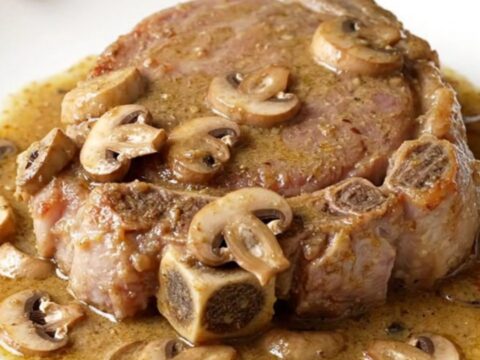
Slow Cooker Pork Steaks in Creamy Mushroom Gravy
Total time: 6 h 15 min