Dinner · Part 3 of 3: Tips & recipe card
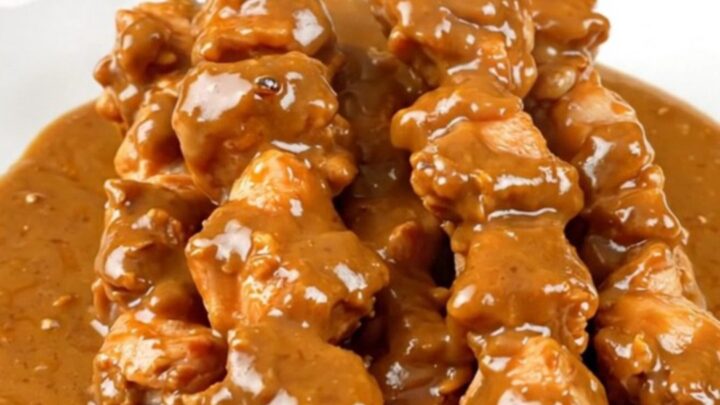
Easy Slow Cooker Peanut Butter Coconut Chicken Satay Tips, FAQ & printable recipe
- Prep
- Cook
- Total
- Serves
- 4
Tips for success
For a more intense flavor, you can toast the curry powder in a dry pan for 30 seconds before adding it to the slow cooker. This simple step helps to bloom the spices, releasing their essential oils and creating a more aromatic and deeper-tasting sauce that elevates the entire dish significantly.
If the sauce appears too thin after cooking, you can remove the chicken and vegetables and simmer the sauce on the stovetop for a few minutes until it reaches your desired consistency.
Alternatively, whisk in a small amount of cornstarch slurry to thicken the sauce quickly before returning the chicken to the pot to coat.
Variations
- Vegetable-Forward Version: Add snap peas, broccoli florets, or baby corn alongside the bell peppers. These vegetables add extra crunch and color to the dish, making it more robust while maintaining the same cooking time and method.
- Spicy Satay: Incorporate a tablespoon of chili paste or fresh chopped chili peppers with the curry powder. This adjustment adds a pleasant heat that cuts through the richness of the coconut milk, providing a bolder flavor profile.
Storage and make-ahead
- Fridge
- Keep in an airtight container for up to 3 days.
- Freezer
- Freeze in a freezer-safe bag or container for up to 2 months. Thaw in the refrigerator overnight before reheating.
- Reheat
- Reheat in a saucepan over medium-low heat until heated through, or microwave in 1-minute intervals until steaming hot.
Store any leftovers in an airtight container in the refrigerator for up to 3 days. Ensure the food has cooled to room temperature within 2 hours before placing it in the fridge to maintain quality and safety. Reheat portions thoroughly until piping hot throughout before serving again.
This dish is perfect for preparing ahead. You can assemble the ingredients in the slow cooker insert, keep it covered in the refrigerator, and then place it directly into the slow cooker base when you are ready to start cooking.
This convenience makes it an excellent choice for planning meals in advance.
Serving ideas
Serve this chicken satay over a bed of fluffy jasmine rice or rice noodles to soak up the creamy coconut curry sauce.
Adding a side of fresh cucumber slices or a simple lime wedge can provide a refreshing contrast to the richness of the coconut milk, balancing the overall flavor profile of the meal.
For a complete presentation, garnish the dish with fresh cilantro or crushed peanuts if desired.
These additions introduce extra texture and a pop of color to the plate, making the meal feel more complete and professional. Serve immediately while hot to enjoy the best texture of the chicken and the sauce.
Frequently asked questions
Can the chicken be cooked on high instead of low?
Why does the sauce sometimes separate?
Is it necessary to brown the chicken first?
Easy Slow Cooker Peanut Butter Coconut Chicken Satay

Ingredients
- 1 1/2 lb diced chicken
- 1 sliced red bell pepper
- 2 tbsp yellow curry powder
- 1 cup coconut milk
Instructions
- Place the diced chicken into the bottom of the slow cooker insert. Ensure the chicken is distributed in an even layer to promote uniform cooking throughout the process.
- Distribute the sliced red bell pepper over the chicken. Sprinkle the yellow curry powder evenly across the top of the vegetables and chicken, then pour the coconut milk over the entire mixture.
- Cover the slow cooker and cook on low for 4 hours. Once finished, ensure the chicken reaches an internal temperature of 165°F (74°C). Allow the chicken to rest for 5 minutes before serving on a plate.
Estimated nutrition per serving
- Calories
- 380
- Protein
- 28 g
- Carbohydrates
- 12 g
- Fat
- 24 g
- Fiber
- 2 g
- Sugar
- 3 g
- Sodium
- 450 mg
Next recipe
Hearty Alsatian Slow Cooker Sausage and Vegetable Stew
See the recipe → →This recipe is based on a short cooking video and is published under the pen name Clara Weller. It was checked before publication, but errors can slip through. Nutrition, when shown, is an estimate. Read more in our editorial policy and on our food safety page.
More recipes to try
Slow Cooker Red Wine Pork Shank with Glazed Pearl Onions
Total time: 8 h 15 min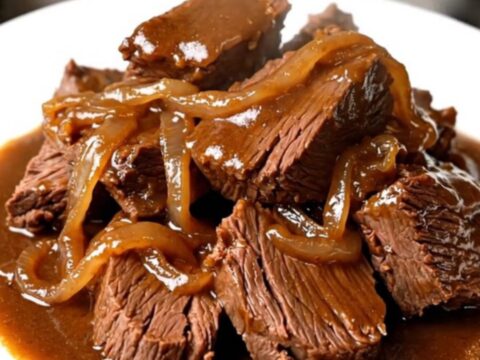
Slow Cooker Amber Beer Braised Beef for Tender Results
Total time: 8 h 15 min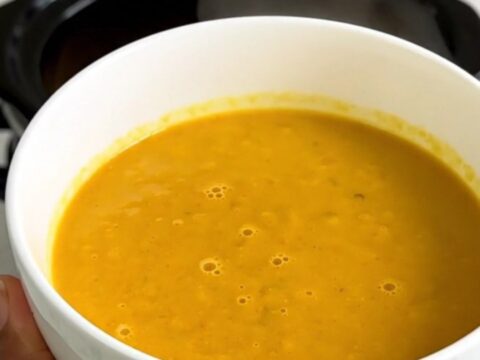
Slow Cooker Red Kuri Squash Soup with Bacon and Comté
Total time: 4 h 10 min
Slow Cooker Chicken and Eggplant Colombo
Total time: 4 h 15 min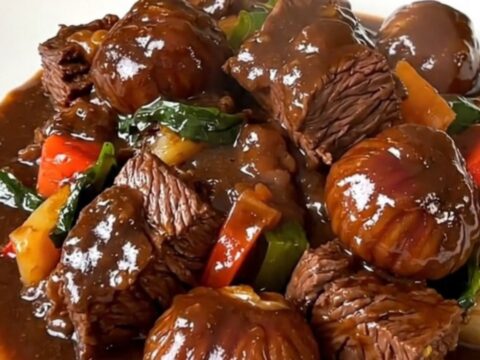
Slow Cooker Beef Bourguignon with Chestnuts
Total time: 8 h 20 min