Dinner · Part 2 of 3: Instructions
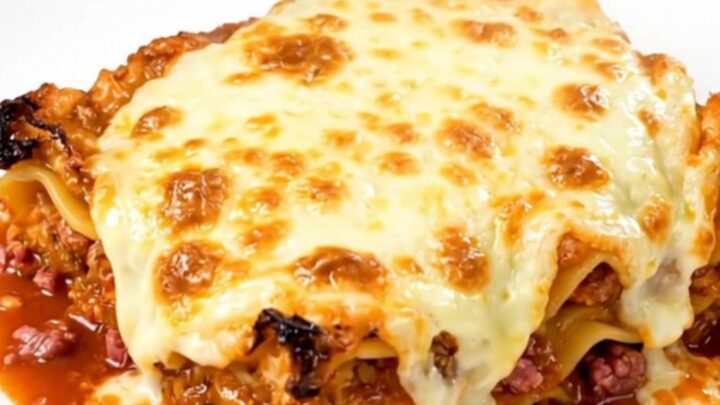
Easy Slow Cooker Meat Lover’s Lasagna Step-by-step instructions
- Prep
- Cook
- Total
- Serves
- 6
Before you start
Ensure the slow cooker insert is clean and dry. Have all ingredients measured and ready to go. Because the recipe uses raw meat, maintain good kitchen hygiene by washing hands thoroughly before and after handling the ground beef.
Clear the workspace to allow for efficient assembly. Do not pre-heat the slow cooker, as the recipe is designed to start with the ingredients at room temperature or from the refrigerator. Make sure the countertop is clean and you have a sturdy spatula available for serving later.
Ingredients at a glance (4)
- 1 lb ground beef
- 8 oz lasagna noodles, broken into pieces
- 1 packet Italian seasoning
- 24 oz marinara sauce
Instructions
Assembling the layers
- Layering the ingredientsPlace the raw ground beef into the bottom of the slow cooker, crumbling it into small pieces as you add it. Scatter the broken lasagna noodles evenly over the meat to ensure they cook through during the slow cooking process.Look for The meat is evenly spread across the base of the slow cooker insert.Tip Ensure the noodles are broken into smaller, manageable pieces to allow for better sauce absorption.
The ingredients are arranged in the slow cooker in the correct order. The ground meat is crumbled at the bottom, and the noodles are distributed evenly. Check that the seasoning is distributed over the noodles before adding the sauce, ensuring a balanced flavor throughout the dish.
Adding the sauce
- Seasoning and saucingSprinkle the Italian seasoning packet over the top of the noodles. Pour the marinara sauce over the entire mixture, ensuring that all noodles are well-covered with sauce to prevent them from drying out during the cooking time.Look for The sauce is poured and covers the noodles completely.Tip Use a spatula to gently push down any noodles that are sticking up above the sauce level.
The marinara sauce is poured over the top. The noodles should be fully coated to ensure they cook evenly. Check that no large gaps exist where the meat might dry out, and ensure the sauce reaches the edges of the slow cooker insert for consistent cooking.
Slow cooking and resting
- Cooking and servingCover the slow cooker and cook on high for 4 hours. Once the cooking time is complete, check that the ground meat has reached an internal temperature of 160°F (71°C). Let the lasagna rest for 10 minutes before serving to allow the sauce to thicken slightly.Look for The meat is browned and the noodles are tender when pierced with a fork.Safe temperature 160°F (71°C) internal temperature (ground meat)Tip If the sauce looks too thick, stir in a splash of water or broth before serving.
The lasagna has finished its cooking cycle and the kitchen smells savory and fragrant. The meat is fully cooked through at 160°F (71°C). Allow the dish to rest for 10 minutes to let the sauce thicken, making it easier to serve without it falling apart.
Common mistakes
A common mistake is failing to ensure the noodles are fully submerged in the marinara sauce, which can lead to crunchy, undercooked pasta.
Take a moment to push down any stray noodle edges. Another error is lifting the lid too frequently, which releases heat and steam, significantly increasing the cooking time.
Resist the urge to peek during the first few hours. Finally, avoid using extremely lean meat, as the fat is necessary to keep the dish moist and flavorful throughout the long cooking process.
How to tell it’s done
The lasagna is fully cooked when the ground meat reaches an internal temperature of 160°F (71°C) as measured by a food thermometer. The noodles should be tender, and the sauce should appear thick and bubbly.
If the center seems undercooked, continue cooking for an additional 30 minutes. Let the dish rest for at least 10 minutes after turning off the heat; this allows the sauce to settle and makes serving much easier, ensuring the layers hold their shape when plated.
- Ground meat: 160°F (71°C) in the thickest part
Up next · Part 3 of 3
2 variations · storage & make-ahead · 3 answers · printable card
Tips, FAQ & printable recipe (Part 3)← Back to the ingredients (Part 1)