Dinner · Part 3 of 3: Tips & recipe card
Easy Slow Cooker Huli Huli Chicken Thighs Tips, FAQ & printable recipe

- Prep
- Cook
- Total
- Serves
- 6
Tips for success
If you find the sauce is too sweet, you can balance it by adding a teaspoon of rice vinegar or a dash of chili flakes for a subtle heat. This helps to brighten the flavors and adds another dimension to the dish, making the sweet pineapple notes feel more sophisticated and less one-dimensional when served.
To maximize flavor, you can marinate the chicken in the soy sauce and ginger mixture for up to two hours in the refrigerator before placing it in the slow cooker.
This infuses the meat with the marinade before the cooking even starts, resulting in a more intense flavor profile throughout every bite of the finished chicken.
Variations
- Spicy Huli Huli: Add a tablespoon of sriracha or a teaspoon of red pepper flakes to the sauce before cooking to introduce a pleasant heat that complements the pineapple sweetness.
- Savory Garlic Twist: Incorporate three cloves of minced garlic along with the ginger to provide a deeper, more pungent savory base that pairs exceptionally well with the soy sauce.
Storage and make-ahead
- Fridge
- Keep refrigerated in an airtight container for up to 3 days.
- Freezer
- Freeze in a freezer-safe container for up to 2 months. Thaw overnight in the refrigerator before reheating.
- Reheat
- Reheat in a saucepan over medium heat until the internal temperature reaches 165°F (74°C), adding a splash of water if the sauce has become too thick.
Transfer any leftovers into an airtight container within two hours of cooking to ensure food safety. The chicken can be stored in the refrigerator for up to three days. When storing, try to include some of the sauce with the chicken to prevent it from drying out when reheated later in the week.
This dish is perfect for making ahead of time as the flavors often meld and improve after sitting in the refrigerator overnight.
You can prepare the entire dish, let it cool completely, and then store it. When ready to eat, simply reheat it gently on the stovetop or in the microwave until it is piping hot throughout.
Serving ideas
Serve this chicken over a bed of fluffy white or brown rice to soak up the delicious amber sauce.
A side of stir-fried vegetables like bok choy or snap peas adds a nice crunch that contrasts well with the tender, glazed chicken, creating a balanced and satisfying meal that feels like a complete dining experience.
For a lighter presentation, serve the chicken in lettuce wraps topped with fresh cilantro and a squeeze of lime juice. This version is excellent for gatherings or casual lunches.
The freshness of the raw vegetables complements the deep, savory notes of the slow-cooked sauce, offering a refreshing twist on this classic Hawaiian-inspired recipe.
Frequently asked questions
Can this be made in an Instant Pot?
Why does the sauce look thin?
Can this be frozen for later?
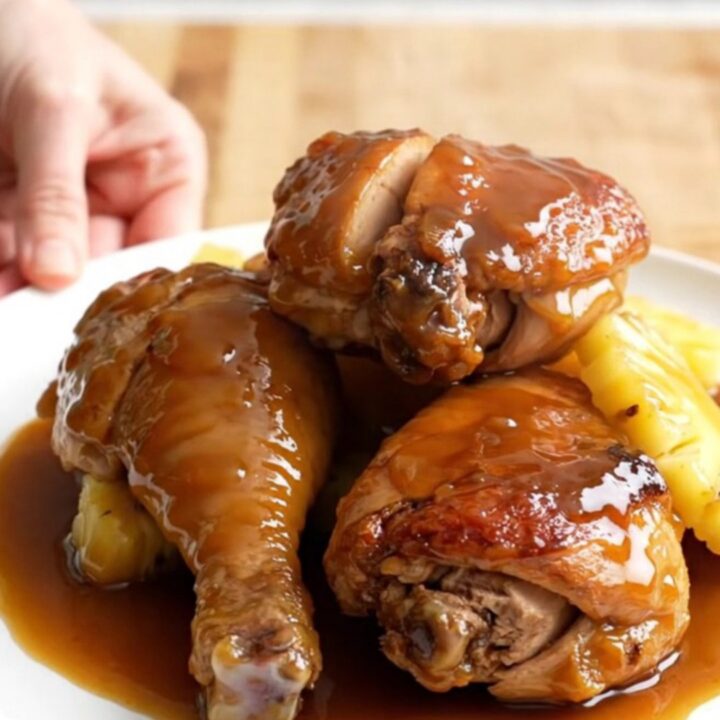
Easy Slow Cooker Huli Huli Chicken Thighs
Ingredients
- 2 lb boneless skinless chicken thighs
- 1 cup pineapple chunks
- 1 tsp ground ginger
- 1/2 cup pineapple juice
- 1/2 cup soy sauce
Instructions
- Place the boneless skinless chicken thighs into the basin of your slow cooker. Ensure they are arranged in a single, even layer to promote consistent cooking throughout the process.
- Scatter the pineapple chunks over the chicken. Sprinkle the ground ginger evenly across the surface. Pour the pineapple juice and soy sauce over the ingredients to create the braising liquid.
- Cover the slow cooker and cook on high for 4 hours. Once done, ensure the chicken reaches an internal temperature of 165°F (74°C). Allow the meat to rest for at least 5 minutes before serving with the sauce.
Estimated nutrition per serving
- Calories
- 320
- Protein
- 28 g
- Carbohydrates
- 18 g
- Fat
- 14 g
- Fiber
- 1 g
- Sugar
- 15 g
- Sodium
- 850 mg
Next recipe

Slow Cooker Garlic Parmesan Sausage and Potatoes
See the recipe → →This recipe is based on a short cooking video and is published under the pen name Clara Weller. It was checked before publication, but errors can slip through. Nutrition, when shown, is an estimate. Read more in our editorial policy and on our food safety page.
More recipes to try

Slow Cooker Ground Turkey Hamburger Soup
Total time: 4 h 10 min
Easy Crescent Roll Pizza Bake for Busy Weeknights
Total time: 30 min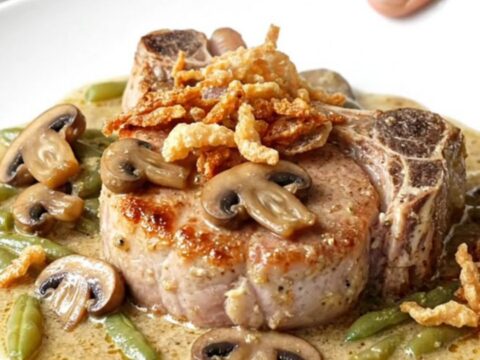
Easy Slow Cooker Pork Chops with Green Bean Casserole
Total time: 4 h 8 min
Slow Cooker Poor Man's Steak with Creamy Mushroom Gravy
Total time: 4 h 10 min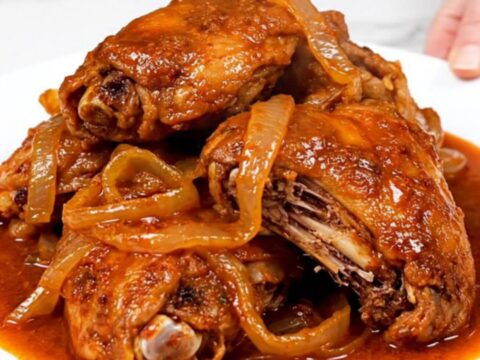
Slow Cooker Chicken Birria for Easy Weeknight Dinners
Total time: 6 h 15 min