Desserts · Part 2 of 3: Instructions
Easy Slow Cooker Bread Pudding with Raisins Step-by-step instructions
- Prep
- Cook
- Total
- Serves
- 6
Before you start
Before beginning, ensure all ingredients are measured and ready. If your bread is fresh, cut it into uniform one-inch cubes and spread them on a baking sheet to dry out for an hour. This ensures the bread absorbs the custard without falling apart during the cooking process.
Verify that your slow cooker is clean and that you have a reliable food thermometer on hand to check the internal temperature of the pudding once it has finished cooking. Setting everything up beforehand makes the assembly process smooth and efficient.
Ingredients at a glance (5)
- 6 cups stale bread cubes
- 1/2 cup raisins
- 1/2 cup granulated sugar
- 4 large eggs
- 2 cups whole milk
Instructions
Assembling the base
- Prepare the pudding baseArrange the stale bread cubes evenly across the bottom of the slow cooker. Scatter the raisins over the bread to ensure an even distribution throughout the dish.Look for bread should be spread in a single layerTip Using bread that is slightly dried out helps it absorb the custard better.
At the end of this phase, the bread and raisins should be evenly distributed across the bottom of the slow cooker. The bread cubes should be arranged in a single layer to ensure they all have equal contact with the custard mixture that will be added next. Confirm that the ingredients are ready to be topped with the liquid components to prevent any delay in the assembly process.
Adding the custard
- Add sweetener and custardSprinkle the granulated sugar over the bread and raisins. In a separate bowl, whisk together the eggs and milk until well combined, then pour the mixture slowly over the bread. Gently press the bread down to ensure it is fully submerged in the liquid.Look for bread should be completely soaked with the custardTip Pouring slowly ensures the liquid reaches all corners of the slow cooker.
Once the custard is poured over the bread and sugar, check that every piece of bread is thoroughly moistened. The mixture should reach the top of the bread layer but not necessarily submerge it entirely.
The bread should look saturated and heavy, indicating that it is ready to begin the slow cooking process. Ensure the sugar is evenly distributed to prevent any concentrated pockets of sweetness.
Cooking to perfection
- Cook and serveCover the slow cooker and cook on low for 3 hours. Ensure the custard is set and the center reaches 160°F (71°C) when tested with a food thermometer. Let the pudding rest for 10 minutes before serving warm.Look for pudding is golden brown and set in the centerSafe temperature 160°F (71°C) internal temperature (egg dishes)Tip Check the internal temperature to ensure the eggs are fully cooked.
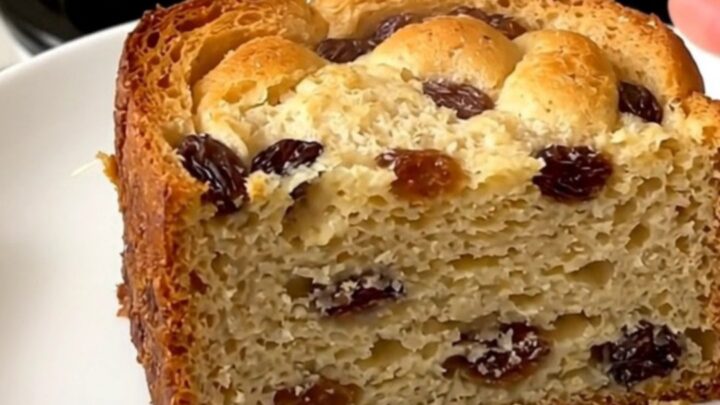
When the pudding is done, it will have a beautiful golden-brown color on top and a firm, set structure. The kitchen should smell like warm milk and vanilla. Before serving, check the internal temperature with a thermometer to ensure it has reached 160°F (71°C). The pudding should be slightly pulled away from the sides of the slow cooker, indicating that it is ready to be portioned and enjoyed.
Common mistakes
Avoid using bread that is too fresh, as it will likely disintegrate into a mushy consistency rather than maintaining its shape. Do not skip the resting period after cooking, as the pudding needs time to set properly; cutting into it too early will result in a messy presentation.
Additionally, ensure the slow cooker lid is kept closed throughout the cooking time to maintain a consistent temperature. Opening the lid frequently releases trapped heat and steam, which can significantly extend the cooking time and lead to uneven results.
How to tell it’s done
The bread pudding is done when the custard has fully set and the top appears golden and slightly firm. When you gently press the center with a spoon, it should spring back slightly and not feel liquid.
Most importantly, use a food thermometer to check the center; it must reach an internal temperature of 160°F (71°C) to ensure the eggs are thoroughly cooked and safe to consume. Let it rest for 10 minutes to allow the layers to settle before serving.
- Egg dishes: 160°F (71°C) in the thickest part
Up next · Part 3 of 3
2 variations · storage & make-ahead · 3 answers · printable card
Tips, FAQ & printable recipe (Part 3)← Back to the ingredients (Part 1)