Dinner · Part 1 of 3: Ingredients
Easy Slow Cooker Beijing Beef for a Savory Weeknight Dinner
- Prep
- Cook
- Total
- Serves
- 4
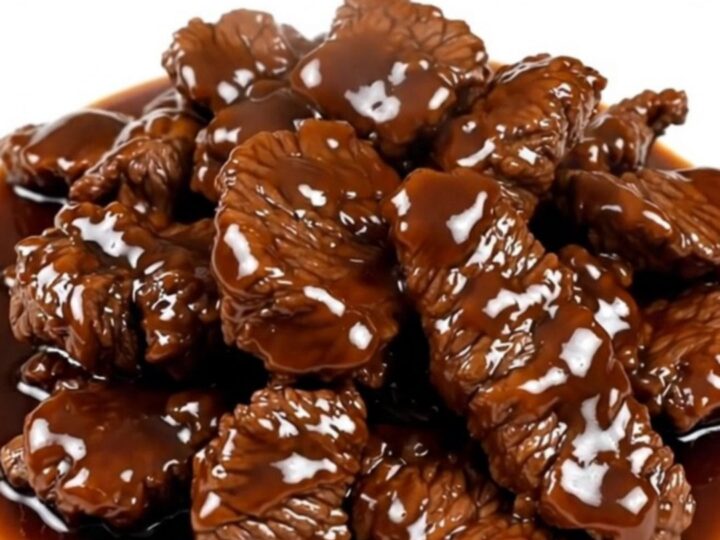
Unlock the secret to a perfectly tender, restaurant-style Beijing beef right in your own kitchen with this simple slow cooker method. By combining fresh flank steak with crisp bell peppers and savory sauce, you achieve a complex, glossy result without standing over a hot stove for hours. This recipe is designed for maximum flavor and minimal effort, making it an ideal choice for busy weeknights when a comforting, hearty meal is required to round out the day.
Beijing beef is a classic favorite known for its signature balance of savory, sweet, and tangy notes. This version simplifies the process significantly by utilizing the slow cooker to break down the flank steak until it is melt-in-your-mouth tender.
The onions and red bell peppers provide a necessary crunch that contrasts beautifully with the saucy beef. Because the slow cooker maintains a consistent, gentle heat, the flavors of the sauce meld deeply into the meat, ensuring every bite is packed with delicious, savory goodness that is sure to please the entire family.
Ingredients
Main Ingredients
- 2 lb flank steak, thinly sliced against the grain
- 1 large yellow onion, cut into thick slices
- 2 medium red bell peppers, cut into squares
Sauce
- 1 cup savory sauce, store-bought or made ahead
Why this recipe works
The slow cooking method is ideal for flank steak because it allows the tough muscle fibers to break down slowly over several hours. This process transforms a typically lean and chewy cut into a tender, succulent protein.
By layering the ingredients carefully, the meat remains close to the heat source while the vegetables are gently steamed by the rising aromatic juices, resulting in perfectly cooked components that retain their structural integrity without becoming mushy.
Using a savory sauce base in a slow cooker environment creates a concentrated, glossy glaze as the liquid reduces and combines with the natural juices from the beef and onions.
This method ensures that the sauce adheres perfectly to the meat, providing that characteristic coating associated with traditional Beijing beef. The controlled environment of the slow cooker prevents the sauce from burning, which is a common risk when cooking at high heat, allowing for a deeper development of flavors.
Notes and substitutions
When selecting flank steak, look for a piece with minimal connective tissue and a vibrant red color. It is essential to slice the meat against the grain; this technique shortens the muscle fibers, which dramatically improves the final texture of the dish. If flank steak is unavailable, top round or sirloin can be used as a suitable substitute, though they may require slightly different cooking times to achieve the same level of tenderness.
The equipment required is minimal, consisting primarily of a reliable slow cooker with a well-fitting lid to trap moisture and heat. Ensure the insert is clean and properly seated before beginning.
For the savory sauce, a high-quality pre-made version works excellently, but if preparing from scratch, ensure it has a good balance of soy and aromatics. A plain white platter is recommended for serving to highlight the rich, glossy appearance of the finished beef.
- flank steak: sirloin steak or top round steak cut into thin strips
- savory sauce: a mixture of soy sauce, hoisin, brown sugar, and ginger
Equipment
- slow cooker
- chef knife
- cutting board
- measuring cup
- serving platter
Up next · Part 2 of 3
3 steps · 4 h of cooking · what to look for at each stage
Step-by-step instructions (Part 2)