Dinner · Part 2 of 3: Instructions
Easy Lemon Butter Shrimp Scampi Linguine Step-by-step instructions
- Prep
- Cook
- Total
- Serves
- 4
Before you start
Before beginning, ensure all ingredients are prepped and ready for use. Peel and devein the shrimp, and pat them dry with paper towels. Slice the garlic thinly using a sharp knife to ensure even browning.
Measure the wine, lemon juice, and butter so they are within arm's reach. If the linguine is not yet cooked, boil it in salted water until al dente, drain it, and set it aside. Having everything organized will make the cooking process smooth and efficient.
Ingredients at a glance (7)
- 1 lb raw shrimp, peeled and deveined
- 4 tbsp unsalted butter
- 4 cloves garlic, thinly sliced
- 1/2 cup dry white wine
- 2 tbsp fresh lemon juice
- 8 oz linguine pasta, boiled
- fresh parsley, chopped, for serving
Instructions
Sautéing the aromatics and protein
- Sauté the shrimpPlace the copper skillet over medium heat and add the butter. Once the butter is melted and bubbling, add the sliced garlic and the raw shrimp. Sauté until the shrimp begin to turn opaque and pink, ensuring they are cooked through to an internal temperature of 145°F (63°C).Look for Shrimp should turn opaque and pink.Safe temperature 145°F (63°C) internal temperature (shellfish)Tip Do not overcrowd the skillet to ensure even cooking.
The kitchen should be filled with the rich, savory aroma of butter and toasted garlic. The shrimp should have transformed from translucent grey to a beautiful, opaque pink color.
The butter in the skillet will be bubbling and slightly golden, indicating the base of the sauce is ready for the liquids.
Deglazing and creating the sauce
- Create the saucePour the dry white wine and the fresh lemon juice into the skillet with the shrimp. Allow the liquid to simmer for a minute or two to reduce slightly, allowing the flavors to meld together into a light, aromatic sauce.Look for The sauce should simmer and reduce slightly.Tip Reduce the heat slightly if the wine splatters too much.
The addition of white wine and lemon juice should create a lively, bubbling reaction in the pan. The liquid will reduce slightly, thickening the sauce as it incorporates the residual butter from the pan. The scent should shift from purely savory to bright, citrusy, and slightly acidic.
Tossing the pasta
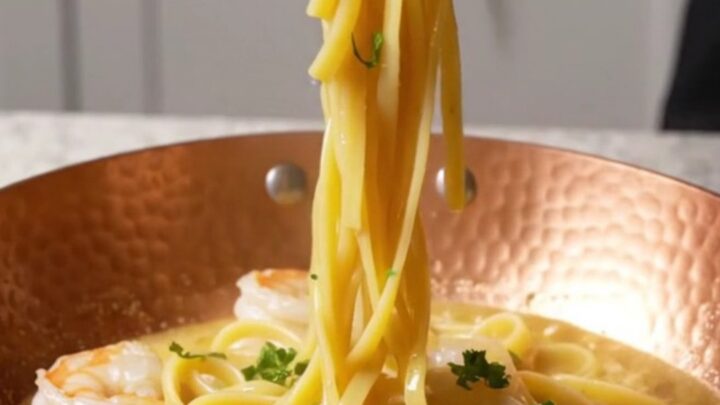
- Toss and serveAdd the pre-boiled linguine directly into the skillet with the shrimp and sauce. Use tongs to toss everything together until the pasta is well coated and steaming. Remove from the heat, sprinkle with the fresh chopped parsley, and serve immediately.Look for Pasta should be well coated in the butter sauce.Tip Toss gently so the pasta does not break.
The linguine should look glossy and vibrant as it absorbs the sauce. Every strand should be coated, and the shrimp should be evenly distributed throughout the pasta. The final addition of fresh parsley should add a bright splash of green, signalling that the dish is ready to be plated and enjoyed.
Common mistakes
A common mistake is overcrowding the pan, which causes the shrimp to steam in their own juices rather than sear in the butter, leading to a mushy texture. Another error is adding the wine too quickly without letting the garlic soften, which can result in a raw, harsh garlic flavor.
Finally, failing to properly drain the linguine can introduce excess water into the skillet, which dilutes the delicate lemon butter sauce and prevents it from clinging to the pasta properly.
How to tell it’s done
The shrimp are perfectly done when they are opaque, firm to the touch, and have curled into a loose C-shape. They should reach an internal temperature of 145°F (63°C). The pasta should be tender but still retain a slight bite, known as al dente.
If the shrimp look translucent or grey, they need more time; if they are tightly curled into an O-shape, they may be overcooked. The sauce should be glossy and slightly thickened, coating the noodles evenly.
- Shellfish: 145°F (63°C) in the thickest part
Up next · Part 3 of 3
2 variations · storage & make-ahead · 3 answers · printable card
Tips, FAQ & printable recipe (Part 3)← Back to the ingredients (Part 1)