Desserts · Part 1 of 3: Ingredients
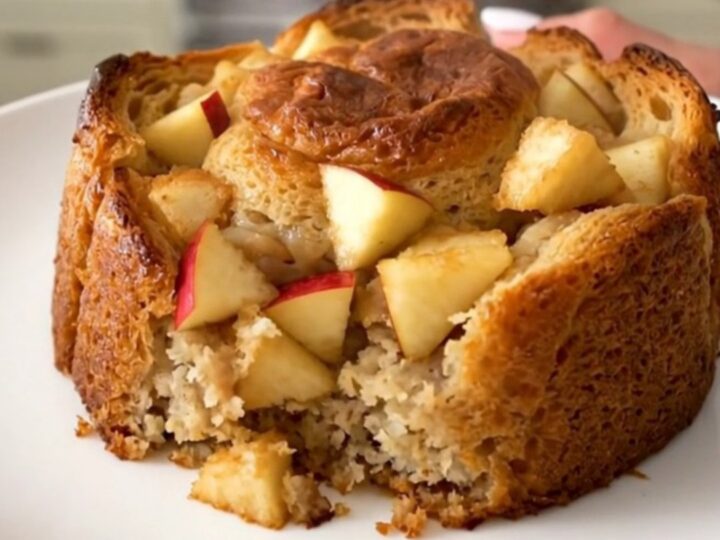
Easy Crockpot Apple Cinnamon Bread Pudding
- Prep
- Cook
- Total
- Serves
- 6
Transform humble pantry staples into a decadent, warm dessert without needing to turn on your oven. This slow cooker bread pudding relies on the gentle, even heat of your crockpot to create a tender, custard-soaked masterpiece that feels like a hug in a bowl, making it the perfect stress-free conclusion to any family meal or weekend brunch gathering.
Bread pudding is one of those timeless desserts that proves simple ingredients are often the best. By using a slow cooker, the bread has ample time to soak up the sweet, spiced custard, resulting in a texture that is impossibly soft and comforting.
The addition of fresh, diced apples provides a natural sweetness and a subtle tartness that cuts through the richness of the custard, while ground cinnamon ties everything together with its warm, inviting aroma. This recipe is designed for ease, allowing the slow cooker to do the heavy lifting while the kitchen fills with a delightful scent.
Ingredients
- 6 cups bread cubes, cut into 1-inch pieces
- 2 cups diced apples, peeled and cored
- 1 tsp ground cinnamon
- 2 cups custard mixture (milk, eggs, and sugar)
Why this recipe works
The slow cooker method works by creating a moist, gentle environment that prevents the bread from drying out during the cooking process. As the custard heats, it slowly thickens and binds the bread cubes together, while the trapped steam ensures the apples soften perfectly without turning into mush. This slow, steady heat is ideal for custard-based desserts, which can easily curdle if exposed to the high, direct heat often found in traditional ovens.
Furthermore, this technique allows for a hands-off approach that guarantees consistent results every single time. By layering the ingredients rather than stirring, you maintain the structural integrity of the bread, which helps create a beautiful contrast between the soft, soaked interior and the slightly firmer edges.
The consistent temperature of the slow cooker insert ensures that the custard sets evenly throughout the entire dish, providing a uniform texture that is both satisfying and professional in quality.
Notes and substitutions
When selecting bread for this recipe, consider the texture you prefer. Sturdier breads like brioche, challah, or day-old French bread are excellent choices because they possess enough structure to absorb the custard without disintegrating.
If you use a softer sandwich bread, ensure it is toasted or stale to prevent it from becoming overly mushy during the long cooking time. The quality of your bread will significantly influence the final mouthfeel of the pudding.
Regarding equipment, a standard oval or round slow cooker works perfectly for this recipe. Ensure your slow cooker insert is clean and, if you are concerned about sticking, lightly grease the sides with butter or non-stick spray before adding the ingredients.
While the recipe calls for two cups of custard, you can adjust the ratio of milk to eggs based on your preference for a firmer or creamier pudding. Always use fresh eggs to ensure the best flavor and stability in the finished custard.
- White bread cubes: Brioche or challah bread cubes for a richer flavor and texture
- Diced apples: Diced pears for a slightly softer, sweeter alternative
Equipment
- 6-quart slow cooker
- glass measuring cup
- cutting board
- chef knife
Up next · Part 2 of 3
3 steps · 3 h of cooking · what to look for at each stage
Step-by-step instructions (Part 2)