Dinner · Part 3 of 3: Tips & recipe card
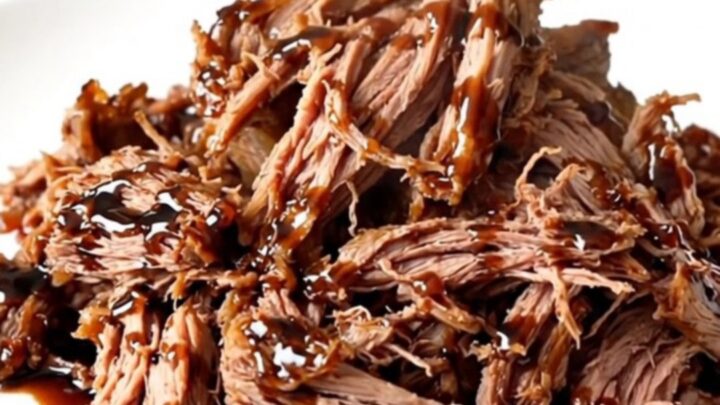
Easy Balsamic Glazed Slow Cooker Pot Roast Tips, FAQ & printable recipe
- Prep
- Cook
- Total
- Serves
- 6
Tips for success
For a deeper flavor profile, consider searing the roast in a hot pan with a small amount of oil before placing it into the slow cooker. This step adds a layer of complexity through the Maillard reaction, though it is optional.
If you choose to do this, ensure the roast is browned on all sides, then proceed with the slow cooking steps as directed in the recipe.
If you find the sauce is too thin after shredding the meat, you can remove the beef and simmer the remaining liquid in the slow cooker on the high setting with the lid off for 15 to 20 minutes. This will help the sauce reduce further, concentrating the flavors and thickening the consistency until it reaches your desired texture for coating the shredded beef.
Variations
- Spicy Balsamic Roast: Add a teaspoon of red pepper flakes or a dash of hot sauce to the balsamic glaze before pouring it over the beef for a subtle, warming kick.
- Garlic Herb Roast: Incorporate four cloves of minced fresh garlic and a tablespoon of dried Italian herb seasoning into the pot for a more aromatic and earthy flavor profile.
Storage and make-ahead
- Fridge
- Store in an airtight container for up to 3 days.
- Freezer
- Freeze in a freezer-safe container for up to 2 months.
- Reheat
- Reheat gently in a saucepan over low heat or in the microwave until heated through.
Store any leftovers in an airtight container to keep the meat moist. The balsamic glaze acts as a preservative for the meat, helping it retain its flavor and texture when stored. Ensure the meat has cooled to room temperature for no more than two hours before placing it in the refrigerator to maintain food safety standards and prevent bacterial growth.
This dish is excellent for making ahead, as the flavors often deepen and meld together after sitting in the refrigerator overnight. You can prepare the roast entirely, shred it, and store it in its juices.
When you are ready to eat, simply reheat the portion you need. It is a perfect solution for meal prepping throughout the week or for hosting a dinner with minimal last-minute effort.
Serving ideas
Serve the shredded balsamic pot roast over a bed of creamy mashed potatoes or steamed rice to soak up the rich, flavorful juices.
A side of roasted root vegetables or a crisp green salad with a light vinaigrette provides a nice contrast to the savory, sweet profile of the beef. The dish is versatile enough to be served in warm buns for a casual, hearty sandwich option as well.
For a more elegant presentation, garnish the shredded meat with freshly chopped parsley or chives to add a pop of color. Arrange the meat in a shallow bowl or on a warm platter, ensuring plenty of the balsamic reduction is drizzled over the top.
Serving it with a side of crusty bread is also highly recommended for dipping into the remaining sauce left on the plate.
Frequently asked questions
Can this be made ahead?
What is the best cut of beef for this recipe?
Is it necessary to add water to the slow cooker?
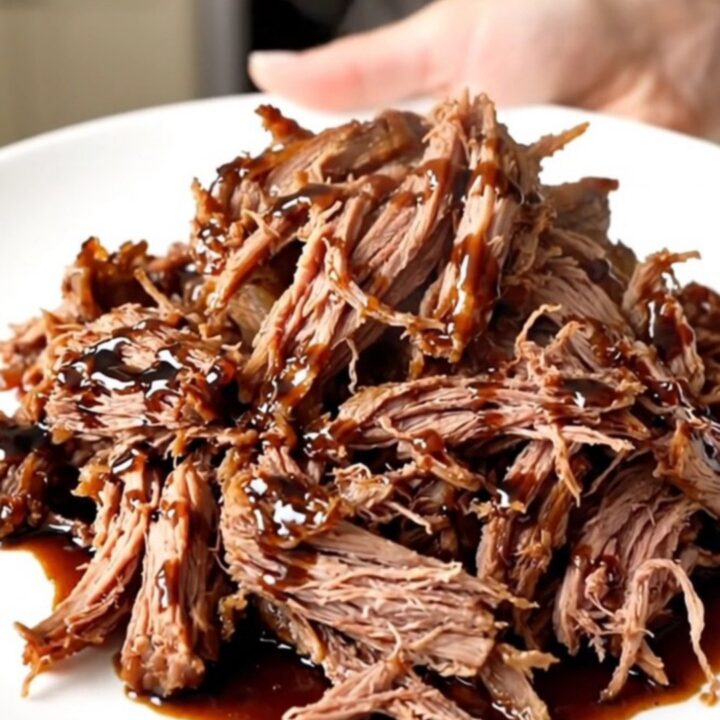
Easy Balsamic Glazed Slow Cooker Pot Roast
Ingredients
- 3 lb beef chuck roast
- 2 large yellow onions, sliced
- 1 packet pot roast seasoning mix
- 1/2 cup balsamic glaze
Instructions
- Place the beef roast into the basin of the slow cooker. Scatter the sliced onions evenly over and around the meat to ensure they cook down into the juices.
- Sprinkle the seasoning packet over the beef and onions. Pour the balsamic glaze directly over the top of the roast, ensuring it covers the meat and coats the onions.
- Cover the slow cooker and cook on low for 8 hours or until the beef reaches an internal temperature of 145°F (63°C). Remove the beef, let it rest for at least 5 minutes, then shred.
Estimated nutrition per serving
- Calories
- 420
- Protein
- 32 g
- Carbohydrates
- 12 g
- Fat
- 26 g
- Fiber
- 1.5 g
- Sugar
- 9 g
- Sodium
- 680 mg
Next recipe

One-Pot Creamy Sausage and Gnocchi Soup
See the recipe → →This recipe is based on a short cooking video and is published under the pen name Clara Weller. It was checked before publication, but errors can slip through. Nutrition, when shown, is an estimate. Read more in our editorial policy and on our food safety page.
More recipes to try

Easy Crockpot White Bean and Sausage Stew
Total time: 4 h 5 min
Creamy Cajun Sausage Pasta for Busy Weeknights
Total time: 4 h 15 min
Easy Slow Cooker Green Chile Pork Stew
Total time: 6 h 15 min
Slow Cooker Creamy Butternut Squash Soup
Total time: 4 h 10 min
Creamy Loaded Baked Potato Soup for Busy Weeknights
Total time: 4 h 10 min