Dinner · Part 1 of 3: Ingredients
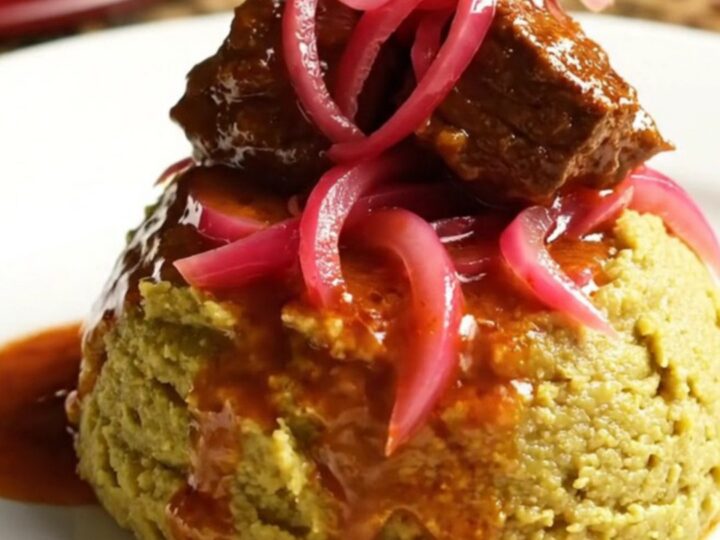
Dominican Crockpot Carne Guisada for Easy Island Flavor
- Prep
- Cook
- Total
- Serves
- 6
Transform humble beef chuck into a succulent Caribbean masterpiece with this effortless slow cooker method. By utilizing the gentle, sustained heat of a Crockpot, the tough fibers of the meat break down into melt-in-your-mouth perfection, while the tangy citrus and earthy oregano infuse every single bite with deep, island-inspired flavors that are usually reserved for all-day stovetop simmering.
This Dominican Carne Guisada recipe is the ultimate solution for home cooks seeking authentic Caribbean comfort without the constant kitchen monitoring. By combining high-quality beef chuck with the bright acidity of bitter orange and the savory depth of tomato paste, this dish achieves a complex profile that feels sophisticated yet remains incredibly accessible.
It is a perfect centerpiece for a family meal or a satisfying dinner that fills the house with the warmth of traditional island cooking, requiring only minimal effort to prepare.
Ingredients
Main Ingredients
- 3 lb beef chuck, cut into cubes
- 80 ml bitter orange juice
- 1 tbsp Dominican oregano
- 60 g tomato paste
- 1/2 cup green olives
- 1 cup red bell pepper strips
Why this recipe works
The slow cooking method is essential for beef chuck because it provides the time necessary for collagen to break down into gelatin. This transformation is what creates the signature tender, pull-apart texture that defines a great guisada, ensuring the meat is never tough or dry even after several hours of heat.
By using a Crockpot, you maintain a consistent environment that prevents the sauce from scorching while allowing the flavors of the oregano and bitter orange to penetrate deep into the meat fibers.
The combination of ingredients in this dish creates a balanced profile where acidity cuts through the richness of the beef. Tomato paste serves as the foundation for the thick, glossy gravy, providing a deep umami base that complements the citrus notes.
The addition of green olives introduces a briny element that brightens the entire stew, while the red bell peppers add a subtle sweetness, resulting in a cohesive sauce that coats the meat perfectly and enhances its natural savory qualities.
Notes and substitutions
When selecting beef chuck, look for pieces with good marbling, as the intramuscular fat is crucial for keeping the meat moist during the long cooking process. While the recipe calls for specific amounts, feel free to adjust the ratio of olives or peppers based on personal preference.
Using authentic Dominican oregano is highly recommended if available, as it offers a more citrusy and robust flavor profile than standard Mediterranean varieties, which is a hallmark of traditional Caribbean cuisine.
The choice of equipment is straightforward, as a standard ceramic Crockpot works best for this recipe. If you find that your slow cooker runs particularly hot, it is wise to check the progress of the beef around the 7-hour mark to ensure the meat stays tender and the gravy remains glossy. Always ensure that the lid fits snugly to trap the steam, as this moisture is vital for the braising process and prevents the sauce from reducing too much during the long simmer.
- bitter orange juice: a mix of 40 ml orange juice and 40 ml lime juice
- Dominican oregano: regular dried oregano
Equipment
- Crockpot
- Chef's knife
- Cutting board
- Measuring spoons
- Measuring cups
- Ladle
Up next · Part 2 of 3
3 steps · 7 h 30 min of cooking · what to look for at each stage
Step-by-step instructions (Part 2)