Dinner · Part 2 of 3: Instructions
Decadent Steakhouse Lobster Mac and Cheese at Home Step-by-step instructions
- Prep
- Cook
- Total
- Serves
- 4
Before you start
Before beginning, ensure all ingredients are measured and ready. Grate the cheeses in advance to facilitate a smooth melting process.
Cook the cavatappi pasta in salted boiling water until al dente, then drain and set aside. Have a preheated oven at 390°F (200°C) ready for the final baking phase to ensure a consistent result.
Ingredients at a glance (9)
- 350 grams Maine lobster meat, cubed
- 60 grams garlic-tarragon butter
- 200 grams aged Gruyère cheese, grated
- 200 grams sharp white cheddar cheese, grated
- 100 grams mascarpone cheese
- 500 milliliters lobster-stock cream sauce
- 400 grams cavatappi pasta
- 1 cup brioche crumbs
- lemon zest and chives for garnish for serving
Instructions
Lobster Poaching
- Prepare the lobster and cheesePoach the 350 grams of cubed Maine lobster in the 60 grams of garlic-tarragon butter over medium heat until opaque and tender. Remove the lobster from the skillet and set aside. Grate the 200 grams of Gruyère and 200 grams of sharp white cheddar using a box grater to ensure even melting during the sauce preparation.Look for The lobster should be firm and opaque, not rubbery.Safe temperature 145°F (63°C) internal temperature (shellfish)Tip Keep the lobster butter in the pan to add extra flavor to the cheese sauce.
The lobster pieces should be opaque and tender, having absorbed the garlic and tarragon flavors from the butter. The butter itself will be infused with seafood essence, which is critical for the final sauce depth.
Ensure the lobster is removed from the heat promptly to maintain its delicate texture before moving on to the sauce base.
Cheese Sauce Emulsion
- Create the cheese sauceIn a saucepan, bring the 500 milliliters of lobster-stock cream sauce to a gentle simmer. Gradually whisk in the grated Gruyère, sharp white cheddar, and the 100 grams of mascarpone until the sauce is completely smooth and thickened. Maintain a temperature around 185°F (85°C) to prevent the cheese from separating or curdling.Look for The sauce should be thick enough to coat the back of a spoon.Tip Whisk constantly to ensure a silky texture.
The sauce should appear thick, glossy, and perfectly smooth. When whisking, there should be no lumps of cheese remaining.
The mascarpone should be fully incorporated, providing a rich, creamy base that clings to the spoon. The aroma should be savory and fragrant, indicating that the cheeses have melted properly at the correct temperature.
Final Bake
- Assemble and bakeFold the prepared lobster and cooked 400 grams of cavatappi pasta into the cheese sauce. Transfer the mixture into a baking dish and sprinkle the 1 cup of brioche crumbs over the top. Bake in a preheated oven at 390°F (200°C) for 15 minutes until the top is golden and bubbling. Garnish with fresh lemon zest and chives before serving.Look for The top should be golden brown and the edges bubbling.Tip Use fresh herbs for the best flavor profile.
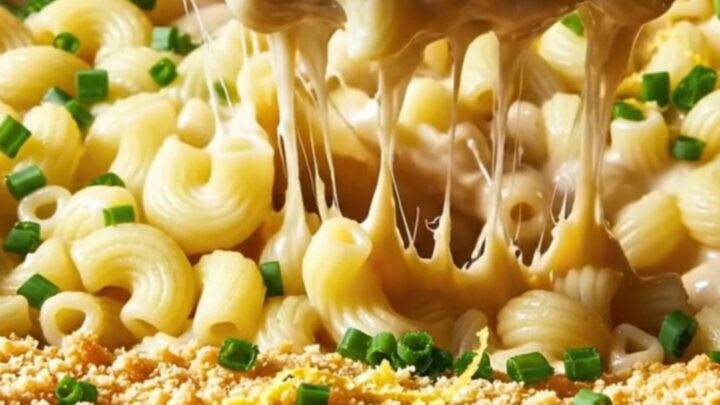
The final dish should have a golden, crispy crust from the brioche crumbs, contrasting with the bubbling, molten cheese underneath.
The pasta should be evenly coated, and the lobster pieces distributed throughout. The scent of toasted bread and melted cheese should be prominent, signaling the dish is ready to be served immediately.
Common mistakes
Avoid overcooking the lobster during the initial poaching stage, as it can become rubbery if left too long. Do not boil the cheese sauce once the cheeses have been added, as high heat can cause the fat to separate, resulting in a grainy or oily texture instead of a smooth, velvety consistency.
How to tell it’s done
The dish is done when the cheese sauce is bubbly and the brioche topping is a deep golden brown. The lobster should be fully cooked, reaching an internal temperature of at least 145°F (63°C), and the pasta should remain tender but hold its shape within the thick, creamy sauce.
- Shellfish: 145°F (63°C) in the thickest part
Up next · Part 3 of 3
2 variations · storage & make-ahead · 3 answers · printable card
Tips, FAQ & printable recipe (Part 3)← Back to the ingredients (Part 1)