Desserts · Part 2 of 3: Instructions
Dark Chocolate Orange Grand Marnier Soufflé Step-by-step instructions
- Prep
- Cook
- Total
- Serves
- 4
Before you start
Before starting, make sure all ingredients are at room temperature: eggs separate more easily and whip to a greater volume when warm. Butter and sugar the ramekins thoroughly and place them on a baking sheet. Prepare the blood orange chocolate anglaise in advance and keep it warm over low heat or in a thermos.
Preheat the oven to 375°F (190°C) and position a rack in the lower third. Have all equipment ready: a large bowl for the chocolate, a clean bowl for the egg whites, and an electric mixer. The entire process moves quickly once the meringue is whipped, so having everything measured and within reach is key.
Ingredients at a glance (8)
- 6 oz 70% dark chocolate, chopped
- 1 tbsp fresh orange zest
- 2 tbsp Grand Marnier
- 3 large egg yolks
- 4 large egg whites
- 1/4 cup granulated sugar, plus extra for ramekins
- 2 tbsp unsalted butter, softened, for ramekins
- 1 cup warm blood orange chocolate anglaise
Instructions
Prepare and Mix
- Prepare the Ramekins and Chocolate BasePreheat the oven to 375°F (190°C). Brush the inside of four 6-ounce ramekins with softened butter, then coat with granulated sugar, tapping out any excess. Place the ramekins on a baking sheet. In a heatproof bowl set over barely simmering water, melt the dark chocolate with the orange zest and Grand Marnier, stirring until smooth. Remove from heat and whisk in the egg yolks one at a time until fully incorporated.Look for The chocolate mixture is glossy and smooth, with no lumps.Tip Make sure the chocolate doesn't get too hot or the yolks will scramble.
- Whip the Egg WhitesIn a clean bowl, beat the egg whites with an electric mixer on medium speed until soft peaks form. Gradually add the remaining 1/4 cup sugar and continue beating until stiff, glossy peaks form. The whites should hold a firm peak when the beater is lifted.Look for The meringue is shiny and holds a stiff peak without drooping.Tip Ensure the bowl and beaters are completely grease-free for maximum volume.
At this stage, the chocolate mixture should be smooth and glossy, with the orange zest and Grand Marnier fully incorporated. The egg whites are whipped to stiff, glossy peaks that hold their shape. When you lift the beater, the peak should stand upright without drooping. The sugar should be fully dissolved into the meringue, giving it a silky sheen. The kitchen smells of melted chocolate and citrus—a preview of the treat to come. Before moving on, ensure the ramekins are properly coated and the oven is preheated.
Fold and Fill
- Fold the Meringue into the ChocolateAdd one-third of the whipped egg whites to the chocolate mixture and whisk gently to lighten it. Then, using a rubber spatula, fold in the remaining whites with a sweeping motion, turning the bowl as you go, until no white streaks remain. Be careful not to deflate the mixture.Look for The batter is uniformly dark, airy, and has a mousse-like texture.Tip Fold gently but thoroughly; overmixing will deflate the soufflés.
- Fill the RamekinsDivide the batter evenly among the prepared ramekins, filling them to the rim. Smooth the tops with a spatula or the back of a knife. Run your thumb around the inside edge of each ramekin to create a slight gap between the batter and the rim—this helps the soufflé rise evenly.Look for The ramekins are filled to the top and the surfaces are smooth.Tip Wiping the rim clean ensures a tall, even rise.
After folding, the batter should be uniformly dark, airy, and have a mousse-like texture. There should be no white streaks of egg white visible, but the mixture should still be light and billowy. The ramekins are filled to the brim, with smooth tops.
Running your thumb around the edge creates a small gap that will help the soufflé rise straight up. The baking sheet is ready to go into the oven. This is the moment to double-check that the oven temperature is correct and that no one will open the door during baking.
Bake and Serve
- Bake the SoufflésBake in the preheated oven for 14 minutes, until the soufflés have risen above the rims and the tops are cracked and dark. The center should still look slightly moist but set. Do not open the oven door during baking.Look for The soufflés are towering, with a crisp, cracked top and a fragrant orange-chocolate aroma.Safe temperature 160°F (71°C) internal temperature (egg dishes)Tip Resist opening the oven; the cold air will cause the soufflés to fall.
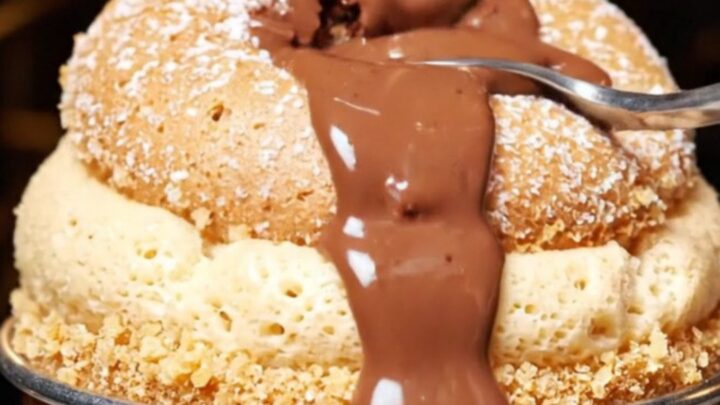
- Serve ImmediatelyRemove the baking sheet from the oven. To serve, pour a few tablespoons of warm blood orange chocolate anglaise into the center of each soufflé, letting it pool and melt into the chocolate. Serve at once, as soufflés begin to deflate within minutes.Look for The anglaise creates a glossy, molten center when poured.Tip Have the anglaise warm and ready before the soufflés come out of the oven.
After 14 minutes, the soufflés have risen above the rims, with dramatic cracks on top and a deep, dark color. The aroma is intensely chocolatey with a bright orange note. The tops are crisp to the touch, but the centers are still moist and molten. When you pour the warm anglaise into the center, it should sink slightly and create a glossy pool. The soufflés are best enjoyed immediately, with the contrast of crisp exterior and soft, saucy interior. This is the moment of triumph—serve with confidence.
Common mistakes
One common mistake is opening the oven door during baking, which lets in cold air and causes the soufflés to collapse. Another is overmixing the egg whites into the chocolate base, which deflates the batter and results in a dense, flat soufflé. Beating the egg whites too stiffly can also make them dry and difficult to fold in.
Using a bowl that isn't perfectly clean and grease-free will prevent the whites from whipping properly. Finally, under-buttering or under-sugaring the ramekins will cause the soufflé to stick and not rise evenly. Follow the recipe closely and resist the urge to peek.
How to tell it’s done
The soufflés are done when they have risen about 1 to 2 inches above the rim and the tops are cracked and deeply browned. The center should look slightly moist but not wet, and a skewer inserted into the side should come out with a few moist crumbs.
The internal temperature of the egg-based batter should reach 160°F (71°C) to ensure the eggs are fully cooked. Because soufflés are notoriously temperamental, it's better to slightly underbake than overbake—the center will be saucy and soft, which is the desired texture. Serve within minutes of removing from the oven.
- Egg dishes: 160°F (71°C) in the thickest part
Up next · Part 3 of 3
4 variations · storage & make-ahead · 5 answers · printable card
Tips, FAQ & printable recipe (Part 3)← Back to the ingredients (Part 1)