Dinner · Part 1 of 3: Ingredients
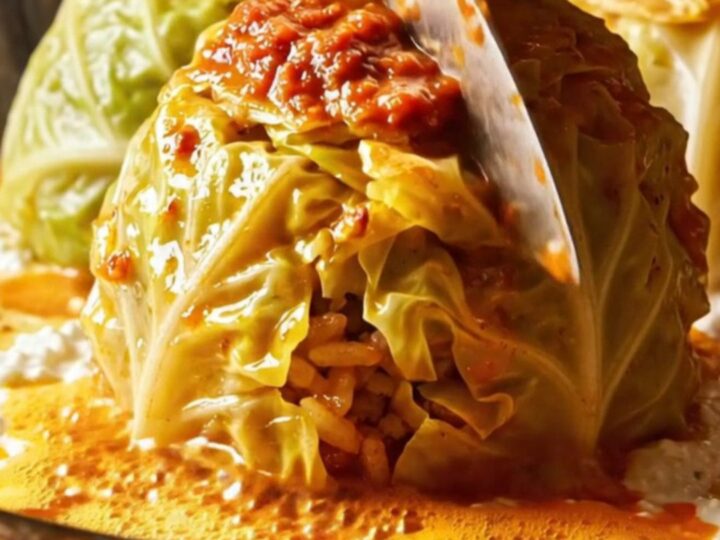
Cup-Molded Turkish Stuffed Cabbage Rolls: Golden & Flavorful
- Prep
- Cook
- Total
- Serves
- 4
Golden, juicy cabbage rolls are a Turkish classic, but this cup-molded version takes them to a new level. Tender cabbage leaves are lined into a glass cup, packed with a spiced beef and rice filling, then inverted onto a baking dish to form perfect domes.
Baked in a rich tomato broth and finished with garlic yogurt and sizzling paprika butter, each slice reveals a fragrant, mouthwatering center. This recipe delivers all the comfort of traditional stuffed cabbage with a stunning presentation that will impress at any dinner table.
These cup-molded Turkish stuffed cabbage rolls are a beautiful twist on the beloved classic. The cabbage leaves are boiled until pliable, then used to line individual cups before being filled with a savory mixture of ground beef, rice, and warm spices.
Once inverted and baked in a tomato broth, the rolls become golden and caramelized on the outside while staying tender and juicy inside. Served over chilled garlic yogurt and drizzled with sizzling paprika butter, each bite is a perfect balance of tangy, savory, and rich flavors. This recipe is ideal for a special dinner or a comforting family meal.
Ingredients
- 12 large leaves savoy cabbage leaves
Filling
- 1 lb ground beef (80% lean)
- 1/2 cup uncooked white rice
- 1 medium onion, finely chopped
- 2 cloves garlic, minced
- 1 tsp salt
- 1/2 tsp black pepper
- 1 tsp smoked paprika
Broth
- 2 tbsp tomato paste
- 2 cups water
- 3 tbsp olive oil
Serving
- 1 cup plain yogurt, for serving
- 2 tbsp butter, for paprika butter
- 1 tsp paprika, for paprika butter
Why this recipe works
Molding the cabbage rolls in a cup creates perfectly uniform, dome-shaped parcels that bake evenly and look stunning on the plate.
The cup method also makes the assembly process much easier than traditional rolling, as the cabbage leaves simply drape over the cup and are folded over the filling. This technique ensures every roll is tightly packed and holds its shape beautifully, even after hours of baking.
Baking the rolls in a tomato broth keeps them moist and infuses them with deep, savory flavor. The broth also helps caramelize the tops of the cabbage domes, adding a subtle sweetness and golden color.
Serving the rolls over garlic yogurt provides a cool, creamy contrast, while the sizzling paprika butter adds a final layer of richness and a beautiful red hue. This combination of textures and flavors is what makes this dish truly memorable.
Notes and substitutions
Choose large, flexible cabbage leaves, such as savoy or green cabbage, for the best results. Boil them just until they are pliable enough to bend without tearing. If the leaves are very thick, you can trim the heavy stem to make folding easier. The filling uses standard ground beef and white rice, which are easy to find and cook perfectly within the baking time.
For the garlic yogurt, use a thick plain yogurt or Greek yogurt for a creamier texture. The paprika butter is made with just butter and paprika, but you can add a pinch of salt or a dash of cayenne for extra kick. If you don't have glass cups, small oven-safe bowls work just as well. The baking dish should be large enough to hold the domes without overcrowding, so they cook evenly.
- ground beef: Ground lamb or a mix of beef and lamb works beautifully. For a lighter version, use ground turkey (adjust cooking time to ensure 165°F).
- savoy cabbage: Green cabbage can be used; boil leaves a bit longer until pliable. Napa cabbage is more delicate and may tear—handle gently.
- plain yogurt: Greek yogurt is thicker and tangier; if using, thin with a splash of milk or water for a spoonable consistency.
- smoked paprika: Use sweet paprika for a milder flavor, or hot paprika for extra heat. Regular paprika works if that's what you have.
Equipment
- Large pot for boiling cabbage
- Glass dessert cups or small bowls
- Baking dish (borcam or similar)
- Chef's knife
- Cutting board
- Small saucepan for broth
- Small skillet for paprika butter
Up next · Part 2 of 3
9 steps · 55 min of cooking · what to look for at each stage
Step-by-step instructions (Part 2)