Breakfast · Part 2 of 3: Instructions
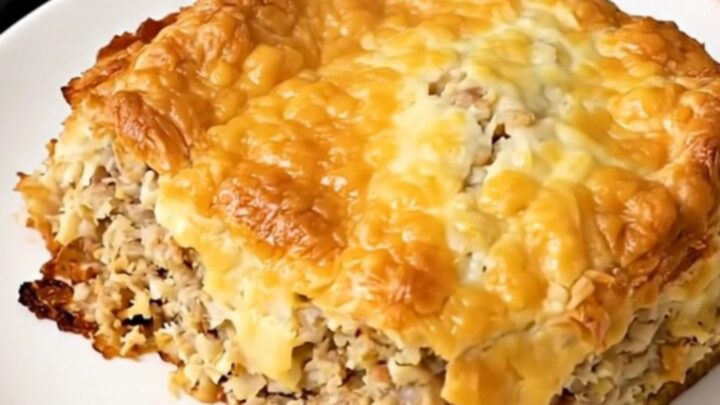
Crockpot Sausage Hash Brown Breakfast Casserole, Assembled in 15 Minutes Step-by-step instructions
- Prep
- Cook
- Total
- Serves
- 6
Before you start
Thaw the hash browns in the refrigerator overnight, or spread them on the counter for 30 minutes, then press them between paper towels to lift off surface moisture. Grate the cheddar if starting from a block, and measure everything out before the skillet goes on the heat; the assembly moves in quick succession once the sausage is ready.
Set the slow cooker where it will spend the day, away from cabinet edges and with the cord safely behind it. Have the glass measuring cup and whisk ready for the eggs. If serving right away, set the table and plates before starting, because once the lid goes on there is nothing to do but wait.
Ingredients at a glance (4)
- 1 lb breakfast sausage, casings removed if needed
- 20 oz frozen shredded hash browns, thawed
- 2 cups shredded cheddar cheese
- 8 large eggs, whisked
Instructions
Brown and drain the sausage
- Brown the sausageSet a large skillet over medium heat and add the breakfast sausage. Break it into small crumbles with a spatula and cook, stirring often, for 8 to 10 minutes. Keep the pieces small and even so they scatter well later. The sausage is done when no pink remains and it reaches an internal temperature of 160°F (74°C).Look for The crumbles turn deep brown at the edges and the skillet stops releasing pink juices.Safe temperature 160°F (71°C) internal temperature (ground meat)Tip Small, uniform crumbles distribute through every slice instead of clumping into a few meaty pockets.
- Drain the crumblesTip the skillet and spoon the cooked sausage onto a plate lined with a folded paper towel, or pour it through a fine strainer. Discard the rendered fat. Let the crumbles sit for two minutes so steam escapes; sausage added hot and wet can make the cheese layer greasy and the potatoes soggy.Look for No pooled fat shines on the plate under the crumbles.Tip Draining is the single step that keeps the finished casserole from tasting heavy.
At the end of this phase the sausage is fully cooked, deep brown, and dry. The crumbles are small and even, no pink shows anywhere when a piece is broken open, and the paper towel or plate beneath them shows no pooled fat. The kitchen smells of browned sausage, not grease. Before moving on, confirm the internal temperature reached 160°F (74°C) and that the crumbles have had a minute to release their steam; hot, wet sausage added straight to the pot is what turns the cheese layer greasy.
Build the layers in the pot
- Layer the hash brownsSpread the thawed shredded hash browns across the bottom of the slow cooker insert in an even layer. Press them down lightly with the back of a spoon so they knit together as they cook. Covering the ceramic completely matters; bare patches let egg pool and set into a plain omelet strip.Look for The ceramic bottom is no longer visible anywhere in the pot.Tip Thawed potatoes tuck into corners better than frozen ones and release less water.
- Scatter the sausageDrop the drained sausage crumbles over the hash brown layer, sprinkling them from a few inches up so they fall evenly rather than in clumps. Aim for the edges as well as the center. Every serving should pick up meat without needing to dig for it.Look for The brown layer sits proud of the potatoes but stays loose, not packed.Tip Resist pressing the sausage down; leaving the crumbles unpressed keeps them tender as the eggs rise around them.
- Add the cheddarSprinkle the shredded cheddar over the sausage and potatoes in two passes, checking that the corners and center are covered. Keeping the cheese under the eggs rather than only on top protects it from drying out during the long, gentle cook and helps the layers bind into clean slices.Look for An even pale-gold blanket hides most of the layer beneath it.Tip Bagged cheese works fine here; toss it with a teaspoon of flour if clumped.
- Whisk and pour the eggsCrack the eggs into a glass measuring cup and whisk until completely uniform, about 45 seconds, with no streaks of white left. Pour the eggs slowly and evenly over the layers, moving your hand in a spiral from the center outward. Do not stir; the layers should stay distinct.Look for Egg settles into every gap, with the cheese still peeking through in spots.Tip Whisking well is what gives the casserole a smooth, even crumb instead of pale streaks.
The insert now holds four distinct layers with no mixing between them: hash browns pressed into an even base with no visible ceramic, sausage scattered edge to edge, cheddar blanketing the top, and egg settled into every gap without stirring.
Tilt the pot gently; the egg should reach the corners but not float above the cheese in a deep pool. If any corner shows bare ceramic or bare potatoes, patch it before the lid goes on, because uncovered spots cook differently and show up as uneven slices later.
Slow cook, rest and serve
- Slow cook until setCover the slow cooker and cook on low for 3 1/2 to 4 hours. Check at 3 1/2 hours: insert an instant-read thermometer into the center of the casserole. It is ready when the eggs are completely set and register 160°F (74°C) in the middle. If it needs more time, check again every 20 minutes.Look for The top turns matte and golden at the edges and no egg gloss remains in the center.Safe temperature 160°F (71°C) internal temperature (egg dishes)Tip Lift the lid only to check; every peek adds 15 to 20 minutes to the cook.
- Rest, slice and serveTurn off the cooker and let the casserole rest, covered, for 10 minutes. The layers firm up as they cool slightly, so slices hold their shape instead of slumping. Cut into wedges or squares straight in the insert, lift out with a wide spatula, and serve while steaming hot.Look for A knife inserted at the edge comes out clean, and the first slice lifts in one piece.Tip A thin spatula slid under each wedge keeps the hash brown crust attached.
After the low cook, the top is golden and matte, the edges have pulled slightly from the ceramic, and no unset egg gloss remains in the center. The thermometer reads 160°F (74°C) in the middle, and a knife near the center comes out clean. After the 10-minute covered rest, the first wedge lifts in one piece with the hash brown base intact and the middle tender and moist. If the center reads low, recover and give it another 20 to 30 minutes on low before testing again.
Common mistakes
The most common slip is skipping the drain after browning the sausage; the rendered fat pools under the cheese and makes the finished slices taste greasy. Adding the hash browns still frozen and wet is the second: the layer steams instead of setting, and the bottom stays damp.
Whisking the eggs too briefly leaves streaks of white that show as pale patches in the cut slices. Stirring after the egg goes in muddies the layers, so pour only. Finally, checking the pot too often stretches the cook time and lets heat escape; lift the lid once at 3 1/2 hours, rely on the thermometer, and trust the covered rest to finish the job.
How to tell it’s done
The casserole is done when the top is matte and golden at the edges, the center no longer shows any gloss of unset egg, and an instant-read thermometer reads 160°F (74°C) when inserted into the middle. The internal temperature is the reliable test; color at the edges alone can mislead because the insert cooks fastest at the rim.
A knife inserted near the center should come out clean with no wet egg clinging to it. The finished wedges hold their shape when lifted, with a firm hash brown base, a tender sausage-and-cheese middle, and a set but moist custard. If the center reads below temperature, recover and continue cooking, checking every 20 minutes.
- Ground meat: 160°F (71°C) in the thickest part
- Egg dishes: 160°F (71°C) in the thickest part
Up next · Part 3 of 3
4 variations · storage & make-ahead · 5 answers · printable card
Tips, FAQ & printable recipe (Part 3)← Back to the ingredients (Part 1)